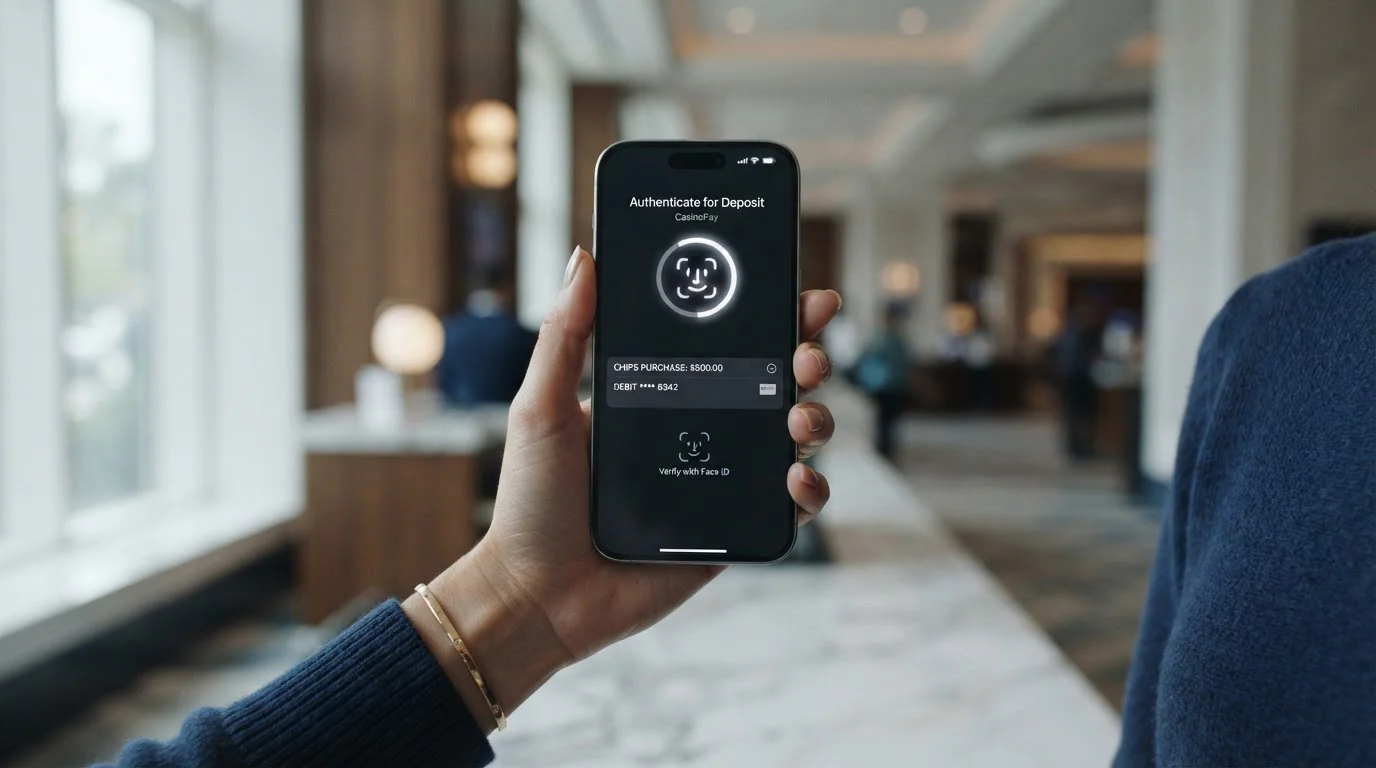
AstroPay Casinos in the UK: What the Rankings Don’t Tell You
 Available in GB

Type "casinos that accept AstroPay UK" into a search bar and you get a wall of confident lists. Ten sites, a comparison table, a green tick next to every logo. What almost none of them say out loud is the one thing that changes your next move: the casinos on those lists are not licensed in Britain. Not one of them. The wallet itself is fine — it is the company you keep when you spend it at a casino that should give you pause.
So this page does the job the rankings skip. It tells you whether AstroPay is even still alive in the UK (it is), which casinos actually take it (offshore ones), why the UK-licensed sites you have heard of don’t (they never added it), and which payment methods at a properly licensed cashier do the same job AstroPay did. No logo wall. No pretending an offshore Curaçao site is a normal British option because a table cell says so.
Table of Contents
- The short answer, before the marketing gets to you
- Is AstroPay even still working in the UK? What actually happened
- Which casinos actually accept AstroPay — and the licence you won’t find
- The GamStop problem hiding inside every "AstroPay casino" list
- What AstroPay actually is — wallet, card, voucher, Go and Direct
- The payment methods that do AstroPay’s job at a licensed casino
- Bonuses, games and mobile: what your deposit method changes, and what it doesn’t
- How to move off AstroPay without losing your footing
The short answer, before the marketing gets to you
Yes, you can find casinos that take AstroPay from a UK player in 2026. No, none of them hold a UK Gambling Commission licence. Every site accepting AstroPay deposits from Britain is offshore — Curaçao, Anjouan, or somewhere with a similarly relaxed postcode — which means it sits outside GamStop and outside the consumer protection you assume you have. That is the whole story in three sentences.
The AstroPay brand and the AstroPay-casino ecosystem are two different animals, and conflating them is exactly the mistake the rankings want you to make. AstroPay the wallet is a live, regulated e-money product in the UK. AstroPay as a casino deposit method is a signal — a fairly reliable one — that the site you are looking at chose not to bother with a British licence. Both things are true at the same time. Holding them together in your head is the difference between an informed decision and a logo you clicked because it was near the top.
If you used AstroPay before and just want to keep playing, the useful question is not "where does AstroPay still work" but "what do I actually want the payment method to do for me." Prepaid control so you cannot overspend? A method that pays winnings back out, not just in? Something fast on your phone? Each of those has a clean answer at a UKGC-licensed casino, and none of those answers is AstroPay. We will get to the specific methods further down, with the catches spelled out, because some of the obvious replacements quietly cost you your welcome offer.
The rest of this guide is the detail behind those three sentences: the wallet’s real status, the offshore reality, the GamStop trap that the "not on GamStop" crowd sells as a feature, and the migration that actually keeps you on solid ground.
Can I still use AstroPay in the UK in 2026?
Yes. AstroPay’s UK operator, Larstal Limited, is an FCA-authorised electronic money institution and reopened to new UK users in July 2025 after an earlier restriction was lifted. The wallet works for its normal purposes. What has not changed is that no UK-licensed casino accepts it, so its gambling use stays offshore-only.

Is AstroPay even still working in the UK? What actually happened
Here the record matters, because a lot of pages get it backwards in both directions — some insist AstroPay vanished, others wave it through as if nothing ever happened. Neither is right. AstroPay’s UK arm is Larstal Limited, registered with the Financial Conduct Authority as an authorised electronic money institution under firm reference number 901001. That status is checkable on the FCA’s own register; it is not a marketing claim.
In April 2024 the FCA put restrictions on Larstal through a voluntary undertaking, with a heavy emphasis on protecting customer funds. In plain terms, the firm agreed to stop onboarding new UK customers and accepting new money while the regulator’s concerns were worked through. That is the episode that spawned the "AstroPay is dead in Britain" narrative — and at that moment, for new sign-ups, it was largely accurate. Payments firms of AstroPay’s size get this treatment periodically; the FCA has been tightening the screws across the e-money sector for a while, and Larstal was one name among several.
Then it reversed. In July 2025 Larstal entered an updated voluntary undertaking that replaced the April 2024 one and allowed it to resume onboarding UK customers. AstroPay announced the change itself, in as many words: "We are pleased to announce that AstroPay UK is now open to new users." Through 2026 the wallet stayed active — the company kept shipping partnership and product news into the spring, and the UK remained a supported country on its app listings. So the honest status is not "gone" and not "untouched." It is "restricted, then reinstated, and currently operating."
Why did the restriction land in the first place? The FCA’s stated concern was consumer-fund protection — the rules on how an e-money firm ring-fences customer money so that, if the business fails, your balance is not swallowed by its creditors. Larstal is owned by the same family behind one of Uruguay’s first billion-dollar fortunes, and the firm processes serious daily volume, which is exactly the profile the regulator has been circling as it leans harder on the payments sector. The undertaking route — a firm "voluntarily" agreeing to limits rather than being formally sanctioned — is the FCA’s preferred tool here: quicker than enforcement, and reversible if the firm fixes what prompted it. Which is precisely what happened. The 2025 reopening was not a loophole; it was the mechanism working as designed, with the firm satisfying the conditions and the leash lengthening again.
There is one persistent piece of misinformation worth killing directly, because it has been dressed up as fact on more than one page: the claim that AstroPay set a hard UK account-closure date and a monthly idleness fee on leftover balances. That traces to a generic help-centre article titled "What happens if AstroPay closes operations in my country?" — a country-agnostic template describing what the firm does whenever it exits any market: it emails you, gives you a window to withdraw, then shuts the service. It is a process description, not a UK notice. Applying it to Britain as if a deadline had been announced is the kind of detail that sounds authoritative and is simply wrong. As of 2026 there is no announced UK exit.
None of which drags AstroPay into the UK-licensed casino world, and that is the trap. A wallet being legal and available is not the same as a casino being legal and available. You can hold a perfectly good AstroPay balance and still have nowhere licensed in Britain to spend it on slots. The wallet’s health is a payments story. Where you can gamble with it is a licensing story. They do not move together, and the rankings blur the line precisely because the blur is what keeps you clicking.
Is AstroPay legal to use at online casinos in the UK?
Using the AstroPay wallet is legal — it is FCA-authorised. The grey area is the casino. Sites accepting AstroPay from UK players are not UKGC-licensed, and playing at an unlicensed operator strips you of the Gambling Commission’s protections. Nothing about the payment is illegal for you; the risk lives entirely on the operator’s side.

Which casinos actually accept AstroPay — and the licence you won’t find
Time for the answer the head query is really asking. Which sites take AstroPay from a UK player? Offshore ones. That is not a dodge; it is the finding. Check the payment pages of the big UK-licensed brands — the household names, the ones advertised during football — and you get debit cards, PayPal, Skrill, Neteller, Apple Pay, paysafecard, Trustly, Boku. Scroll all you like. AstroPay is not there, because it was never onboarded to the UKGC-licensed estate in the first place. There is no secret licensed site keeping it alive. The set of "UK-licensed casinos that accept AstroPay" is empty, and it has been empty the whole time the affiliate lists were telling you otherwise.
So what are the ten logos on those lists? Offshore operators, overwhelmingly licensed in Curaçao, some in Anjouan or comparable jurisdictions, all of them courting British players without a UK licence. The more honest pages in the rankings now admit this in passing — you will find lines conceding that the accepting brands are "Curaçao-licensed operators that accept UK players despite not holding a UKGC licence," or that "no UKGC-licensed operator actively promotes AstroPay deposits for UK customers." They bury it under the table rather than lead with it, but it is there. The dishonest pages just present the offshore names in the same clean format they would use for Bet365, and let you assume the rest.
This is where "AstroPay casino UK" stops being a payment question and becomes a licensing question. The search term itself is a filter. Because AstroPay lives only on offshore cashiers, searching for a casino that accepts it is, functionally, searching for an offshore casino — whether or not you meant to. You typed a payment method; the market handed you a jurisdiction. That is the mechanism nobody in the rankings explains, and it is the single most useful thing to understand before you deposit a penny.
What do you lose by crossing that line? Concretely: the Gambling Commission’s complaints and dispute route, mandatory participation in GamStop, the UK rules on how your funds are held and disclosed, advertising and fairness standards, and any realistic recourse if the site decides your winnings are "suspicious" and freezes them. A UK licence is not a quality medal — plenty of licensed sites are irritating to deal with — but it is a floor. Offshore, there is no floor. Your dispute is a support ticket into a jurisdiction whose regulator has no reason to take your call.
The table below lays the split out plainly. It is not a ranking of AstroPay casinos, because ranking sites this page will not recommend would be its own kind of dishonesty. It is a map of what each route actually is.
| Option | Licence & regulator | On GamStop? | What it means for you |
|---|---|---|---|
| AstroPay the wallet | Larstal Limited, FCA e-money (FRN 901001) | N/A (payment firm) | Legal, live, usable in the UK — for ordinary payments |
| “AstroPay casinos” in the rankings | Offshore (Curaçao / Anjouan, typically) | No | Accepts AstroPay, but no UK protection, no self-exclusion, disputes on their terms |
| UK-licensed casinos | UK Gambling Commission | Yes (mandatory) | Full UK protection — but they do not accept AstroPay; use a licensed method instead |
| “Not on GamStop + AstroPay” sites | Offshore | No (that’s the selling point) | Marketed to self-excluded players; the highest-risk corner of the lot |
Read down the "On GamStop?" column and the decision makes itself. Every route that takes AstroPay is a route that sits outside the scheme designed to protect you. That is not a coincidence you can shop around. It is the structure of the thing.
You do not have to take anyone’s word on whether a site is licensed, including this page’s. The Gambling Commission keeps a public register you can search by operator or brand name; if a casino serving British players is genuinely UK-licensed, it appears there with a live licence and the trading names attached to it. Type the brand from an "AstroPay casino" list into that register and, in almost every case, you get nothing back — which is the answer. Licensed sites also carry their operating-licence details and the Commission’s account number in the site footer, because they are required to. An offshore site will show you a Curaçao seal or a licence number that resolves to a master-licence holder with no UK standing. Two minutes of checking beats two months of chasing a frozen withdrawal through an inbox that has stopped replying.
Which UK casinos accept AstroPay deposits?
None that hold a UK Gambling Commission licence. The major UK cashiers list debit cards, PayPal, Skrill, Neteller, Apple Pay, paysafecard, Trustly and Boku, but not AstroPay. Every casino accepting AstroPay from UK players is an offshore operator without a UK licence, so it falls outside GamStop and UK dispute protection.

The GamStop problem hiding inside every "AstroPay casino" list
A large share of the searches around this topic are not really about AstroPay at all. They are about GamStop — "casinos not on gamstop that accept astropay," "astropay casinos no gamstop," and a couple of dozen variants. The phrasing changes; the ask does not. And it is worth being blunt about what that ask is, because the marketing works hard to make it sound like a perk.
GamStop is the UK’s national online self-exclusion scheme. You register once, for free, and every UK Gambling Commission-licensed gambling site is legally required to block you for the period you choose — six months, a year, five years — usually inside 24 hours. It is confidential and it is comprehensive across the licensed market. People sign up to it for one reason: they have decided, in a clearer moment, that they need the option taken away. That is the entire point of it.
An offshore casino is outside GamStop by definition, because GamStop only binds UK licensees. So when a site advertises itself as "not on GamStop" and takes AstroPay, it is advertising, in plain terms, that a self-excluded person can still open an account and deposit. Sold as freedom, it is the exact opposite: it is a way to walk back the one protection you deliberately set up. The overlap between "AstroPay casino" and "non-GamStop casino" is not accidental — they are largely the same offshore sites wearing two different search-friendly labels.
If you registered with GamStop and you are now hunting for a way around it through AstroPay, the honest response is not a list of sites. It is to sit with why you excluded yourself in the first place, and to know that GamStop can be reached alongside the National Gambling Helpline on 0808 8020 133 if you want to talk it through. A payment method is not a workaround for a decision you made to protect yourself. No table on any affiliate page is worth more than that.
For everyone else — not self-excluded, just curious why these sites keep appearing — the takeaway is simpler. "Not on GamStop" is not a feature that gets you better games or bigger wins. It is a description of a site that does not answer to the UK regulator, on any front, including the one that would help you if things went wrong. The AstroPay badge and the "no GamStop" badge point at the same door.
Are AstroPay casinos not on GamStop safe?
They are the riskiest option on the board. Non-GamStop sites are offshore and unlicensed in the UK, so they sit outside self-exclusion, UK fund-protection rules and the Gambling Commission’s dispute process. They are marketed heavily to self-excluded players, which is precisely who should avoid them. Safety here means a UK licence, which these sites lack.
What AstroPay actually is — wallet, card, voucher, Go and Direct
To pick a sensible replacement, it helps to know what AstroPay was doing for you in the first place, because the name covers several products and they behaved differently at a cashier. Strip the branding away and AstroPay is a prepaid virtual payment tool. You load a balance in one of several currencies, and you spend from that balance rather than exposing your bank card to the site. That single property — a buffer between your real money and the casino — is the whole appeal, and it is what any replacement has to reproduce.
The wallet is the core: a stored balance in the app, funded by card or transfer, spent at merchants that accept it. On top of that sit the sub-products. The AstroPay Card is a virtual card number generated against your balance, so a site that takes cards but not the wallet directly can still be paid. The AstroPay Voucher is a prepaid code you buy and redeem, the closest thing to handing over cash without a bank in the loop. "Go" and "Direct" are branded flavours of the same idea — faster checkout, direct funding — rather than separate financial instruments. For a player, the practical distinctions collapse into one: some of these could push money into an offshore cashier, and effectively none of them were a reliable way to pull winnings back out.
That last part is not a quirk; it is the shape of the product. Prepaid tools are built to send money forward, not to receive it. At the offshore casinos that took AstroPay, deposits were the easy direction and withdrawals were the awkward one — frequently unsupported, routed to a different method, or slow enough that players gave up and asked for a bank transfer instead. So if your mental model of AstroPay was "money goes in, money comes out the same way," it was never really that. It was a deposit rail with a wallet attached.
This deposit-first character is also why the "AstroPay cashout" and "withdrawal to AstroPay" searches lead nowhere satisfying. A player who deposited by AstroPay and then won typically found the winnings could not travel back the same way, so the site paid out by bank transfer or card instead — which rather defeated the point of keeping the bank out of it. The privacy you bought on the way in evaporated on the way out. That mismatch, more than any fee, is the practical reason AstroPay never felt like a complete casino wallet the way PayPal or Skrill does.
Two footnotes clear up recurring confusion. First, the "AstroPay credit card" searches: funding gambling with a credit card has been banned for UK-licensed operators since April 2020, so any credit-backed casino deposit is a non-starter at a licensed site regardless of the wallet involved. Second, the fee and limit questions: on the wallet side, currency conversion and transaction fees vary by region and product, and minimums are set by whatever cashier you are standing at — at offshore sites they range widely, which is one more thing you cannot pin down in advance the way you can at a regulated UK operator. Specifics that a licensed cashier would publish, an offshore one often will not.
Can I withdraw casino winnings to AstroPay?
In practice, rarely. AstroPay is a prepaid tool built to send money forward, so casino payouts to it were patchy even at the offshore sites that accepted deposits — often unsupported, redirected to another method, or slow. It was effectively a deposit rail. If reliable withdrawals matter to you, an e-wallet like PayPal, Skrill or Neteller is the better fit.
The payment methods that do AstroPay’s job at a licensed casino
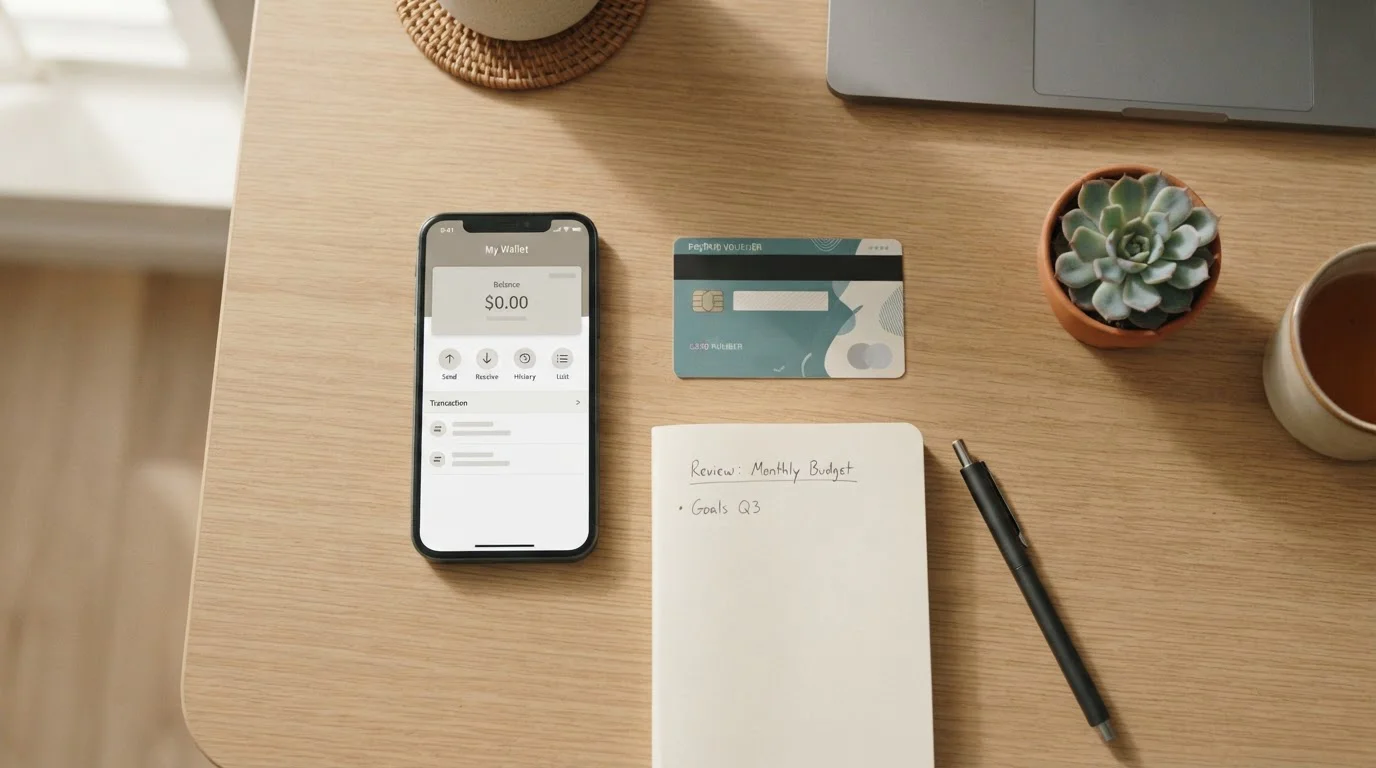
Here is where the guide turns useful, because this is the decision you actually have. You are not choosing between AstroPay casinos; there are none worth choosing at a UK-licensed site. You are choosing which licensed-cashier method reproduces the part of AstroPay you valued. Prepaid control so you cannot spend past a set amount? A method that also pays winnings out? The fastest possible tap-and-go on a phone? Different methods win on different fronts, and a couple of the obvious ones carry a catch that costs you money if nobody warns you.
That catch, up front, so it colours everything below: at roughly nine in ten UK-licensed casinos, depositing with Skrill or Neteller disqualifies you from the welcome offer. It is an almost industry-wide policy, and it is the single most common way a former e-wallet user loses value without noticing. Keep it in mind as you read the two most tempting names on the list.
The table maps the field. Then each method that genuinely stands in for AstroPay gets its own breakdown, because a row in a table is not enough to choose on.
| Method | Type | Deposit min & speed | Withdrawals | Welcome-bonus eligible? | Fees to watch |
|---|---|---|---|---|---|
| paysafecard | Prepaid voucher | ~£10, instant | Rarely (deposit-only at most sites) | Usually yes | Voucher caps; none to deposit |
| Jeton | Wallet + voucher | Low, instant | Limited | Usually yes | Minimal at deposit |
| Skrill | E-wallet | Low, instant | Yes | No, at ~90% of UK sites | ~3.99% currency conversion |
| Neteller | E-wallet | Low, instant | Yes | No, at ~90% of UK sites | ~3.99% currency conversion |
| PayPal | E-wallet | Low, instant | Yes, fast | Usually yes | Low; among the cheapest |
| Apple Pay | Mobile wallet | Low, instant | Back to card where supported | Usually yes | None added; debit-backed only |
| Trustly / open banking | Bank-to-bank | Low, instant | Yes | Usually yes | None; no wallet buffer |
| Boku | Pay by mobile | Low, instant | No | Often yes | Added to phone bill; deposit-only |
The last two rows are there for completeness rather than as like-for-like AstroPay swaps — neither is a prepaid wallet, so neither gives you that buffer between your bank and the site. If what you liked about AstroPay was the prepaid firewall, your eyes belong on the top of the table. Trustly and its open-banking cousins move money straight from your bank to the casino and back, fast and fee-free, but there is no stored balance sitting between the two — your account is the balance. Boku puts the deposit on your mobile phone bill, which is genuinely handy for small, capped amounts, but it is strictly one-way: you cannot be paid winnings to a phone bill, so it is a deposit convenience, not a payout method. Both are fine tools; neither scratches the specific itch AstroPay did.
paysafecard
If you want the closest thing to AstroPay’s prepaid firewall, this is it. paysafecard is owned by Paysafe Group and works exactly the way the AstroPay Voucher did: you buy a voucher — in cash at a corner shop or online — get a 16-digit PIN, and type that PIN into the casino cashier. Your bank card and bank details never touch the site. The money you can lose is capped at the value of the voucher in your hand, which is the entire appeal for anyone using prepaid as a self-imposed spending limit rather than a convenience.
The trade-offs are the same ones AstroPay carried, so they will feel familiar. Minimum deposits sit around £10 at most UK casinos, deposits are instant, and it is deposit-only at the majority of sites — winnings come back through a different route unless the operator supports the myPaysafecard account, which raises limits and adds a payout path once you verify. Unlike Skrill and Neteller, paysafecard usually keeps you eligible for the welcome offer, which quietly makes it the better-value prepaid choice for a new sign-up. It is widely accepted across the UKGC-licensed estate — established comparison publishers list names like Bet365, Unibet and 10Bet among the sites taking it — so you are spoilt for licensed venues, which is precisely what you could not say about AstroPay.
Jeton
Jeton is the nearest structural twin to AstroPay still gaining ground at UK-licensed cashiers, because it is the same hybrid shape: a wallet plus a voucher. Jeton Wallet is a reusable stored balance you fund and spend from; Jeton Cash is a prepaid code you buy and redeem, mirroring the AstroPay Voucher experience almost beat for beat. If what you actually miss about AstroPay is that specific combination — a balance to hold and a code to top up with, no bank card shown to the operator — Jeton is the option that recreates it rather than approximating it.
Acceptance is narrower than the Paysafe-owned methods, but it is growing, and it lives inside the UKGC-licensed world rather than the offshore one, which is the whole point of the swap. Expect low minimums and instant deposits; treat it as deposit-first, with withdrawal support thinner than a full e-wallet like Skrill. The voucher side carries the usual prepaid caps. For a former AstroPay user who liked the product’s exact anatomy and is willing to trade a shorter list of casinos for a licensed one, Jeton is the honest recommendation — you keep the shape and gain the regulator.
Skrill
Skrill is where most e-wallet users end up, and it earns the place: it is owned by Paysafe Group, a payments company listed on the London market and registered in the Isle of Man, and it is one of the two most widely accepted e-wallets at UK-licensed casinos. You fund a Skrill balance by debit card, bank transfer or open banking, then push it to a casino in seconds. Crucially — and this is the thing AstroPay never really did — it works in both directions. Winnings can come back to your Skrill balance, so it is a genuine payout rail, not just a deposit chute.
Now the catch, because it is the one that stings. At around 90% of UK-licensed casinos, depositing with Skrill makes you ineligible for the welcome offer. This is a near-universal industry policy, not a quirk of one site, and it exists because e-wallets made bonus abuse too easy. So the "gift" the casino dangles on the homepage evaporates the moment you fund with Skrill — and a casino is not a charity that will remind you before you deposit. There is also a currency-conversion fee of roughly 3.99% if you transact in a currency other than your account’s, which nibbles at every cross-currency move. For a UK player using it in sterling at sterling sites, that fee is avoidable; the bonus exclusion mostly is not. Skrill is the right pick when you want speed, two-way movement and the widest acceptance, and you either do not care about the welcome offer or are happy to forgo it.
Neteller
Neteller is Skrill’s sibling — same parent in Paysafe Group, near-identical plumbing, and the two are so alike that casinos almost always treat them as a matched pair in their terms. Deposits are instant, withdrawals are supported, and it does the two-way job that makes an e-wallet worth holding. If Skrill is unavailable at a given site, Neteller is usually the fallback that behaves the same way, which is convenient in a boring, reliable manner.
The trade-offs are copied across too, so do not expect Neteller to dodge them. The same roughly 90% welcome-bonus exclusion applies — funding with Neteller disqualifies you from the offer at the overwhelming majority of UK casinos, exactly as Skrill does. The same currency-conversion consideration around 3.99% applies on non-account-currency transactions. Where the two diverge is at the margins: loyalty and VIP tiers, and which merchants outside gambling accept one over the other. For a former AstroPay user, Neteller’s real selling point is the one AstroPay lacked — it pays out — so if reliable withdrawals were your frustration, this is a fix. Just go in knowing the bonus is the price of admission.
PayPal
For a lot of players, PayPal is simply the safest default, and the reasoning is sound. It is the acceptance and payout benchmark at UK-licensed casinos, it moves money both ways quickly, and — unlike the Paysafe pair — it usually keeps you eligible for the welcome offer. Its fees are among the cheapest of any e-wallet, and it brings a level of account and buyer protection the others do not match. If you want one method that does everything competently and springs no nasty surprises at bonus time, this is the one.
There is a quieter virtue worth flagging, and it ties straight back to this page’s theme. PayPal restricts its gambling merchants to licensed operators, so it simply will not process payments for the offshore sites that took AstroPay. That makes its presence in a cashier a reliable licensing signal in its own right: if a casino offers PayPal, it has cleared a bar that the AstroPay crowd never bothered with. You cannot use PayPal to stumble into an unlicensed site, because PayPal will not go there. For a reader trying to migrate off AstroPay and stay on solid ground without becoming a licensing expert, that is close to a shortcut — pick PayPal and the offshore problem largely solves itself.
Apple Pay
If AstroPay lived on your phone and you want the fastest possible replacement, Apple Pay is it. It is a mobile wallet on iPhone and Apple devices, backed by a card you have already added, using biometric confirmation — a glance or a fingerprint — to authorise a deposit. The card number is tokenised, meaning the casino never sees your actual card details, which recreates the privacy layer that made AstroPay comfortable, minus the separate balance to top up. Deposits are instant, and checkout is faster than typing card details by a distance.
Two things to hold. Because UK-licensed operators cannot accept credit cards for gambling, the card behind your Apple Pay must be a debit card — the credit-card ban follows the money regardless of the wrapper it travels in. And Apple Pay is deposit-first: withdrawals route back to the underlying card where the casino supports it, rather than to the wallet itself. It is not a stored-value buffer the way AstroPay’s balance was, so if hard prepaid control was your reason for using AstroPay, paysafecard fits better. But for the mobile-first player who valued speed and not showing card numbers around, and who usually keeps bonus eligibility on top, Apple Pay is the cleanest one-tap answer at a licensed site.
What is the closest alternative to AstroPay at a UK-licensed casino?
For prepaid control, paysafecard — a cash-buyable voucher, no bank details shown, spending capped by design. For the wallet-plus-voucher shape, Jeton. If you want reliable withdrawals AstroPay never offered, PayPal is the safest all-rounder and usually keeps your bonus, while Skrill and Neteller pay out but forfeit the welcome offer.
Bonuses, games and mobile: what your deposit method changes, and what it doesn’t
A lot of the searches around this topic bolt AstroPay onto something else — AstroPay slots, AstroPay live casino, AstroPay bonuses, AstroPay mobile, AstroPay bingo. It is worth saying clearly that most of these combinations are searching for a link that does not exist. Your deposit method has no bearing on the game library. The slots, the live tables, the roulette, the blackjack, the bingo rooms — those come from the game studios the casino has signed, and the studio does not know or care how you funded your balance. A site with a thin catalogue does not get a better one because you paid with a prepaid voucher, and a site with a strong one does not lock it behind a particular wallet. "AstroPay slots" is not a category of game. It is two unrelated search terms stapled together.
There is exactly one place the deposit method does bite, and it is the one worth knowing: bonus eligibility. As covered above, e-wallets — Skrill and Neteller especially — are excluded from welcome offers at most UK casinos, so the method you choose can decide whether the "free" spins on the homepage are yours or a mirage. That is real, and it is money. Whereas the notion that a payment method unlocks better free spins, higher no-deposit bonuses or exclusive rooms is the reverse of the truth: the method can cost you a bonus, it never grants you a bigger one. Any page promising "AstroPay no-deposit bonuses" as a distinct perk is selling you a coincidence. The same goes for "no-wagering" and "no-verification" framings that cling to these searches: wagering requirements are set by the bonus terms, not the payment rail, and identity verification is mandatory at every UK-licensed site regardless of how you fund the account. A method that skips the checks is not a smarter payment — it is a site that skipped the licence.
The rest of the modifiers fall away just as quickly once you look. Mobile and apps: nothing about a wallet’s app changes how a casino runs on your phone — the licensed cashiers all support mobile, and Apple Pay is the fastest way in for iPhone users, wallet or no wallet. New casinos: a site launched last month cannot conjure a payment rail its licence class never carried, so "new AstroPay casinos UK" is either an offshore newcomer or wishful thinking. Real-money framing: every deposit method here funds real-money play at a licensed site; "real money AstroPay slots" adds nothing to the picture. And the crypto crossover — the "bitcoin casinos that accept AstroPay" searches — is a different market entirely, offshore by nature, with its own rails; the overlap with a UK-licensed, GamStop-covered casino is essentially nil.
Strip all of it back and you are left with the only two facts that survive contact with reality: the game you play is independent of how you paid, and the bonus you claim is not. Everything else in that pile of modifiers is noise the rankings amplify because more phrasings mean more pages.
Does depositing with an e-wallet affect my casino bonus?
Often, yes. At roughly 90% of UK-licensed casinos, funding with Skrill or Neteller disqualifies you from the welcome offer — a near-universal policy to curb bonus abuse. PayPal, paysafecard and Apple Pay usually keep you eligible. Always check the deposit method terms before your first payment, because the exclusion is rarely flagged at checkout.

How to move off AstroPay without losing your footing
If you have read this far, the plan almost writes itself, but it is worth setting out as a sequence rather than a vibe, because the order matters. Start with the wallet, not the casino. If you hold an AstroPay balance, it is not in danger — there is no UK deadline, no fee clock ticking — so you can move at your own pace. Should you ever choose to close the account, AstroPay’s own process lets you withdraw the balance first; there is no rush created by anything the company has announced for Britain.
Then choose by use-case, not by logo. Decide which single thing you actually wanted from AstroPay and pick the method that matches it. Prepaid firewall so you cannot overspend: paysafecard, or Jeton if you want the wallet-and-voucher combination. Reliable payouts, which AstroPay never gave you: PayPal for the cleanest all-round experience and kept bonus eligibility, or Skrill and Neteller if you accept the welcome-offer trade. Fastest mobile checkout: Apple Pay with a debit card behind it. One decision, one method, and you are done — no need to spread across four wallets the way the comparison pages imply.
The two guardrails that keep the whole thing honest: confirm the casino holds a UK Gambling Commission licence, and confirm it participates in GamStop. Both are non-negotiable, and both are the exact things every AstroPay-accepting site fails. A quick way to shortcut the check — if a cashier offers PayPal, it has almost certainly cleared the licensing bar, because PayPal declines to process for unlicensed gambling operators. It is not a guarantee, but it is a strong tell, and it saves you reading the small print on a licence you cannot easily verify yourself.
What you are really doing here is refusing a false trade. The rankings offer you AstroPay plus an offshore casino as if the wallet were the prize and the jurisdiction a technicality. It is the other way round. The wallet was only ever a convenient buffer, and every one of its conveniences — prepaid control, no bank details shown, instant deposits, phone-first speed — is available at a UK-licensed casino through a method that also keeps the Gambling Commission and GamStop on your side. You lose nothing that mattered and you keep the floor beneath you. That is not a compromise. It is the version of the deal where you are not the one holding the risk.
Created by the ”Payments-casino-uk” editorial team.