No-Registration Casinos in Britain — The Honest Reframe for 2026
 Available in GB

You typed "online casino no registration" into search, and you deserve a straight answer rather than a landing page that pretends to grant your wish. Here it is: at any casino holding a UK Gambling Commission licence, there is no such thing as playing with no registration. None. Not a loophole, not a workaround, not a "new 2026 site" that slipped through. British law puts identity and age checks ahead of your first spin, and that order cannot be rearranged by any operator that wants to keep its licence.
That is the uncomfortable half of the answer. The useful half is why you searched in the first place, and what actually solves the problem behind the phrase. Almost nobody wants to gamble while genuinely anonymous. What people want is to skip the tedious part — the ten-field form, the email confirmation loop, the photo of a passport held next to your face, the three-day wait before a withdrawal clears. That friction is real, and the industry has a real answer to it. It is not "no registration." It is fast registration: pay-by-bank sign-up over Open Banking, where your bank confirms who you are in the background and your details fill themselves in while you authenticate with Face ID.
So this guide does two jobs. First, it explains plainly why a no-registration or "no account" casino is a non-starter in Great Britain, where the demand came from, and why the sites that do promise it to UK players are offshore operations you should treat as a warning sign, not a shortcut. Second, it maps the genuinely quick licensed route: which UKGC operators have built the fastest sign-up flows, what pay-by-bank actually does to your account, how the verification works when it goes smoothly, and what you trade away if you chase the offshore promise instead. No fairy tale, no "instant anonymous play" nonsense — just what works and what doesn’t.
Table of Contents
- Can You Play at a UK Casino With No Registration? The Short Answer
- Why "No Registration Casino" Is a Search That Won’t Resolve in Britain
- Where the "No Account Casino" Idea Actually Comes From
- What Pay N Play Really Does to Your Account
- The Fast Sign-Up Alternative: Pay by Bank at UK Casinos
- UK Casinos With the Fastest Pay-by-Bank Sign-Up (2026)
- How the Verification Actually Works, and Why It’s Quick Now
- The Offshore "No Verification" Trap
- No Registration vs Fast Registration: What You Actually Gain
- Deposits, Withdrawals and Limits on Pay-by-Bank Flows
- Responsible Gambling When Sign-Up Is This Fast
- How We Assessed These Sign-Up Flows
Can You Play at a UK Casino With No Registration? The Short Answer
No. Every operator licensed by the UK Gambling Commission must know who you are before you deposit a penny or spin a single reel. This is not an operator preference or a cautious house rule — it is a licence condition written into the Commission’s rulebook, and breaching it costs operators millions in penalties. A casino that let you play without an account would be gambling with its own survival, which is a bet no serious British brand takes.
The confusion is understandable. Abroad, "no account casinos" are a recognised product category, heavily marketed across the Nordic countries, and the branding bled into English-language searches. People assume that if Finland has them, Britain must too, perhaps under a different name. It doesn’t. The Gambling Commission rebuilt its verification rules in 2019 precisely to close the gap that a no-account model would need. Age verification has to be completed before a customer can deposit or gamble, and identity verification — name, address, date of birth — has to be done before gambling begins, not after a withdrawal is requested. A model that defers all of that to the payout stage is structurally illegal here.
What you can get is the feeling of no registration: a sign-up that takes under two minutes because your bank does the heavy lifting. That is the honest substitute, and it is genuinely good. But the account exists. You have a username, a verified identity on file, and a set of responsible-gambling tools attached to your name whether you look at them or not. The reel spins the same either way; only the paperwork shrinks.
Can I play at a UK online casino without registering?
Not at a licensed one. Every UK Gambling Commission operator must verify your age and identity before you deposit or gamble, so an account is unavoidable. The fastest realistic option is pay-by-bank sign-up, where your bank confirms your details in seconds and the registration form becomes a formality rather than a chore.
Why "No Registration Casino" Is a Search That Won’t Resolve in Britain
The reason sits in a single, deliberate piece of regulation. In May 2019 the Gambling Commission brought in tightened customer verification rules that reordered the entire sign-up sequence. Before that date, some operators let players deposit and even play first, then verified identity only when money was heading back out. That delay created a soft window where under-18s slipped through and self-excluded players kept gambling. The Commission closed it.
Under the current rules, a licensed operator must verify a customer’s age before allowing any deposit and before allowing any gambling, and must verify the customer’s name, address and date of birth as a minimum before gambling takes place. The verification has to happen on the information the customer provides at the point of registration. In plain terms: the casino is legally barred from letting you stake money until it knows you are old enough and who you say you are. A "no registration" product would have to skip exactly the step the law makes mandatory. There is no version of that which keeps a UKGC licence.
This is where the Nordic model and the British model split. In jurisdictions that lean on a national bank-identity system, the "account" can be assembled silently from verified banking data, so the player never fills a form and the experience feels account-free. Britain has no equivalent mandatory bank-identity scheme wired into gambling law, and the Commission’s rules demand the operator take active responsibility for verification rather than inheriting it from a bank. So even the closest British approximation — pay-by-bank onboarding — still produces a real, named, verified account. The form shrinks; it never vanishes.
There is a second layer most pages skip. GAMSTOP, the national self-exclusion scheme, has been a condition of every remote UKGC licence since 2020. A casino can only check you against GAMSTOP if it knows who you are. A true no-registration casino would have no way to honour a self-exclusion, which is the whole point of GAMSTOP and another reason the model is a legal impossibility here. When you see a site advertising "no registration, not on GAMSTOP," those two claims travel together for a reason — and that reason is that the site answers to no British regulator at all.

Are no-registration casinos legal in the UK?
No licensed operator can offer genuine no-registration play, because Gambling Commission rules require age and identity verification before gambling starts. Sites marketing "no registration" to British players are unlicensed and operate offshore. Using them is not a criminal act for the player, but it strips away every legal protection a UKGC licence provides.
Where the "No Account Casino" Idea Actually Comes From
The phrase has a specific birthplace, and it isn’t a scam. In 2015 the Swedish payments company Trustly launched a product called Pay N Play, built on a simple observation: in Sweden and Finland, almost everyone already has a strong digital bank identity. If the casino can read verified identity data straight from the bank during a deposit, why make the customer fill in a registration form at all? The bank already knows the name, the address, the date of birth and that the account holder is real. Pay N Play let the operator borrow that certainty and spin up the player account automatically.
The result felt revolutionary. A Finnish player could land on a casino site, choose a deposit amount, log into their own banking app, authenticate, and be playing within a minute — no username chosen, no password set, no email verification. Withdrawals ran back down the same pipe, often within the hour, because the bank identity was already trusted. Marketing teams called it "no account casino" and "pay and play," and the category exploded across the Nordic market. That branding is what eventually surfaced in UK searches, carried by affiliate pages that either didn’t understand or didn’t care about the regulatory difference across the North Sea.

Here is the detail the breathless write-ups gloss over: even in Sweden and Finland, an account is created. Pay N Play doesn’t abolish the account — it assembles one invisibly from bank data. The player experience is account-free; the back end is not. That distinction matters enormously when the model crosses into Britain, because the British regulator insists the operator actively verify rather than passively inherit, and insists the customer be checked against GAMSTOP, and insists on affordability and source-of-funds monitoring that a silent bank handshake alone doesn’t satisfy. The Nordic "no account" experience depends on a national identity backbone and a regulator comfortable with that arrangement. Strip those out, and what you have left is ordinary registration with a faster front door.
What does "no account casino" actually mean?
It is a Nordic marketing term for Pay N Play, a model Trustly launched in 2015. The casino reads verified identity from your bank during a deposit and builds your account silently, so you skip the form. An account still exists behind the scenes — the label describes the experience, not an absence of registration.
What Pay N Play Really Does to Your Account
Picture the mechanics rather than the slogan. When a Nordic player uses Pay N Play, the deposit and the registration are fused into one action. The bank login both moves the money and hands over the identity package the operator needs. The casino creates an account keyed to that bank identity, credits the deposit, and opens the lobby. If the player comes back a week later from the same bank, the system recognises them and reopens the same account. Nothing was ever truly accountless; the account was just born during a payment instead of during a form.
Transplant that to a UK-licensed operator and two things have to change, both non-negotiable. First, the operator has to run its own verification to the Commission’s standard, including the GAMSTOP cross-check, before play — it cannot treat the bank’s say-so as sufficient on its own. Second, the operator has to keep the account visible and manageable, because players need access to deposit limits, time-outs, transaction history and self-exclusion, all of which are licence requirements. You cannot offer a national self-exclusion scheme on an account the player doesn’t know they have. So the British version keeps the fast bank-driven deposit but bolts the account firmly into view. The form is shorter, sometimes close to invisible, but the account is yours, named and on the record.
This is why "pay by bank" is the honest British cousin of Pay N Play rather than a true import of it. Operators like bet365 and Sky Vegas offer Open Banking deposits where your bank app authorises the payment and much of your detail is confirmed by the bank, trimming the sign-up to a few taps. What they do not do — what they legally cannot do — is skip the account or the verification. When a UK affiliate page calls a licensed brand a "no account casino," it is stretching a Nordic label over a British product that works differently underneath. The speed is real. The anonymity is marketing.
Is Pay N Play legal in the UK?
The underlying technology — Open Banking deposits via providers like Trustly — is perfectly legal and used by licensed UK casinos. What is not legal is the full Nordic "no account" version that skips operator-run verification. In Britain the fast bank deposit is allowed; the account and the identity check behind it remain mandatory.
The Fast Sign-Up Alternative: Pay by Bank at UK Casinos
If the real goal is speed and minimal fuss, pay-by-bank is the destination the search should have led you to. Open Banking is a regulated framework, overseen in the UK under rules the Financial Conduct Authority enforces, that lets a licensed third party move a payment directly from your bank account with your explicit, per-transaction consent. No card number typed, no 16 digits and a CVV, no e-wallet to fund first. You pick the amount, your banking app opens, you approve with your fingerprint or Face ID, and the money lands in the casino balance in seconds.
The sign-up benefit comes from the identity data the bank can confirm during that first payment. Many UK casinos now let a first-time player begin a pay-by-bank deposit and have the bulk of their registration details validated against the bank in one motion, which collapses the form into a short confirmation rather than a ten-minute slog. You still consent, you still get an account, you still see the responsible-gambling panel — but the drudgery that drove you to search for "no registration" in the first place largely disappears. That is the legitimate version of what you wanted.
Pay-by-bank also tends to be the fastest route back out. Because the payment rail connects straight to your bank rather than looping through a card network’s refund process, withdrawals on Open Banking often clear in hours rather than the one-to-three banking days a card return takes. For players chasing the "instant" feeling that the no-account branding promised, the real speed lives here, inside the licensed market, with a regulator standing behind the transaction. The trade — and it is a small one — is that every deposit shows plainly on your bank statement, with no e-wallet acting as a buffer between your account and the casino. For most players that transparency is a feature, not a cost.

How fast is pay-by-bank sign-up at a UK casino?
At the quickest operators, under two minutes from landing page to first spin. Your bank confirms the core of your identity during the opening deposit, so the registration shrinks to a short consent step. First withdrawals can still pause for a document check, but subsequent cashouts over Open Banking frequently clear within hours.
UK Casinos With the Fastest Pay-by-Bank Sign-Up (2026)
The brands below are all UK Gambling Commission licensees that have built genuinely quick onboarding, most of them around Open Banking or pay-by-bank deposits, a few through streamlined form design and electronic verification that rarely asks for documents up front. None of them is a no-registration casino, because no such licensed thing exists. What they offer is the closest honest equivalent: minimal friction, fast money in, and on the better ones, fast money out. The table gives the headline parameters; the breakdowns that follow explain who each one actually suits.
| Operator | Licence | Withdrawal speed | Minimum deposit | Distinguishing feature |
|---|---|---|---|---|
| MrQ | UKGC (Marketplace Technology Ltd) | Pay by bank, often within hours | £10 | Pay-by-bank-first cashier, no wagering on bonuses |
| PlayOJO | UKGC (SkillOnNet Ltd) | Fast bank/e-wallet, within a day | £10 | No wagering on any offer, Open Banking deposits |
| bet365 | UKGC (Hillside, New Media) | Trustly same day; cards instant–3 days | £5 | Trustly plus saved-detail fast repeat deposits |
| Sky Vegas | UKGC (Flutter) | Pay by Bank 1–4 hours | £5 | Instant bank transfer plus wager-free spins |
| Casumo | UKGC (Casumo Services Ltd) | Open Banking within a day | £10 | Trustly onboarding, gamified account |
| LeoVegas | UKGC (MGM-owned) | Trustly/e-wallet, hours | £10 | Mobile-first app, quick verified sign-up |
| Mr Vegas | UKGC (Videoslots Ltd) | Pay by bank within a day | £10 | Large library, Open Banking deposit option |
MrQ
MrQ is the UK brand that leans hardest into the pay-by-bank idea, and it is the closest thing the licensed market has to the "fast, no-fuss" promise behind the no-registration search. Operated by Marketplace Technology Limited under a UKGC remote licence, it built its reputation on bank-transfer deposits and a cashier that treats Open Banking as the default rather than an afterthought. There is no card-juggling theatre: you connect your bank, authenticate, and you are in. For a player who hates typing card numbers, that is the point.
The second reason MrQ fits this page is its bonus policy. It applies no wagering requirements to its offers, which removes the other classic source of friction — the small print that traps winnings behind a playthrough. Deposits start around £10, the slot and bingo libraries are broad, and because the deposit rail is bank-direct, withdrawals tend to return to the same account quickly rather than crawling through a card refund. You still register, you still verify, and a first withdrawal can still trigger a document check. But the day-to-day experience is about as frictionless as a licensed British casino gets, which is exactly what most "no registration" searchers are really chasing.
PlayOJO
PlayOJO, run by SkillOnNet Limited under a UKGC licence, markets itself on a single promise that happens to align perfectly with the reframed version of this topic: nothing is hidden. No wagering requirements on any offer, no maximum-win caps on bonus funds, and a cashier that supports Open Banking and fast bank-linked deposits. The brand’s whole pitch is the removal of the catches players brace for, which is spiritually close to the "I just want to play without the hassle" impulse behind a no-account search.
On sign-up speed, PlayOJO sits in the quick tier rather than the absolute fastest, because it still runs a proper registration and verification flow. What it does well is avoid surprising you later: the money you win from its OJOplus cashback and spins is real, withdrawable cash with no playthrough, and that honesty extends to the payout process. Deposits begin around £10, withdrawals process promptly once you are verified, and the electronic identity check clears most players without a document request. If your frustration with registration is really a frustration with being tricked after you sign up, PlayOJO answers that better than any amount of fake anonymity.
bet365
bet365, operating under the Hillside licences held within the UKGC register, is not a specialist "fast sign-up" brand — it is simply very good at the plumbing, and that makes its onboarding quicker than most. It supports Trustly and pay-by-bank deposits alongside the full card and e-wallet range, and it lets verified players save deposit details so repeat funding is close to instant. The first registration is a conventional form, but bet365’s electronic verification is quick and rarely bounces a genuine UK player into a document queue before they can play.
Where bet365 earns its place here is the withdrawal side, which is the half of "instant" the no-account branding always overpromises. Trustly cashouts frequently land the same day, and for card returns the Visa fast-funds rail can deliver in well under the usual window. The game library is enormous, support is genuinely around the clock, and the account structure spans casino, sports, poker and bingo on one balance. For a player who wants the real-world benefits the no-registration myth promises — speed in, speed out, no nasty surprises — bet365 delivers them inside a fully licensed account rather than pretending the account isn’t there.
Sky Vegas
Sky Vegas, part of the Flutter stable and UKGC-licensed, pairs a fast bank-payment option with one of the cleaner bonus structures in the market. Its Pay by Bank method moves money straight from your bank account, and withdrawals through that rail have been clocked in the one-to-four-hour range, among the brisker payouts a British player will find. Deposits start at £5, which keeps the barrier low for anyone testing the water rather than committing a bankroll.
The brand’s wager-free spins are the other reason it suits the honest version of this search. New players can receive spins whose winnings land as withdrawable cash with no playthrough, so the "I just want to play and keep what I win" instinct is met directly. Registration is a standard short form, verification is electronic for most, and the Sky name carries the kind of consumer trust that offshore no-account sites can only imitate with a stock-photo padlock. Sky Vegas is a strong pick for a player who values quick bank payouts and transparent offers over the fiction of anonymous play.
Casumo
Casumo, operated by Casumo Services Limited under a UKGC licence, was built in the same Nordic design tradition that produced Pay N Play, and it shows in the onboarding. The brand supports Trustly and Open Banking deposits, so a first-time player can fund and begin quickly, and the famously gamified account — levels, missions, progression — makes the registration feel like the start of something rather than a bureaucratic gate. That design heritage is why Casumo often appears in the same conversations as no-account casinos, even though the British version keeps a full, visible account.
Practically, Casumo gives you a broad game library, Open Banking withdrawals that generally clear within a day, and a £10 entry point. Its verification is the standard UKGC flow: electronic checks first, documents only if those can’t confirm you. The gamified layer is a genuine differentiator rather than a gimmick, and for a player who found the no-registration search because conventional casinos felt dull and form-heavy, Casumo’s quick, playful onboarding is a direct answer. The account is real, named and verified — it just doesn’t feel like filling in a tax return.
LeoVegas
LeoVegas earned the "King of Mobile" tag for a reason, and that mobile-first engineering extends to how fast you can get playing. Now owned by MGM and holding a UKGC licence, it supports Trustly and e-wallet rails that let a verified player deposit and cash out within hours rather than days. The app handles the whole loop — sign-up, deposit, play, withdraw — without pushing you to a desktop, which matters to the large share of players who found this topic on a phone in the first place.
The onboarding is a short, well-designed form backed by quick electronic verification, and LeoVegas is known for clearing identity checks faster than the industry average, so most players are not left waiting. Withdrawal speed is the brand’s signature: e-wallet and bank payouts frequently process in a fraction of the standard window, which is the tangible version of the "instant" the no-account marketing dangles. Deposits start around £10. For a mobile player who wants the quickest realistic loop from landing page to withdrawn winnings, LeoVegas is one of the strongest licensed options, no anonymity required or offered.
Mr Vegas
Mr Vegas, run by Videoslots Limited under a UKGC licence, rounds out the list as a large-library brand that takes the fast-deposit idea seriously without building its entire identity around it. It offers pay-by-bank and Open Banking deposits alongside the usual methods, so players who want the bank-direct route can take it, and the registration is a conventional short form with electronic verification. Deposits begin around £10, and withdrawals through the bank rail generally return within a day once you are cleared.
What Mr Vegas adds is breadth. The Videoslots platform behind it carries a very large catalogue across slots, live dealer and table games, so a player who wants both quick onboarding and genuine variety doesn’t have to choose. It is not the single fastest payout on this page, and it won’t pretend to be account-free, but it is a solid, licensed, pay-by-bank-capable home for someone who started at "no registration" and ended up — correctly — at "fast sign-up with plenty to play." The honesty of that arrival is the whole argument of this guide.
Which UK casino has the fastest sign-up?
MrQ and the Open Banking brands sit at the quick end, because bank-driven deposits confirm much of your identity during the first payment. bet365 and LeoVegas clear verification fast and pay out quickly too. None skips registration — the difference is whether the form takes two minutes or ten, and whether a document check interrupts.
How the Verification Actually Works, and Why It’s Quick Now
The word "verification" conjures a mental image of uploading a passport photo and waiting three days, and that image is why so many people search for a way around it. The reality at a well-run UK casino is less painful. Most verification is now electronic and instant. When you register, the operator runs your name, address and date of birth against external data sources — electoral roll, credit-reference identity data, banking records where Open Banking is involved — and in the majority of cases that confirms you are a real adult at a real address within seconds. You never touch a document. The account opens, you deposit, you play.
Documents come into play only when the electronic check can’t resolve you cleanly: a recent house move, a thin credit file, a mismatch in how your name is recorded. In those cases the operator asks for a photo of an identity document and sometimes a proof of address, and that is the step that can add hours or a day. The smart move, which this guide will repeat because it genuinely helps, is to complete any requested verification the moment you register rather than the moment you want to withdraw. Verification done up front vanishes into the sign-up; verification deferred to payout becomes the thing standing between you and your money.
The affordability layer is newer and sits alongside identity. The Commission has phased in checks designed to catch gambling that outstrips what a player can sensibly afford, using light-touch financial-vulnerability data at modest thresholds and more detailed checks only at higher loss levels. For the ordinary player depositing modest sums, this is invisible. It becomes visible only if your losses climb into the range where the operator is required to make sure you are not being harmed. A no-registration casino, by definition, could do none of this — which is marketed as freedom and is in practice the removal of the exact safeguards that exist to stop a bad night becoming a bad year.
Do I still need to verify my identity if I use pay by bank?
Yes. Pay by bank speeds verification up, it doesn’t remove it. The Open Banking connection lets your bank confirm much of your identity during the first deposit, often clearing you instantly without documents. But the operator is still legally required to verify your age and identity before you gamble, whatever payment method you choose.
The Offshore "No Verification" Trap
Type the search and you will find sites that say yes — no registration, no verification, no GAMSTOP, play in seconds. They exist. They are also, without exception for the UK market, unlicensed offshore operations, typically running on a Curaçao permit or no meaningful licence at all, and the "freedom" they advertise is the absence of every protection a British player should want. The missing registration isn’t a gift. It is the visible symptom of a site that answers to no regulator you can reach.
Consider what you give up the moment you deposit at one. There is no UKGC oversight, so no requirement to segregate your balance from the operator’s own cash — if the site folds or simply decides not to pay, your money was never ring-fenced. There is no GAMSTOP, so a self-excluded player in crisis can walk straight in, which is the single cruelest feature of the model. There is no independent adjudication when a dispute arises; the terms and conditions are whatever the operator says they are on the day you ask for your winnings. And there is no genuine responsible-gambling framework — no mandated deposit limits, no affordability checks, no enforced cooling-off.
The payout experience is where the trap usually springs. Offshore no-account sites are notorious for a particular pattern: deposits are frictionless, and then, the instant you try to withdraw real winnings, the verification you were promised you’d never face suddenly appears. Documents are demanded, re-demanded, rejected for vague reasons, and the payout stalls for weeks while the "no verification" promise evaporates exactly when it would have mattered. You traded a two-minute licensed sign-up for an open-ended fight with a company no British authority can compel to pay you. A few points worth fixing in your memory before any site’s "instant anonymous play" tempts you:
- No UKGC licence means no segregated funds, no GAMSTOP, no independent dispute route and no affordability safeguards — the registration you skipped was the protection you lost.
- The “no verification” promise almost always reverses at withdrawal, when documents suddenly become mandatory and the payout stalls indefinitely.
If the pull toward a no-registration site is really a pull to get around a self-exclusion you set, treat that as the signal it is and reach for support rather than a workaround. The National Gambling Support Network and GamCare both offer free, confidential help, and GAMSTOP exists precisely so that a bad moment can’t be undone by a few clicks on an offshore page. Chasing "not on GAMSTOP" is not finding a better casino; it is removing the brake you fitted yourself.

Are no-registration casinos not on GAMSTOP safe?
No. A site offering no registration and no GAMSTOP to UK players is unlicensed and offshore, which means no segregated funds, no independent dispute resolution and no self-exclusion protection. The "no verification" promise typically reverses at withdrawal, stalling your payout. There is no safe version of this for a British player.
No Registration vs Fast Registration: What You Actually Gain
Lay the two models side by side and the trade becomes obvious. The offshore no-account site wins on exactly one axis — the first thirty seconds — and loses on every axis that decides whether you keep your money and stay well. The licensed fast-sign-up route costs you a short form and an identity check and gives you a regulator, a safety net and a realistic shot at a quick, honest payout. The table makes the contrast plain.
| What you care about | Offshore “no registration” site | UKGC pay-by-bank site |
|---|---|---|
| Time to first spin | Seconds, no form | Under two minutes, short form |
| Identity check | Promised as “none” | Electronic, usually instant |
| Your funds if the site fails | Not protected | Segregated by licence condition |
| Self-exclusion (GAMSTOP) | Not honoured | Enforced across all licensees |
| Dispute if they refuse to pay | No British recourse | Independent adjudication available |
| Withdrawal reality | Verification springs at payout | Often clears same day via bank |
| Responsible-gambling tools | Absent | Deposit limits, time-outs, checks |
The pattern is not subtle. "No registration" buys you half a minute at the front and bills you at the back, in the currency of unprotected funds and unpaid winnings. "Fast registration" charges that half-minute up front and then behaves. For the overwhelming majority of players, the licensed route is not the compromise — it is simply the better product, once you stop measuring it only by the length of the sign-up form.

There is a quieter point under the numbers. The small friction of registration is not purely a cost; it is also a moment of consciousness. Setting a deposit limit while you sign up, seeing your own name on the account, knowing a self-exclusion scheme stands behind it — these are the things that keep gambling a pastime rather than a problem. The no-account model sells the removal of that moment as convenience. It is worth being honest that the friction you are trying to delete is, in part, the brake.
Deposits, Withdrawals and Limits on Pay-by-Bank Flows
Once you accept that the account is coming, the practical questions are the same ones that drew you here: how little can I deposit, how fast does the money move, and what does it cost. On the licensed pay-by-bank route the answers are reassuringly dull. Minimum deposits at the brands above sit between £5 and £10, with Sky Vegas and bet365 at the lower £5 end and most Open Banking specialists starting at £10. There are no deposit fees — UKGC licence conditions bar operators from charging you to pay in — and no withdrawal fees on the sites listed here.
Speed is where pay-by-bank genuinely shines and where the no-account branding stole its talking point. Because an Open Banking payment connects straight to your bank rather than threading through a card network’s refund system, deposits are instant and withdrawals frequently clear in hours. Sky Vegas has been timed in the one-to-four-hour band for bank payouts; MrQ, Casumo and the other Open Banking brands typically return funds within a day once you are verified. The one-to-three banking days people associate with casino withdrawals is largely a card-refund artefact, and bank-direct payouts sidestep it. This is the real "instant," living inside the regulated market.
Limits run on two dials. Your own bank sets a daily payment ceiling that applies no matter what the casino allows, so if your bank caps online payments at £1,000 a day, that is your real deposit limit regardless of the cashier. On top of that, the operator applies its own responsible-gambling limits, which you can tighten whenever you like and which take effect fast, while any request to raise a limit is deliberately slowed by a cooling-off delay. The absence of an e-wallet in the pay-by-bank flow means every movement shows cleanly on your bank statement — no intermediary blurring the record. For keeping an honest eye on your own play, that transparency is an asset, not a drawback.
What is the minimum deposit for pay-by-bank casinos?
Usually £5 to £10 at UKGC-licensed sites. Sky Vegas and bet365 sit at the £5 floor, while most Open Banking specialists such as MrQ and Casumo start at £10. There are no deposit fees under licence conditions, so the full amount reaches your balance, and withdrawals through the bank rail carry no charge either.
Responsible Gambling When Sign-Up Is This Fast
Speed cuts both ways. A sign-up that takes two minutes and a withdrawal that arrives in two hours are good for the player who gambles for fun and bad for the player who is starting to chase. The faster the loop, the more the built-in brakes matter, and the licensed market is where those brakes actually exist. Every UKGC operator must offer deposit limits, loss limits, time-outs and self-exclusion, and must present them at registration — which is one more reason the registration you were trying to skip is worth keeping.
Set a deposit limit before your first spin, not after your first loss. It takes seconds during sign-up, it applies across every payment method including pay-by-bank, and lowering it later is instant while raising it is deliberately delayed. A time-out — a short lock of a day up to several weeks — is the right tool for a bad run that hasn’t become a bad habit. GAMSTOP is the heavier instrument: a single registration blocks you from every UKGC-licensed site for six months, one year or five years, and it cannot be undone early by design. Its whole power depends on operators knowing who you are, which is why it simply cannot exist on a no-registration site.
The honest framing is this. The friction you came here to remove is partly the same friction that protects you. Fast, licensed sign-up gives you most of the convenience without stripping the safety; offshore no-account play gives you all of the convenience and none of the safety, and bills the difference to the worst possible version of yourself on the worst possible night. If the appeal of "no registration" is really the appeal of gambling without anyone — including you — keeping track, that is the moment to talk to the National Gambling Support Network on their free, confidential line, or to use GamCare’s online chat. The tools are built into the licensed account for a reason. Keep the account; use the tools.
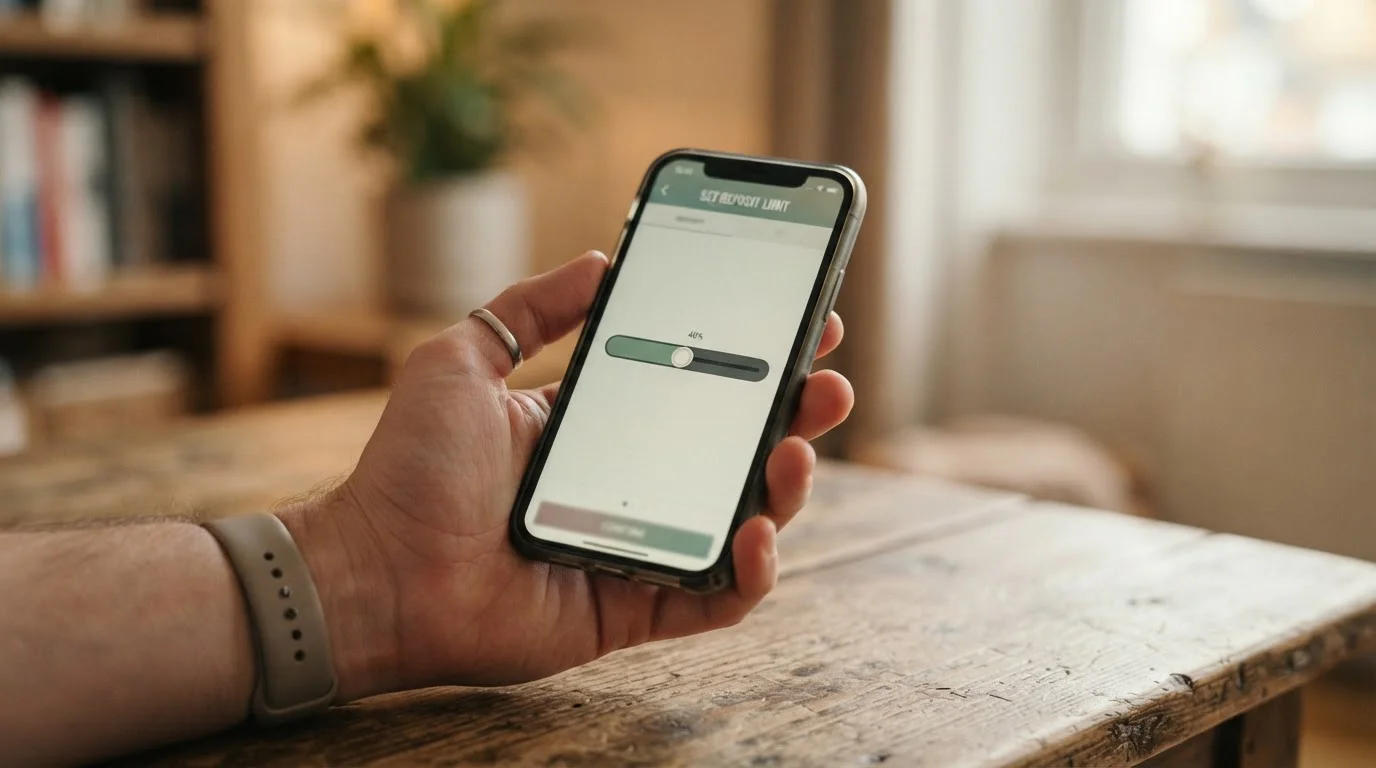
Why do UK casinos require registration if it slows things down?
Because the slowdown is the safeguard. Registration lets a licensed operator verify your age, check you against GAMSTOP, segregate your funds and offer deposit limits — protections an account makes possible. Pay-by-bank trims the form to two minutes without removing those safeguards, which is why it is the sensible British answer to the search.
How We Assessed These Sign-Up Flows
The brands on this page were chosen on a narrow, deliberate basis rather than a general "best casino" ranking. Each had to hold a current UK Gambling Commission remote licence, verifiable on the Commission’s public register, since an unlicensed site is disqualified from this topic by definition. Each had to offer a genuinely quick onboarding path — in most cases pay-by-bank or Open Banking deposits, in all cases electronic verification that clears ordinary UK players without an up-front document queue. And each had to pair that speed with a clean payout record on the bank rail, because fast sign-up with a slow or unreliable withdrawal would miss the entire point.
Deposit minimums, withdrawal timings and bonus policies were taken from each operator’s published terms and from aggregated player reports on independent review platforms for the current period. Where a figure could not be stated with confidence — exact payout windows vary by bank and by verification status — the guide uses an honest range rather than a false precision, because a fabricated "clears in exactly 11 minutes" would be the same kind of overpromise the no-account marketing trades in. Licence holders and parent companies were confirmed against the public register; where a specific licence number was not reliably to hand, the operator is identified by its licensed legal entity rather than a guessed figure.
The list is not exhaustive, and it is not a league table. Other UKGC-licensed casinos offer fast pay-by-bank sign-up, and the brands here will suit different players — MrQ and PlayOJO for the no-catch, no-wagering crowd, bet365 and LeoVegas for speed and scale, Sky Vegas for low-stakes quick payouts, Casumo and Mr Vegas for a gamified or large-library experience. The through-line is the argument this whole guide is built on: the thing you searched for doesn’t exist in Britain, but the thing you actually wanted does, and it is sitting inside a licensed account that takes two minutes to open and keeps you protected once it is.
Created by the ”Payments-casino-uk” editorial team.