Giropay at UK Casinos — A Method That Was Never Here, and Is Now Gone
 Available in GB

You typed "casinos that accept giropay uk" into a search box, and the honest answer arrives in two parts, neither of them a cashier page. First: no UK Gambling Commission-licensed casino has ever offered giropay as a deposit method, because giropay was a German payment service built for German bank accounts. Second: even in its home market it is finished. The banks that owned it switched it off on 31 December 2024, wound down the operating company through 2025, and pointed their customers at a different product entirely. So you are chasing a method that was never on the British menu and has now been removed from the German one too.
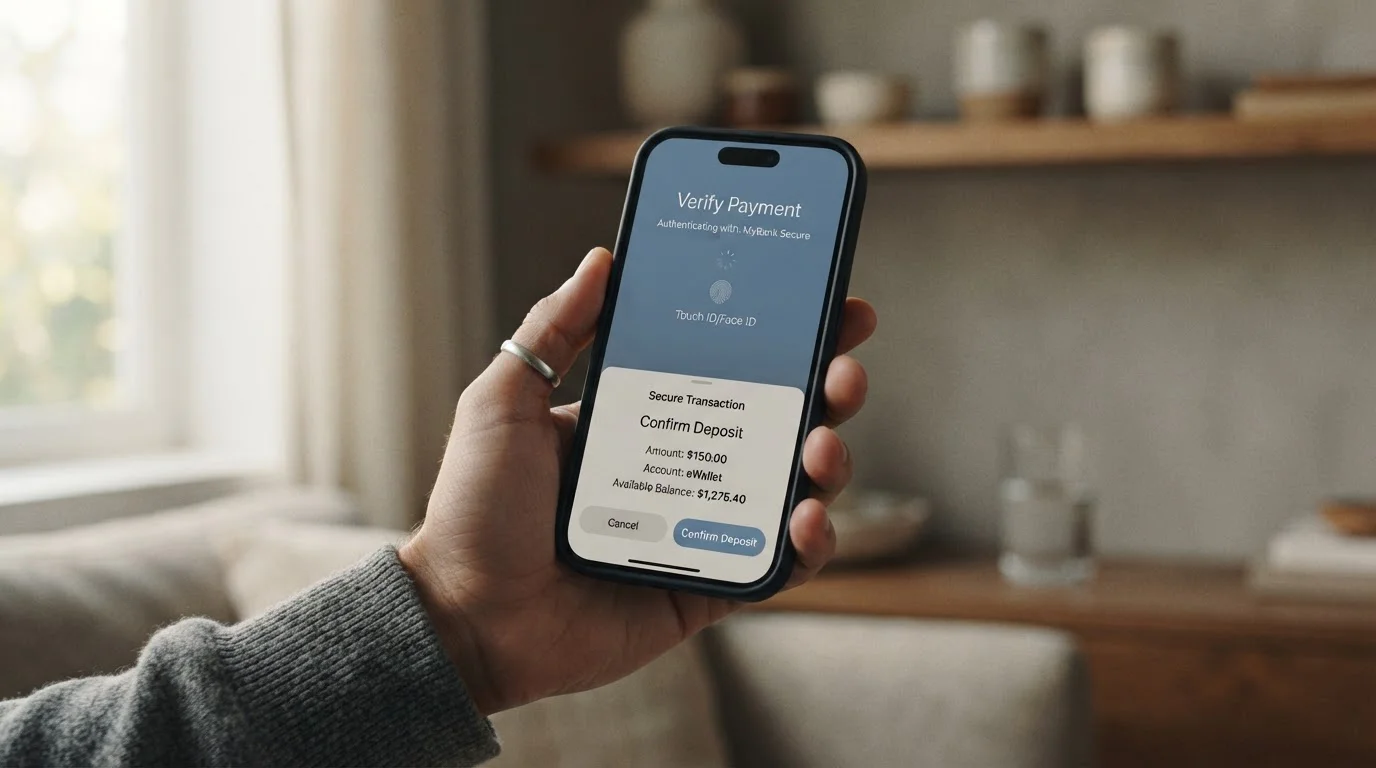
That sounds like a dead end, and for the brand name it is. But the thing you actually wanted — a fast route from your bank account straight into a casino balance, no card number typed into a form, no separate wallet to top up — is alive and well in the UK. It just wears a different label. The open-banking rails marketed as Trustly, Pay by Bank or Instant Banking do the same job giropay did in Germany: you authenticate inside your own banking app with Face ID or a fingerprint, approve the amount, and the money lands in seconds. This guide explains what giropay was, exactly why it shut down, why British search results keep surfacing it anyway, and which UKGC-licensed sites run the method that genuinely replaced it.
There is one more reason to read on. A lot of the pages ranking for this search were copied from German or pan-European payment menus and never corrected. They will happily list "giropay casinos" with a straight face in 2026, link you to a deposit screen that cannot process it, and move on. Knowing what is real here saves you a wasted registration and a failed transaction.
Table of Contents
- Can You Use Giropay at a UK Casino in 2026? (The Short Answer)
- What Giropay Actually Was — A German Bank-Transfer Rail, Not a UK Method
- Why Giropay Shut Down on 31 December 2024
- Why UK Searches Still Surface "Giropay Casinos"
- What UK Players Actually Use Instead
- UKGC-Licensed Casinos Where the Replacement Methods Work
- How Pay by Bank Replaces the Giropay Workflow (Step by Step)
- Giropay, Wero and Trustly: Sorting the Open-Banking Lineage
- Bonuses, Limits and Fees with the Replacement Methods
- Safety, Licensing and Verifying a Casino Yourself
- Non-GamStop and Offshore Sites: Why Giropay Still Will Not Appear
- Checking the Licence and Setting Deposit Limits
Can You Use Giropay at a UK Casino in 2026? (The Short Answer)
No. Zero UKGC-licensed casinos accept giropay in 2026, and that is not a temporary outage or a provider swap mid-contract. It is a double absence. Giropay was a domestic German payment rail that connected a shopper’s German online-banking login to a merchant’s checkout. It cleared payments through German banks, for customers holding accounts at those banks, inside a German regulatory frame. A British player with a Barclays or Monzo account was never the target customer, and UK casino cashiers never integrated it because there was nothing for them to integrate on this side of the water.
Then the rail itself went away. The company behind giropay, Paydirekt GmbH — a joint venture of Germany’s largest banks — decided in June 2024 to discontinue the service, announced it publicly on 1 July 2024, and shut it down on 31 December 2024. The login portal stayed open a few weeks longer for existing users to tidy up, then that closed too. So even if a UK casino had wanted to bolt giropay onto its cashier today, there is no live product to connect to. The brand survives only in old filings, dormant domains, and the stale affiliate tables that sent you here.
Can I deposit at a UK casino with giropay in 2026?
No. Giropay never operated as a UK casino deposit method, and the service was shut down entirely on 31 December 2024 by its owner, the German bank joint venture Paydirekt GmbH. There is no live giropay rail for any merchant to connect to, British or otherwise. Use pay-by-bank, a debit card or PayPal at a UKGC-licensed casino instead.

What Giropay Actually Was — A German Bank-Transfer Rail, Not a UK Method
Giropay started life in 2005 as an online bank-transfer scheme run by a group of German banks, built to let shoppers pay directly from their current account without handing card details to the merchant. The pitch mirrored what later made Trustly and Sofort popular across Europe: you reached the checkout, picked giropay, were bounced to your own bank’s login, confirmed the payment with your bank’s security, and the merchant received an instant confirmation. The money moved over Germany’s domestic transfer system. No card network, no stored balance, no third party holding your cash.
For a stretch of the 2010s it sat on German e-commerce checkout pages alongside Sofort, Trustly and the banks’ other digital-payment experiments. It had real reach inside Germany — tens of millions of eligible bank customers by default, because eligibility came with the account rather than a separate sign-up. What it never had was a cross-border consumer footprint aimed at British players. It cleared euros through German institutions. A UK gambler depositing in pounds from a UK current account had no path into it, which is precisely why no UKGC cashier ever carried it.
The Paydirekt Merger: How Three Brands Became One "Giropay"
The confusing part of the story is that "giropay" in its final form was not only the 2005 transfer scheme. Germany’s banks had spent years running three overlapping digital-payment products: the original giropay bank transfer, paydirekt (a PayPal-style wallet launched in 2015), and Kwitt (a person-to-person transfer tool inside banking apps). None of the three dented PayPal’s dominance on its own. So the banks folded them together under a single name. The combined offering — operated by Paydirekt GmbH — was marketed as giropay, which is why late-period descriptions call giropay both a bank transfer and a wallet-style service. It was a rebrand of a merger, not a new invention.
Ownership matters here because it kills a popular myth before it spreads. Giropay was owned by Paydirekt GmbH, a joint venture of major German banks including Deutsche Bank and Commerzbank alongside the savings-bank and cooperative-bank groups. It was not a PayPal product. PayPal was the competitor giropay was built to fight, not its parent. That distinction becomes important in a moment, because the single most common reason British players think "giropay" and "PayPal" are connected is a checkout quirk, not a corporate takeover.
Was giropay ever available at UK online casinos?
No. Giropay was a domestic German bank-transfer and wallet service that cleared payments through German banks for German account holders. UKGC-licensed casinos never integrated it, because it had no consumer path for UK current accounts or sterling deposits. Any UK-facing page listing "giropay casinos" was copying a German or pan-European payment menu rather than describing a real British cashier option.
Why Giropay Shut Down on 31 December 2024
The numbers tell the story the banks were too polite to say out loud: giropay lost. Despite a captive base of eligible bank customers, its share of German e-commerce transactions had sagged to roughly the low single digits by the early 2020s — reporting at the time put it around 1.6 percent — while PayPal kept well over 30 million German customers and the habit that comes with them. A payment method nobody reaches for is an expensive thing to maintain, and the banks funding it eventually did the arithmetic.
The decision came in June 2024, when Paydirekt’s shareholders agreed to wind the service down. The public announcement landed on 1 July 2024. Some payment providers stopped offering giropay to their merchants almost immediately — PayPal, which had carried giropay as one of its German bank-transfer options, dropped it from 30 June 2024 — and the service was switched off entirely on 31 December 2024. Existing users could still reach the login portal until the end of January 2025 to settle anything outstanding, after which personal data was scheduled for deletion under the usual retention rules. Paydirekt GmbH itself was set to be wound up over the course of 2025.
The banks did not leave their customers with nothing. They pointed to Wero, the account-to-account wallet from the European Payments Initiative, as giropay’s intended successor. Wero is a pan-European project with backing from banks in Germany, France, Belgium and beyond, and it does roughly what giropay tried to do, built for the current decade’s regulatory and technical standards. For a German shopper, that is a tidy handover. For a British player searching casino cashiers, it changes nothing, because Wero is no more a UK method than giropay was. It is the same category of product, aimed at the same continental market, with the UK once again outside the frame.
Why did giropay shut down and when did it close?
Giropay closed on 31 December 2024. Its owner, the German bank joint venture Paydirekt GmbH, decided to discontinue it in June 2024 and announced the closure on 1 July 2024. The stated driver was commercial: the service never gained traction against PayPal, its e-commerce share had fallen to low single digits, and the banks redirected customers to Wero, the European Payments Initiative wallet.
Why UK Searches Still Surface "Giropay Casinos"
If giropay was German and is now switched off, why does a British search throw up page after page of "best giropay casinos uk"? Four reasons, none of them a sign that a hidden UK giropay cashier exists.
The first is the PayPal checkout association, and this is the big one. For years, when you paid for something online and chose PayPal in Germany, giropay could appear as one of the bank-transfer options inside PayPal’s own flow. Shoppers saw the two names in the same window and filed them together. That mental link travelled, and it got stronger in mid-2024 when PayPal published notices about withdrawing giropay as a payment option. People read "PayPal" and "giropay" in the same breath and assumed a corporate relationship — an acquisition, a merger, a rebrand. There was none. PayPal offered giropay the way a shop offers several card brands at the till; dropping it was housekeeping, not a sale.
The second reason is affiliate inertia. A great many casino-comparison pages are assembled by copying payment-method lists wholesale, often from German or broadly European sources, then bolting "uk" onto the end for the search traffic. A method that ranked well while it was live keeps ranking after it dies, because the business model rewards clicks over cashier accuracy. Nobody is paid to delete a page that still earns, so "giropay casinos uk" survives as a listing long after the premise collapsed. The third reason feeds the second: a generic confusion between giropay and the entire "pay by bank" category. Shoppers who remember an instant bank-transfer button sometimes call any such button "giropay," the way people say "hoover" for any vacuum. When they search, they are really hunting for the workflow, not the brand.
The fourth is the Wero handover and the general churn of European bank-wallet brands — Sofort, giropay, paydirekt, Klarna’s instant transfer, now Wero. They blur together, and a player who used one on a trip or a foreign site may misremember which. The practical upshot is the same across all four: the search is driven by a real need (a private, instant, card-free deposit) attached to a dead or foreign label. Fix the label and the need is easy to meet.
Is giropay the same as PayPal, or did PayPal buy it?
No on both counts. Giropay was owned by Paydirekt GmbH, a joint venture of German banks, and was built specifically to compete with PayPal, not to be part of it. PayPal merely offered giropay as one bank-transfer option inside its German checkout and stopped doing so from 30 June 2024. Seeing the two names together caused the confusion; there was no acquisition.

What UK Players Actually Use Instead
Strip away the brand and giropay was an open-banking deposit: bank account to merchant, instant, no card, no stored balance. The UK has had that exact workflow for years under different names, so the migration is painless. Three routes cover almost everyone, and the comparison below lays them against each other on the points that decide a deposit.
| Method | Deposit Speed | Withdrawal Speed | Fees (casino side) | Bonus Eligibility |
|---|---|---|---|---|
| Pay by Bank / Trustly | Instant | Same day to 24 hours | None | Usually permitted |
| Debit card (Visa, Mastercard) | Instant | 1–3 working days | None | Always permitted |
| PayPal | Instant | Instant to a few hours | None | Sometimes excluded |
| Apple Pay / Google Pay | Instant | Via the underlying card (1–3 days) | None | Usually permitted |
| Bank transfer (standard) | Up to 1 day | 1–3 working days | None | Permitted |
Pay by bank is the closest match to what giropay did, so it leads. You select it in the cashier, pick your bank, authenticate in your banking app, and confirm — the money moves over Faster Payments, the UK’s round-the-clock settlement system, so deposits are instant and withdrawals usually land the same day once the casino approves them. No wallet to register, no card number exposed, and the casino never sees your banking login. If giropay appealed to you because it kept cards out of the loop and moved money straight from the account, this is the like-for-like swap.
Debit cards are the universal fallback. Every UKGC-licensed casino takes Visa and Mastercard debit, deposits are instant, and the method always qualifies for bonuses. The trade-off is a slower payout — one to three working days, because the money travels back through the card network’s settlement rails — and a little less privacy, since your card details pass through the casino’s payment processor. Worth remembering: credit cards are banned for gambling in Great Britain since 14 April 2020, so only the debit version is on the table. PayPal is the third pillar: a genuine stored-balance wallet, instant to deposit, fast to withdraw, and the one most casinos treat kindly on bonuses because its dispute controls are stricter than the old e-wallet crowd. The catch is the opposite of giropay’s — PayPal is a wallet you top up and hold funds in, where giropay pushed straight from the bank.
Which method is the real replacement for giropay at UK casinos?
Open-banking pay-by-bank, marketed as Trustly, Pay by Bank or Instant Banking, is the direct replacement. It reproduces giropay’s workflow exactly: you authenticate inside your own banking app, approve the payment, and funds move instantly from your account to the casino with no card and no stored wallet. It also pays out faster than cards, usually the same day over Faster Payments.
UKGC-Licensed Casinos Where the Replacement Methods Work
The sites below are all licensed by the UK Gambling Commission and all run at least one of the giropay replacements — most commonly pay-by-bank, with debit cards and, where noted, PayPal alongside. The table gives the parameters at a glance; the breakdowns that follow cover each operator properly, because a single row never tells you whether a casino is worth your deposit. None of these ever processed giropay. They are here because they deliver the instant, bank-funded experience you came looking for.
| Operator | Licence | Withdrawal speed | Minimum deposit | Distinguishing feature |
|---|---|---|---|---|
| bet365 | Hillside (New Media) Ltd | Same day once verified | £5 | Lowest pay-by-bank floor among the majors |
| William Hill | WHG (International) Ltd | E-wallets up to 24h | £10 | Widest payment menu, all four big e-wallets |
| 888casino | 888 UK Ltd | 1–3 days | £10 | Operating since 1997, PayPal and pay-by-bank |
| Casumo | Casumo Services Ltd | Same day to 24h | £10 | Open banking across a broad list of UK banks |
| PlayOJO | SkillOnNet (licence 39326) | 1–3 days | £10 | Zero wagering on every bonus and spin |
| LeoVegas | LeoVegas Gaming (000-039426) | PayPal 1–12h | £10 | Fastest e-wallet payouts in the UK market |
bet365
bet365 is the obvious starting point for anyone replacing giropay, because it pairs the lowest entry barrier with the broadest payment menu among the market leaders. Pay-by-bank deposits start at £5 — the lowest verified floor among the big operators — and withdrawals over the bank rail typically clear the same day once your account is verified, with daily limits comfortably above £10,000 for most tiers. The company operates under Hillside (New Media) Limited, is privately held by the Coates family, and has run since 2000 out of Stoke-on-Trent. Scale is its quiet advantage: the platform absorbs weekend-evening and big-match traffic without the lag that smaller sites suffer, and support runs 24/7 by live chat and phone.
The casino library sits around 1,500 titles, including a Playtech-powered live suite and progressive jackpots other UK operators cannot access. For a former giropay user, the pitch is simple — the deposit method that behaves most like giropay (instant, straight from the bank, no card details) works here at the lowest minimum you will find, and the payout is fast and predictable rather than gimmicky. The welcome offer shifts by promotion, and pay-by-bank deposits qualify unless the specific terms say otherwise. You trade a boutique, personalised feel for reliability. Most players making the switch should start here and only move on if they want something bet365 does not do.
William Hill
William Hill is the pick when payment flexibility is the whole point. The cashier carries the full spread — Visa and Mastercard debit, PayPal, Skrill, Neteller, pay-by-bank and standard transfer — which makes it the rare UK casino offering all four major e-wallets rather than forcing a choice between PayPal and the Paysafe pair. For a player who kept gambling funds ring-fenced through giropay and now wants to split them across a bank rail and a wallet without juggling multiple casino accounts, that breadth is the draw. The brand runs under WHG (International) Limited, part of the group now inside evoke plc after years under Ladbrokes-Coral and then 888 ownership, and it carries nine decades of bookmaking history since 1934.
Minimums land around £10 depending on method, and e-wallet withdrawals process within about 24 hours, with faster card-push options available on some deposits. The game library runs past 500 titles with a solid live-dealer section, and the operator belongs to the Independent Betting Adjudication Service for disputes. The reason to choose William Hill over bet365 is specific: you want Skrill or Neteller in the mix as well as a bank rail, or you simply prefer a long-established name with a comprehensive menu over a leaner cashier. If you only ever intend to deposit by pay-by-bank, bet365’s £5 floor beats it; if you want options, William Hill wins.
888casino
888casino is the longevity play. Live since 1997, it is one of the oldest continuously operating online casinos anywhere — twenty-seven years in a sector where a five-year run counts as an achievement — and that history buys deep liquidity and a compliance record robust enough to survive repeated regulatory tightening. It operates under 888 UK Limited, part of the LSE-listed 888 Holdings. The platform shows its age in places; the cashier is functional rather than sleek, and the design feels a generation behind the 2020s launches. What it offers in return is predictability.
The library runs to roughly 2,000 titles from Evolution, NetEnt, Pragmatic Play and others, plus the proprietary "888 Originals" you will not find elsewhere. Pay-by-bank and PayPal are both supported, with a £10 minimum and withdrawals of one to three days after approval. The PayPal support is a genuine edge over operators that dropped e-wallets to cut processing costs. For a giropay refugee who wants a known quantity rather than a new entrant, 888 behaves like a like-for-like: instant deposits, payouts that land inside the stated window, and disputes handled through established channels. The payout is slower than the bank-rail specialists, so pick 888 for the brand security and the PayPal option, not for raw speed.
Casumo
Casumo is the strongest bank-compatibility choice on this list, which matters directly to anyone replacing a bank-transfer method. Open-banking deposits run through a UK open-banking provider covering a broad roster of British banks — the high-street names plus Starling, Monzo, Revolut and more — so the odds your account is supported are high. That breadth is the closest thing on offer to giropay’s default-eligible reach. The brand launched in 2012, operates under Casumo Services Limited, holds additional licences in Malta, Sweden and Ontario, and wraps the whole experience in a gamified adventure layer of levels, trophies and timed slot tournaments that you will either enjoy or ignore.
The game count sits above 4,000 titles with a particularly strong Evolution-powered live section. The minimum deposit is £10, and open-banking withdrawals settle same day to 24 hours after internal approval. Bonuses carry a lower wagering multiple than the old market standard, in line with the tighter rules now in force. If your bank is the thing that usually breaks a pay-by-bank deposit elsewhere, Casumo’s coverage is the reason to start here. If you never had a compatibility problem, the gamification is the deciding factor — charm to some, clutter to others.
PlayOJO
PlayOJO built its name on a single promise and kept it: no wagering on anything. Every bonus and every free spin pays winnings as withdrawable cash with no playthrough, which in an industry fond of turning a "free" £10 into a £350 grind is a genuinely rare position. The site runs under SkillOnNet Limited on UKGC licence 39326, launched in 2017, and treats transparency as the product. For a player who valued giropay partly because it felt clean and intermediary-free, PlayOJO’s no-strings bonus structure fits the same instinct.
Pay-by-bank is supported for deposits and withdrawals at a £10 minimum, with payouts of one to three days after approval. The library runs to around 3,000 slots, live tables and Slingo games, and the "OJO Plus" scheme returns a slice of every real-money spin as withdrawable cash with no conditions attached. The welcome offer — a batch of free spins paid as cash, no wagering, no win cap — survives the post-2026 bonus tightening because it was already compliant. Choose PlayOJO when bonus honesty outranks payout speed. It is not the fastest to cash out, but you will never find a hidden turnover clause swallowing your winnings.
LeoVegas
LeoVegas is the speed specialist, and for anyone who liked giropay’s instant feel on the way in, it is the one that extends that feel to the way out. The operator consistently posts the fastest e-wallet withdrawals in the UK market — PayPal cashouts in the one-to-twelve-hour range, sometimes under two hours for verified accounts — while card and bank-linked payouts take the usual one to three days. It runs under LeoVegas Gaming plc on UKGC licence 000-039426, was acquired by MGM Resorts in 2022, and earned its "King of Mobile" tag by treating the phone as the primary screen back when rivals bolted mobile on as an afterthought.
The library is one of the largest here, past 3,000 titles across slots, live casino, Megaways and game shows, with Evolution covering the full live suite. The £10 minimum applies across methods, and the welcome package pairs a match bonus with free spins under the 10x wagering cap in force across the major groups since 19 January 2026. Pay-by-bank and PayPal both work in the cashier. Pick LeoVegas if you intend to cycle funds in and out and want the quickest round trip — the bank rail gets money in instantly, and PayPal gets winnings back to you faster than almost anyone else.
Which UKGC-licensed casinos accept pay-by-bank as a giropay alternative?
bet365 (from a £5 minimum), William Hill, 888casino, Casumo, PlayOJO and LeoVegas all run open-banking pay-by-bank as a deposit method, most with same-day or next-day withdrawals over Faster Payments. All hold UK Gambling Commission licences, segregate player funds, and offer debit-card and, in several cases, PayPal routes alongside. Casumo has the widest UK-bank coverage; bet365 has the lowest minimum.
How Pay by Bank Replaces the Giropay Workflow (Step by Step)
Anyone who used giropay in Germany will recognise the pay-by-bank flow immediately, because it is the same idea under newer rules. The one real upgrade is regulatory: UK open banking runs under the FCA’s implementation of the second Payment Services Directive, which forces strong customer authentication and bans the credential-sharing shortcuts some early transfer services leaned on. You authenticate inside your bank, not inside a third party’s login box, which narrows the room for phishing. Start to finish, a deposit takes under a minute.

Making a Pay-by-Bank Deposit
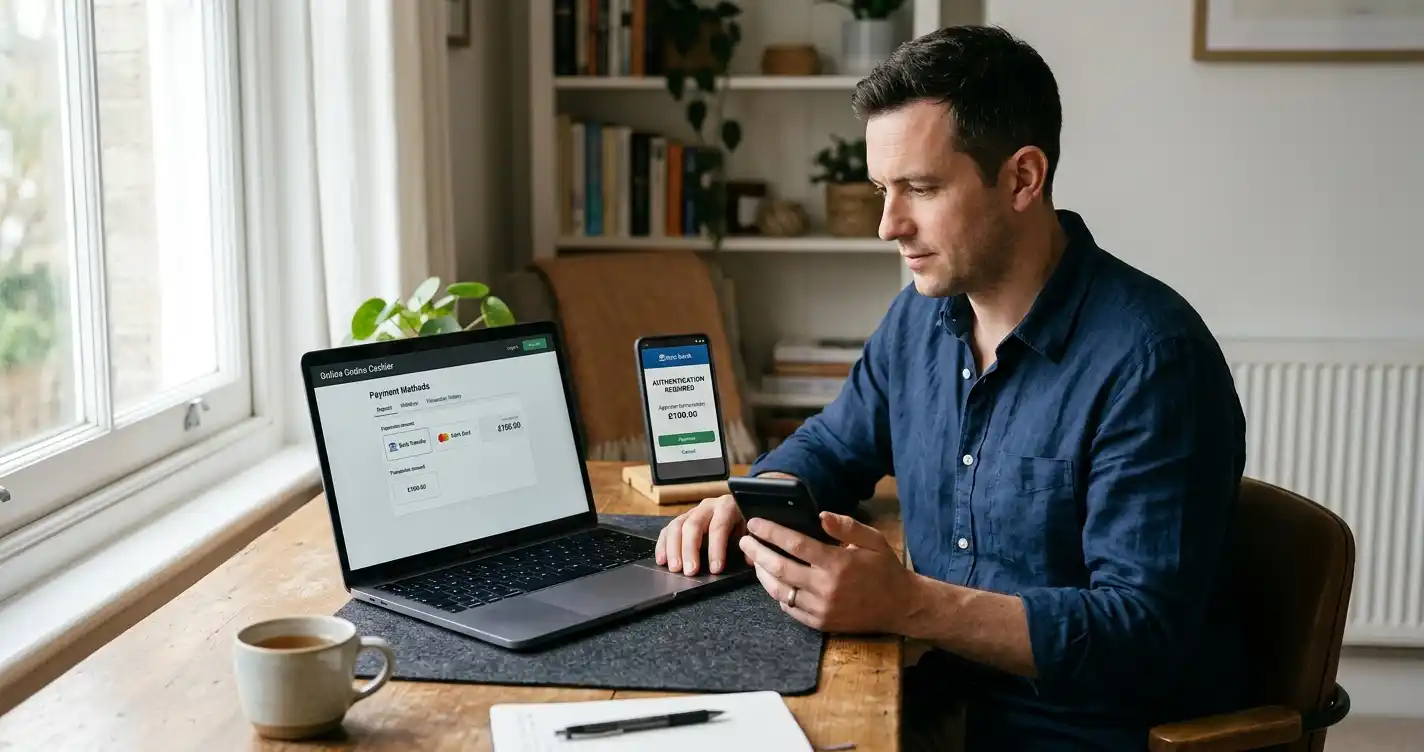
Log into your casino account and open the cashier or banking section. Select the open-banking option — the label varies, so look for "Pay by Bank," "Trustly," "Instant Banking" or "Online Bank Transfer," and read the descriptor to be sure it says instant rather than the slower standard transfer. Enter your amount; most sites set a £10 minimum, bet365 goes to £5, and there is rarely a per-transaction maximum, though your account-level daily limit and any responsible-gambling cap you set still apply. Confirm, and you are handed a list of banks or redirected to the provider’s interface.
Pick your bank. Every major high-street name is covered — Barclays, Lloyds, HSBC, NatWest, Santander, TSB, RBS — along with the digital banks like Monzo, Starling and Revolut. If your banking app is on the same device it opens automatically; otherwise you reach your bank’s secure web login. Authenticate the way your bank always asks you to: Face ID, fingerprint, or password plus an SMS code. Your bank shows a confirmation screen with the amount, the recipient and a reference, you approve it, and you are bounced back to the casino with the funds already in your balance. No pending period, no settlement wait. If it fails, you will see a plain error — a declined transaction, a cancelled approval, or a brief connectivity hiccup between the provider and your bank — and you retry or switch method.
Withdrawing Winnings Back to Your Bank
Cashing out reverses the path. Open the withdrawal section, choose pay-by-bank, and enter the amount — minimums are usually £10, daily maximums commonly £5,000 to £10,000 depending on your account status, with increases available through support after verification. UK anti-money-laundering rules require withdrawals to return to the same account you deposited from, so if you funded from your Lloyds account, that is where the payout goes; the casino cannot send it elsewhere without extra identity checks. Submit the request, and the casino’s internal review begins: a check for any outstanding bonus turnover, identity verification if you have not completed it, then release.
Approval is the variable, not the transfer. Once the casino signs off, the money moves over Faster Payments, which runs 24/7 with real-time settlement, so it typically reaches your account within hours and often within minutes at a digital bank. The hold-up, when there is one, is the operator’s queue — some approve within the hour, others take up to 24 hours, and a Friday-night request can wait for a Monday finance team. That is the same bottleneck giropay users faced in Germany, and it is why the speed specialists above are worth paying attention to.
How does a pay-by-bank deposit compare to how giropay worked?
They are the same workflow. Both bounce you from the casino checkout to your own bank’s login, let you confirm the payment with your bank’s security, and move money straight from your account with no card number and no stored wallet. The difference is jurisdiction and rails: giropay cleared through German banks, while UK pay-by-bank runs over Faster Payments under FCA-regulated open banking, with stronger authentication rules.
Giropay, Wero and Trustly: Sorting the Open-Banking Lineage
It helps to see where giropay sat in a family of products, because that is what untangles the confusion. Giropay was Germany’s bank-owned attempt at account-to-account payments. Wero is its named successor — the same banks, broadly, pushing a pan-European wallet under the European Payments Initiative, live across parts of the continent and aimed squarely at the market giropay served. Trustly is the independent provider that did across Europe and the UK what giropay did only inside Germany, and it holds an FCA Authorised Payment Institution licence in the UK plus a Swedish payment-institution licence. Sofort, Klarna’s instant bank transfer, and a handful of others round out the category.
For a British player the sorting is blunt. Giropay: gone, and never yours to begin with. Wero: alive, but continental, with no UK consumer footprint, so not a casino option here. Trustly and the Pay-by-Bank brands built on UK open banking: the ones that actually work at UKGC cashiers. If a page tells you a UK casino "accepts giropay," it has confused a dead German brand with the live UK category, which is an easy mistake to make and a costly one to act on. The reliable move is to look for the word "bank" in the cashier, confirm it says instant or open banking, and ignore the brand nostalgia entirely.
Is Wero the same as giropay, and can I use it at UK casinos?
Wero is the official successor to giropay, run by broadly the same European banks under the European Payments Initiative, but it is a separate product. Like giropay, it is built for continental European accounts and has no UK consumer footprint, so UKGC-licensed casinos do not offer it. UK players should use Trustly or Pay by Bank, which run on British open-banking rails over Faster Payments.
Bonuses, Limits and Fees with the Replacement Methods
None of these methods costs you anything at the casino. UKGC licence conditions bar operators from charging deposit or withdrawal fees, so what you deposit is what lands, and pay-by-bank carries no consumer transaction fee on top. Your own bank will not charge you either, assuming a standard current account with free Faster Payments, which covers almost everyone. Debit cards are likewise fee-free at the casino. The only place a fee creeps in is the old e-wallet pair, Skrill and Neteller, which bill around 1.45 percent to move money from the wallet to your bank — irrelevant if you are depositing by bank rail, worth knowing if you keep a wallet balance.
Bonus eligibility is where the methods diverge. Pay-by-bank and debit cards are treated as clean, bank-backed deposits and almost always qualify for welcome offers, because they carry none of the bonus-abuse history that got standalone e-wallets excluded a decade ago. PayPal usually qualifies too, thanks to its stricter dispute controls. Skrill and Neteller are the ones frequently barred from bonuses. The practical rule for a giropay replacement is reassuring: the method that behaves most like giropay — straight from the bank — is also the one least likely to cost you a welcome offer. Limits are set by the casino and your account tier rather than the payment method, with affordability checks kicking in at higher cumulative losses as the Commission’s phased rules bed in, and a maximum £5-per-spin slot stake for players 25 and over.
Do welcome bonuses accept pay-by-bank deposits?
Usually yes. Open-banking pay-by-bank is treated as a bank-backed deposit, so it qualifies for welcome offers at most UKGC-licensed casinos, with none of the exclusions that often hit Skrill and Neteller. Debit cards always qualify, and PayPal usually does. Read the specific promotion before depositing — a handful of offers exclude all e-wallet and instant-banking methods — but the bank rail is among the safest choices for bonus eligibility.
Safety, Licensing and Verifying a Casino Yourself
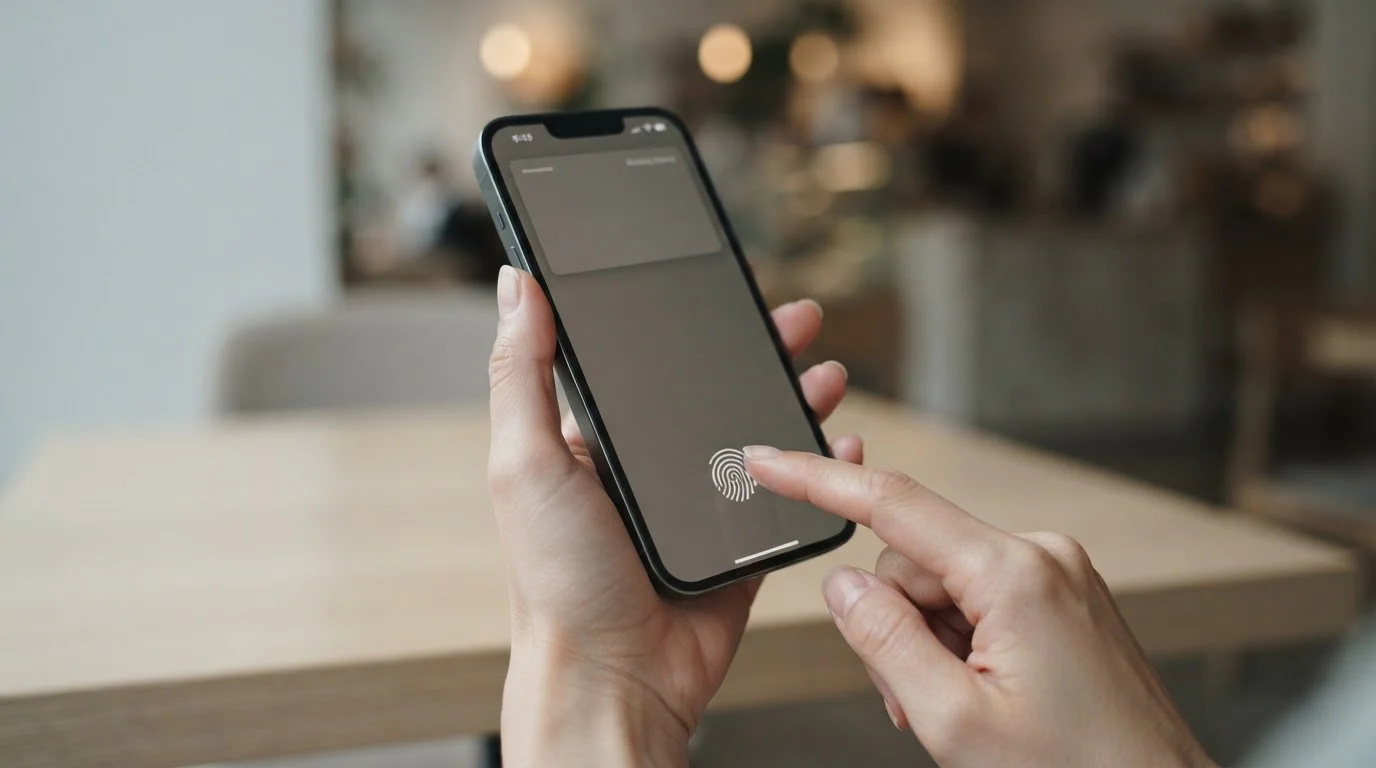
The open-banking rail that replaced giropay sits under tighter oversight than giropay’s 2005-vintage authorisation ever required. Providers like Trustly hold FCA authorisation, must use strong customer authentication, and never see or store your banking login — the casino receives only a confirmation token carrying a transaction ID and amount, not your account number. That is a structural improvement on the screen-scraping era of early bank-transfer tools, where your password passed through a third party even if it was not kept. Under current rules your credentials stay with your bank, and the provider acts as a regulated messenger rather than a credential proxy.
Regulation only protects you if the casino itself is licensed, which is one verification you should never skip. Every UKGC-licensed operator must show its licence number in the site footer. Copy it, go to the Gambling Commission’s public register, and search. The entry shows the licence holder’s legal name, the licence type, the status and the issue date. Check three things: the status reads "Active," the legal name matches the operator’s terms and conditions, and the licence type covers what you intend to play. A site that shows no number, a number that is not in the register, or a status of "Suspended" is not one to deposit at — and a site claiming to accept giropay on top of that is waving two red flags at once.
How to Tell a Payment Method Is Actually Live
The cheapest reliable test is a minimum deposit. Register, complete any upfront identity checks, open the cashier, and try to deposit the minimum — £5 or £10 — with the method you care about. If it completes and the balance updates, the integration is live. If it fails, times out, or quietly redirects you to a different method, it is dead or was never real. That last behaviour is exactly what you would hit on a site still listing giropay: you select it, and either an error appears or you are bounced to pay-by-bank or card without explanation. The redirect is your proof.
A faster, less certain check is to watch the cashier flow. Select the method and see whether real provider branding and a bank-selection screen appear. Cross-reference recent player reviews on the usual aggregators: one or two complaints can be user error, but a run of "deposits failing" reports from the past few months is a pattern worth heeding. And treat any footer logo with suspicion — operators sometimes leave a retired brand’s badge in the payments strip long after the integration died, which is part of how giropay keeps haunting pages it has no business being on.
How can I check whether a casino’s payment method actually works before I deposit?
Make a minimum test deposit of £5 or £10 with that method after registering. If the funds land, it is live; if the transaction fails or redirects you to a different method, it is dead or was never supported. Also confirm the casino’s UKGC licence number on the Gambling Commission’s public register shows an active status, and treat footer logos as unreliable — operators often leave retired brands like giropay displayed.

Non-GamStop and Offshore Sites: Why Giropay Still Will Not Appear
A chunk of the searches around this topic ask about giropay at casinos "not on GamStop," and the reframe applies there too, with an extra warning. The honest technical point first: even offshore sites cannot offer giropay, because the rail itself is globally retired for new business, not merely blocked in the UK. There is no live integration anywhere for a Curaçao or Malta-licensed operator to connect to. So "non gamstop giropay casinos uk" fails for exactly the same reason the licensed version fails — the product does not exist to be found. Any site claiming otherwise is either listing a dead badge or lying.
The warning is the one that matters more. GamStop is the UK’s national self-exclusion scheme, mandatory for every UKGC licensee, and searching for a way around it is usually a sign something is wrong rather than a clever hack. Offshore sites that market themselves as outside GamStop also sit outside UK fund protection, UK age and affordability checks, and any regulator you could complain to when a withdrawal stalls for a month. Swapping a lost German payment brand for an unlicensed casino is trading a minor inconvenience for a real hazard. If GamStop feels too restrictive, that feeling is worth taking to the free, confidential support services rather than to an offshore cashier. The money you would deposit is far easier to lose there than at any licensed site on this page.
Can I find giropay at non-GamStop or offshore casinos instead?
No. Giropay was shut down globally for new business on 31 December 2024, so there is no live rail for offshore sites to offer any more than UK-licensed ones. Sites claiming to accept it are displaying a dead brand. Beyond that, non-GamStop casinos operate without UK fund protection or regulatory recourse, so chasing them to bypass self-exclusion trades a trivial problem for a serious risk.
Checking the Licence and Setting Deposit Limits
The tidy summary is that you were never missing anything. Giropay was a German bank-transfer rail that no UK casino ever carried, and as of 31 December 2024 it does not exist for anyone. The need behind the search — fast, private, card-free deposits straight from your bank — is fully met in the UK by open-banking pay-by-bank at the licensed operators above, with debit cards and PayPal as proven backups. Switch the label, keep the workflow, and the problem solves itself. The one thing to carry across from any payment decision is the habit of checking the casino’s licence before the method, because a live deposit rail at an unlicensed site is worth nothing.
Set your limits before your first deposit, not after a bad night. Every UKGC casino must offer deposit, loss and time-out limits in account settings, and raising a limit triggers a cooling-off delay by design, while lowering one takes effect at once. GamStop remains the complete-break option, blocking you across every licensed operator for six months, one year or five years once you register. If the reason you were hunting a workaround was that gambling has stopped feeling optional, the National Gambling Support Network and GamCare both offer free, confidential help — a far better use of the next ten minutes than registering at a site that lists a payment method three years in its grave.
Published by the Payments-casino-uk team.