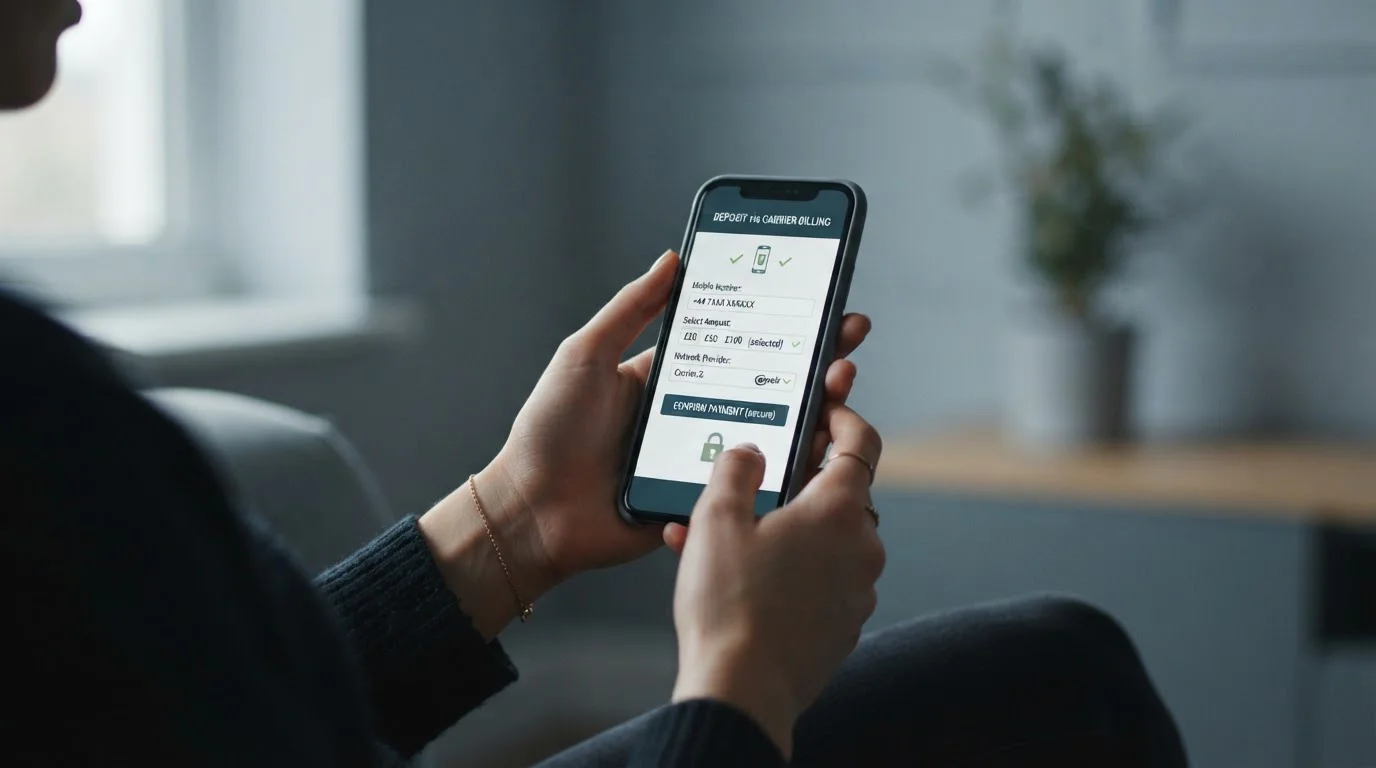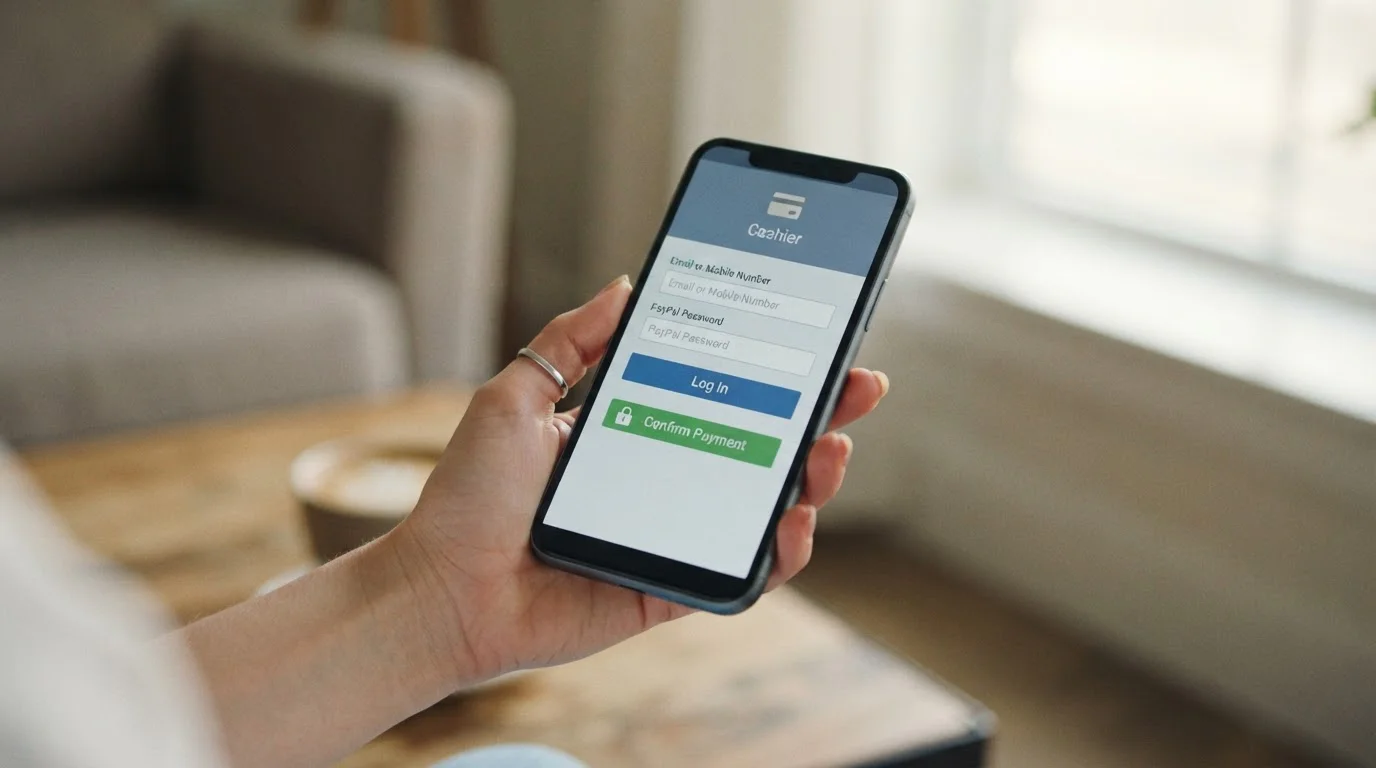
Pay N Play in the UK: The Deposit Rail That Can’t Quite Skip Registration (2026)
 Available in GB
You saw it on a Swedish or Finnish casino: pick your bank, log in, deposit, and you’re playing in under a minute. No forms, no username, no password to forget. That’s Pay N Play, and it is genuinely slick. Then you went looking for the same thing at a UK site and the trail went cold. Searches turn up lists promising "Pay N Play casinos not on GAMSTOP," reviews that are two years stale, and a lot of confident-sounding pages that never actually name a licensed British operator doing it.
Here is the blunt version. Pay N Play is a Trustly-built deposit model that bundles your bank login with instant, invisible account creation. In the Nordics that works because a national digital identity like Sweden’s BankID hands the casino a fully verified customer in one tap. Great Britain has no equivalent, and more to the point, the UK Gambling Commission forces every licensed operator to confirm your age and identity before you deposit or play a single spin. The "no registration, start playing instantly" headline collides head-on with that rule.
So the technology exists in Britain. The bank-login deposit — usually branded Pay by Bank or instant bank transfer — runs on the same open-banking plumbing Trustly pioneered. What does not exist at any UK-licensed casino is a true account-free session where you skip verification entirely. Anyone selling you that is either describing an offshore site with no UK protection, or describing a marketing fantasy. Below is what the model can honestly be in Britain, which operators get closest, and what to use when the frictionless pitch doesn’t survive contact with the regulator.
Table of Contents
- What "Pay N Play" Actually Is and Where It Came From
- The UK Wall: Verification Before You Play
- Fast Sign-Up Is Real. No Sign-Up Is Not.
- The Open-Banking Deposit Reality: Pay by Bank
- The Providers Behind the Model
- UK-Licensed Casinos With Bank-Login Deposits and Fast Onboarding
- How a Bank-Deposit, Fast Sign-Up Session Actually Works
- Withdrawals: Where the Bank Rail Earns Its Keep
- Limits, Minimums and Fees
- Bonuses and Wager-Free Offers With Bank Deposits
- "Pay N Play Casinos Not on GAMSTOP": The Offshore Trap
- Safety, Licensing and Open-Banking Security
- Alternatives When You Want Speed Without the Faff
- Is Pay N Play Available in the UK Right Now?
What "Pay N Play" Actually Is and Where It Came From
Pay N Play is not a payment method in the way PayPal or a debit card is. It is a packaging layer. Trustly, the Swedish fintech that launched the model in 2015, took its existing bank-transfer rail and welded it to automatic account creation. You choose your bank, authenticate inside your own banking app or portal, and the casino receives both the money and a verified identity in the same handshake. No separate sign-up form, no email confirmation, no password. The casino builds your account silently in the background using the data your bank vouches for.
The whole trick depends on the bank being able to prove who you are, instantly, to a standard the casino can trust for anti-money-laundering and age purposes. In Sweden that is BankID; in Finland it was the Tupas system and now bank e-identification. These are near-universal national digital identities tied to a personal identity number. When your bank confirms the login, it is effectively confirming your full legal identity and age at the same time. The casino inherits a Know Your Customer check it never had to run itself. That is the engine under the "no registration" bonnet, and it is why the model exploded across Sweden, Finland and Estonia rather than appearing everywhere at once.
Trustly itself has been around since 2008, headquartered in Stockholm, and took majority investment from Nordic Capital in 2018. It operates open-banking payments across much of Europe and, through its PayWithMyBank arm, in the United States. The company is a licensed, regulated payment institution rather than some fly-by-night processor. None of that is in dispute. The dispute is purely about whether the headline feature — skipping registration — can survive a regulator that insists on the opposite.
What does Pay N Play mean at an online casino?
Pay N Play is a deposit-and-onboarding model Trustly built in 2015. You log in through your own bank, the money moves instantly, and the casino creates your account from the identity your bank confirms. In markets with a national digital ID, verified players start almost immediately.
The UK Wall: Verification Before You Play
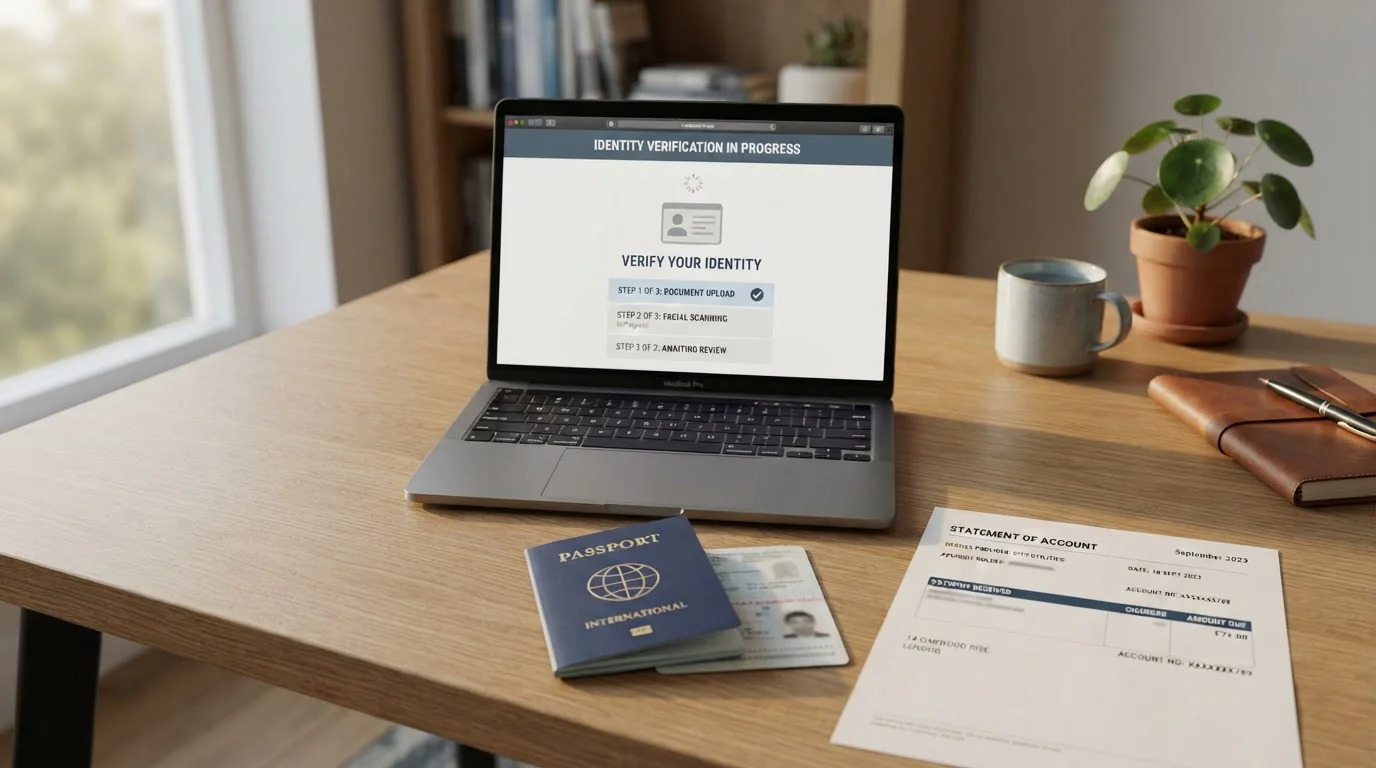
The Gambling Commission changed the rules on 7 May 2019, and that date is the whole story. Before it, operators could let you deposit and play while they confirmed your age within a grace window. After it, licensees must verify a customer’s age and identity before that customer can deposit funds, gamble, or even access free-to-play demo games. The verification is a precondition of the first deposit, not a formality that follows it. For a model whose entire pitch is "deposit first, questions never," that is a brick wall.
Strip away the branding and Pay N Play asks a casino to take your money and let you gamble on the strength of a bank login alone, with the formal identity check happening invisibly or afterwards. In the Nordics the bank login is the identity check, so there is no gap. In Britain a bank login through open banking confirms that you control the account and can authorise a payment. It does not, on its own, hand the operator a regulator-grade confirmation of your name, date of birth and address to the standard the Commission demands. The operator still has to do that verification, and it has to do it before you play. The frictionless moment the adverts sell simply has nowhere to live.
Layer on the rest of the British rulebook and the squeeze gets tighter. Every licensed operator must be signed up to GAMSTOP, the national self-exclusion scheme, and must check you against it before opening an account — impossible if there is no account and no identity. Affordability and anti-money-laundering obligations expect the operator to know its customer, monitor patterns, and intervene. The credit card gambling ban of 14 April 2020 means the funding source has to be checked too. A genuine no-account casino cannot run any of these checks, which is precisely why no genuine no-account casino holds a UK licence. The model isn’t banned by name. It is strangled by everything around it.
Can I play at a UK casino with no registration at all?
No. Every UK Gambling Commission licensee must verify your age and identity before you deposit or gamble, a rule in force since 7 May 2019. That requires an account. Sites advertising completely registration-free play to British customers are offshore and unlicensed, operating outside UK consumer and self-exclusion protections entirely.
Fast Sign-Up Is Real. No Sign-Up Is Not.
The useful distinction, the one almost every affiliate page blurs, is between fast sign-up and no sign-up. They are not the same thing, and conflating them is how readers end up disappointed or, worse, on an offshore site.
No sign-up means no account, no stored verification, no record the operator can point to when the regulator asks who you are. That is the Nordic Pay N Play experience in its purest form, and it cannot be licensed in Britain. Fast sign-up means the account still exists and the checks still happen, but the friction is squeezed down to seconds using data you already have. A bank-login deposit can pre-fill your name and address. Electronic identity verification can confirm your details against credit-reference and public records in the background the instant you submit them, so for a large share of players the "verification" is invisible and near-instant even though it absolutely took place. You registered. You just barely felt it.
That is the honest ceiling in the UK: a sign-up that takes a minute instead of ten, not a session with no sign-up at all. The best British operators have spent years shaving that minute down — pre-populated forms, soft electronic checks, document upload only when the soft check fails. For a player with a clean, verifiable identity and a straightforward bank account, the practical experience can feel close to the Nordic version. The difference is invisible when everything matches and painfully visible the moment it doesn’t, because then you are asked for a passport and a utility bill before you see a reel spin. That request isn’t the operator being difficult. It is the operator obeying a rule it cannot waive.
The Open-Banking Deposit Reality: Pay by Bank
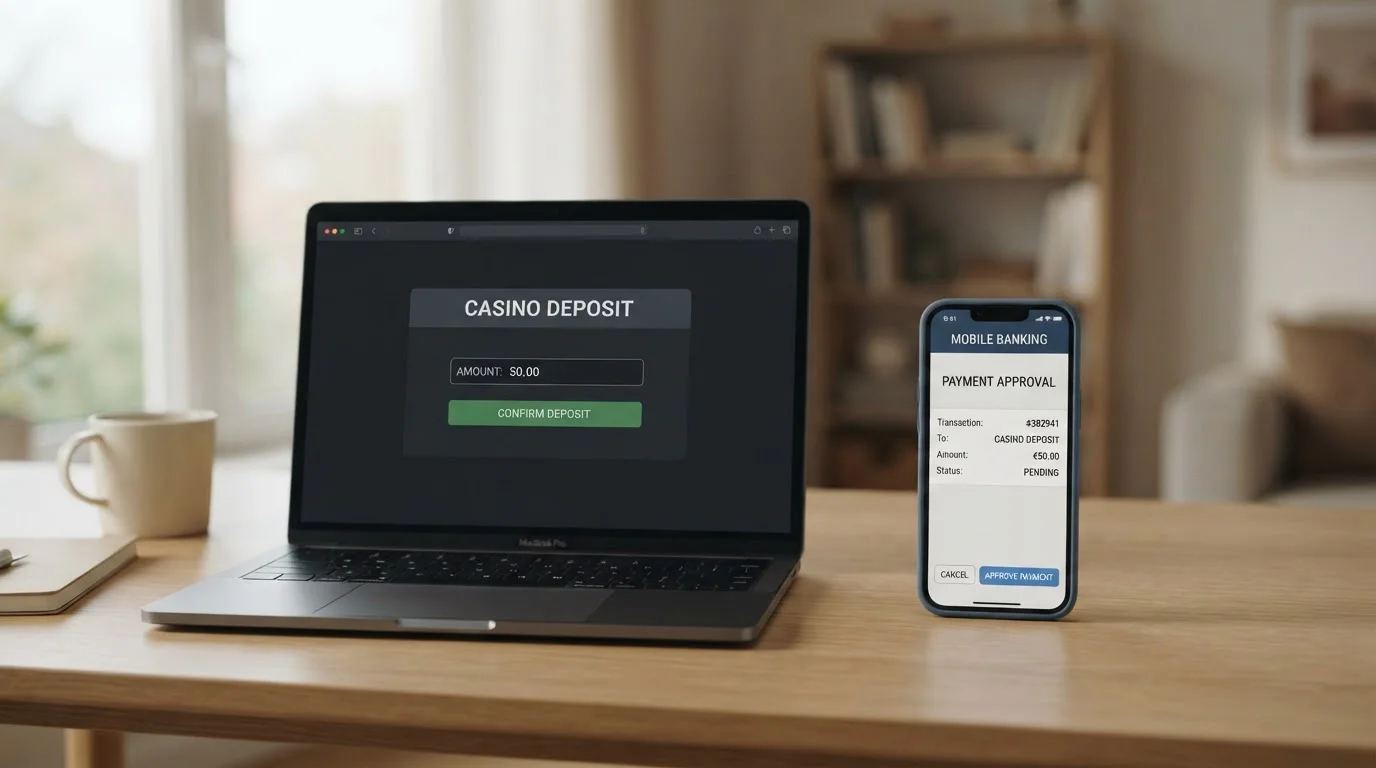
Here is the good news buried under the confusion. The deposit rail itself — bank login, instant transfer, no card in the middle — works perfectly well in Britain. It just goes by different names: Pay by Bank, Instant Bank Transfer, or simply "open banking." It runs on the same regulatory framework that the UK rolled out from 2018, overseen by the Financial Conduct Authority, which lets authorised providers initiate a payment directly from your bank account once you approve it inside your own banking app.
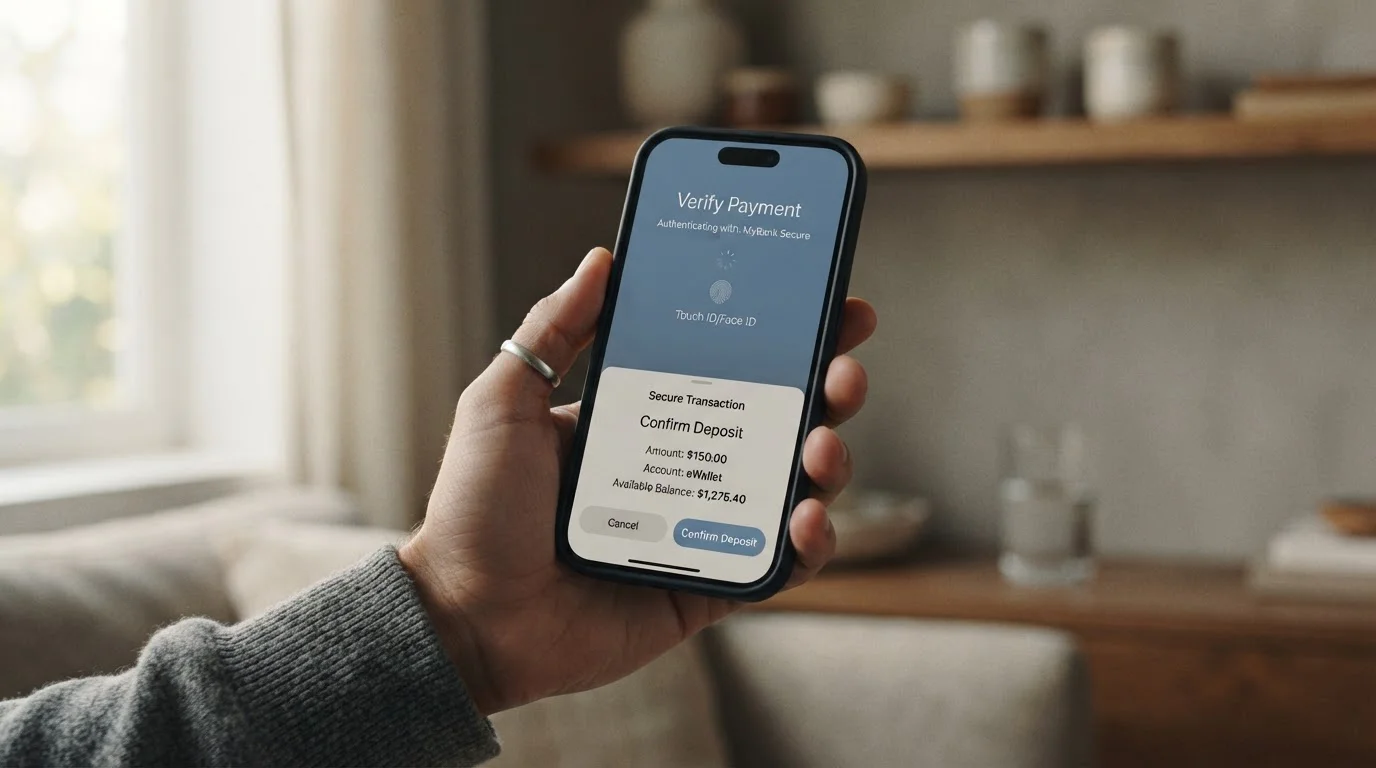
The flow is familiar to anyone who has used the Nordic version. You pick Pay by Bank in the cashier, choose your bank, approve the payment in your banking app with your usual Face ID or passcode, and the money lands in your casino balance in seconds. No sixteen-digit card number, no card behind a wallet that might expire, no third-party balance to top up first. Withdrawals can run back down the same rail, returning to the bank account the payment came from. For deposit mechanics, this is arguably cleaner than Apple Pay or a debit card, because there is one fewer intermediary.
What Pay by Bank does not do in Britain is create your account for you or let you skip the identity check. You still register, or you already registered, and the operator has already confirmed who you are. The bank rail handles the money; the operator handles the compliance. Separate those two jobs in your head and the whole landscape stops being confusing. Pay N Play, stripped of its marketing, is a bank-deposit rail plus automatic onboarding. Britain kept the rail and binned the automatic onboarding, because the automatic onboarding is the bit that breaks the law.
Is Pay by Bank the same as Pay N Play?
Partly. Pay by Bank is the open-banking deposit rail at the core of Pay N Play — bank login, instant transfer, no card. Pay N Play adds automatic, registration-free account creation on top. UK casinos offer the rail but not that layer, because a licensed operator must verify you before you play.
The Providers Behind the Model

Three names account for most of what gets marketed as Pay N Play, and knowing which is which helps you read any casino cashier honestly.
Trustly
Trustly is the originator and still the heavyweight. Founded in Stockholm in 2008, it built a direct bank-payment network across Europe long before "open banking" was a common phrase, then launched Pay N Play in 2015 as the premium, onboarding-included version of that network. It is a regulated payment institution, took majority backing from Nordic Capital in 2018, and processes deposits and withdrawals for a long list of operators. In the UK it functions as an open-banking payment provider: it moves money from your bank to the casino and back, under FCA oversight, without storing your card details because there is no card.
The nuance for a British player is that Trustly can supply the deposit rail to a UK-licensed casino without supplying the registration-free wrapper that made its name. When you see Trustly or a Trustly-powered "Instant Banking" option in a UK cashier, you are getting the bank-transfer engine, not the Nordic no-account experience. It is fast, it has no user fees at the point of deposit, and money returns to the originating bank account on withdrawal. Treat it as the best-in-class version of Pay by Bank, and ignore any affiliate breathlessly implying it lets you dodge verification. It doesn’t, not at a licensed site.
Zimpler
Zimpler is a Swedish payment company that competes directly with Trustly on the Nordic pay-n-play turf, offering a similar log-in-with-your-bank, play-immediately experience in markets that support it. It is a real, regulated provider with a solid footprint in Sweden and Finland, where the national digital identity does the heavy lifting. Its brand turns up constantly in pay-n-play roundups, which is why British players keep searching for it.
The catch is the same one that applies to the whole category. Zimpler’s signature flow leans on the same instant-KYC-via-bank mechanism that Britain’s verification rule and lack of a universal digital ID undercut. Its presence in the UK market is far thinner than in its home territory, and where it does appear it is as a payment option inside an already-registered account, not as a passport around sign-up. If a site claims a full Zimpler pay-n-play, no-registration experience for UK customers, that is a strong signal you are looking at an offshore operator rather than a Commission-licensed one. Verify the licence before you verify anything else.
Brite and the Open-Banking Challengers
Brite Payments, founded in 2019 by people who cut their teeth at Trustly, is the most visible of a wave of newer open-banking providers chasing the same instant bank-to-bank niche across Europe. There are others circling the space, all promising fast account-to-account transfers that bypass cards. For deposits and withdrawals, these challengers are genuinely useful and genuinely growing, and some of that growth touches the UK through the open-banking framework.
For the specific question of registration-free gambling, though, they change nothing. A faster, cheaper bank rail is still a bank rail. It makes the deposit smoother; it does not make the identity check optional. The honest framing is that the payments side of Pay N Play is competitive and improving in Britain, with Trustly, Brite and others pushing instant bank transfers forward, while the onboarding side remains fixed by regulation at "you must register and verify first." Expect the deposit experience to keep getting slicker. Do not expect the sign-up to vanish.
UK-Licensed Casinos With Bank-Login Deposits and Fast Onboarding
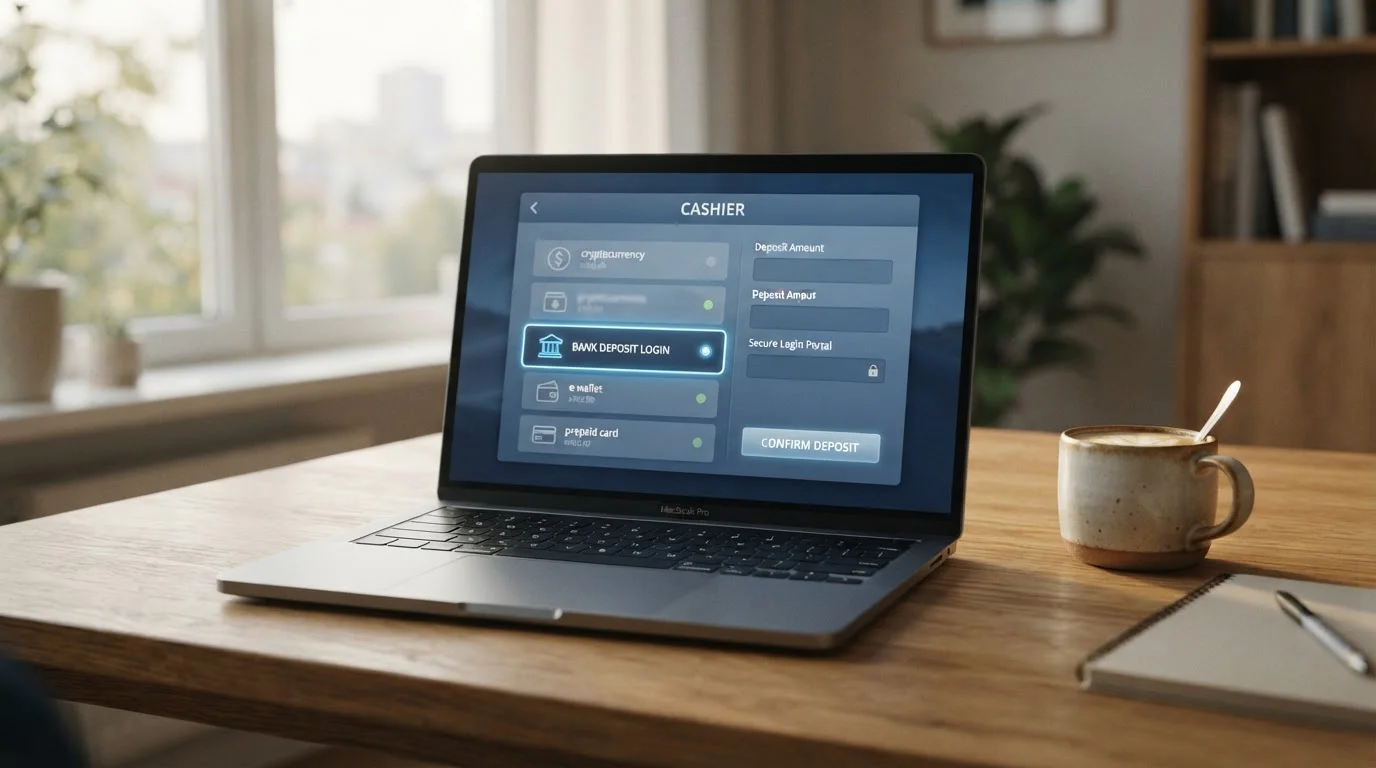
No British operator sells a "Pay N Play" button in the Nordic sense, so a comparison table of them would be fiction. What follows instead is a set of UKGC-licensed casinos that deliver the realistic British version: a bank-login or instant-bank-transfer deposit paired with onboarding squeezed as close to instant as the rules allow. The table covers the parameters that actually differ between them; the breakdowns after it explain the trade-offs.
| Operator | Licence (UKGC) | Withdrawal speed | Minimum deposit | Distinguishing feature |
|---|---|---|---|---|
| bet365 | Hillside (New Media) 000-039372-R-319319-001 | Bank/card often same day for verified accounts | £5 | Widest method list; bank transfer and open-banking options alongside cards |
| LeoVegas | 000-039426-R-319410 | 1–3 days to bank; e-wallets faster | £10 | Mobile-first flow with Trustly-powered open-banking deposits |
| Casumo | 000-039426-R-319408 | Same day via bank rail once verified | £10 | Account-to-account deposits without a card intermediary |
| Sky Vegas | 000-039372-R-319315 | Pay by Bank returns often within hours | £5 | Native Pay by Bank option built into the cashier |
bet365
bet365 is the pragmatic starting point because it carries almost every funding route a British player might want under one roof, bank-transfer and open-banking options included. The operator runs under Hillside (New Media) Ltd with a UKGC remote licence, was founded in Stoke-on-Trent in 2000 by Denise Coates, and has the payment infrastructure to back a £5 minimum across most methods. If your goal is a card-free deposit straight from your bank, bet365 supports it without forcing you onto an e-wallet first.
What bet365 does not do is let you skip the account. You register once, pass the identity check — which for a cleanly verifiable customer often clears in the background within moments — and from then on the bank-deposit experience is close to frictionless. Verified accounts frequently see withdrawals processed the same day, which matters more than deposit speed since every method deposits instantly anyway. For a player chasing the practical benefits of Pay N Play rather than the no-registration gimmick, bet365’s breadth makes it the safe default.
LeoVegas
LeoVegas built its reputation on mobile and still leads there, which suits the bank-login deposit flow well because the whole point of open banking is approving a payment inside your phone’s banking app. The Swedish-founded operator entered the UK in 2013, was acquired by MGM Resorts in 2022, and holds UKGC licence 000-039426-R-319410. Its cashier includes Trustly-powered open-banking deposits alongside cards and e-wallets, so the Nordic deposit rail is present even though the Nordic onboarding is not.
The trade-off is the standard British one. You sign up and verify before you play, with the mobile flow designed to make that as quick as the rules permit. Deposits via the bank rail are instant and card-free; withdrawals route back to your account, typically within one to three days, with LeoVegas’s e-wallet payouts running faster than its bank returns. For someone who wants the closest thing to "log in with my bank and go" on a phone, from a brand with a long UK track record, LeoVegas is a sensible pick — provided you accept that the first minute is a sign-up, not a bypass of one.
Casumo
Casumo is the operator that most visibly favours account-to-account bank payments over card deposits, which is exactly the texture Pay N Play fans are chasing. Launched in Malta in 2012 and holding UKGC licence 000-039426-R-319408, it leans on the open-banking rail so you can fund play straight from your bank without a card sitting in the middle. Deposits are instant; withdrawals down the same rail clear the same day once your account is verified, which is as fast as the British framework realistically gets.
The gamified wrapper Casumo is known for is beside the point here. What matters for this topic is that its deposit philosophy — bank first, card optional — mirrors the deposit half of Pay N Play more closely than most rivals. The onboarding half is still a full UKGC registration with age and identity verification up front. Treat Casumo as proof that the bank-deposit experience can be smooth and card-free in Britain, and as proof that even the most bank-centric licensed operator still cannot, and does not, let you skip the sign-up.
Sky Vegas
Sky Vegas is worth naming because it bakes Pay by Bank directly into its cashier as a first-class option rather than burying it. Part of Flutter Entertainment and holding UKGC licence 000-039372-R-319315, it offers the open-banking deposit alongside debit cards and keeps its minimum at £5. Pay by Bank withdrawals often return to your account within hours, which is quicker than the one-to-three-day card norm and closer to the instant-feel the Pay N Play crowd expects.
Again, the deposit is the easy part. Sky Vegas verifies you at sign-up like every other licensee, and the welcome mechanics are the usual spins-after-a-qualifying-deposit structure rather than anything exotic. The reason it earns a slot here is that its implementation of the bank rail is clean and prominent: for a player who specifically wants to deposit and withdraw by bank login rather than card, the option is front and centre, not hidden three screens deep. That is the realistic British dividend of the Pay N Play era — a good bank-deposit experience, wrapped in an ordinary, fully-verified account.
Which UK casinos get closest to the Pay N Play experience?
None offer true no-registration play, but bet365, LeoVegas, Casumo and Sky Vegas all provide the bank-login deposit rail at the core of Pay N Play, paired with onboarding squeezed close to instant. Casumo and Sky Vegas lean hardest into account-to-account bank payments, so their cashiers feel nearest to the Nordic flow once you are verified.
How a Bank-Deposit, Fast Sign-Up Session Actually Works
Walk through it once and the mystery evaporates. You pick a UKGC-licensed casino, hit register, and enter your details. The operator runs a soft electronic identity check against credit-reference and public records in the background. For most people with a stable address and a standard bank account, that check clears in seconds, and you are through to the cashier without uploading a single document. The sign-up happened; it just didn’t feel like a chore.
In the cashier you select Pay by Bank, Instant Bank Transfer, or a Trustly-powered option where the operator offers one. You choose your bank from the list, get handed to your own banking app or secure web login, and approve the payment with whatever authentication your bank uses — usually a biometric or a passcode. The money leaves your account and credits your casino balance in seconds. There was no card number to mistype and no e-wallet to fund first. This is the part that genuinely feels like Pay N Play, and it is available right now in Britain.
The only point where a British session diverges sharply from the Nordic one is if that background identity check cannot confirm you automatically. Then the operator asks for a photo ID and proof of address before you deposit or before you withdraw, and you are stuck uploading documents. It is worth doing that upload the moment you register rather than waiting until you want your winnings, because the request is not optional and it is not negotiable. Clear it early and every later deposit and withdrawal runs clean. Leave it until payout day and you will stew while the "instant" withdrawal waits on your passport scan.
Withdrawals: Where the Bank Rail Earns Its Keep
Deposits are instant on almost every method, so deposit speed is a weak basis for choosing anything. Withdrawals are where methods separate, and this is where the bank rail behind Pay N Play actually pulls ahead. Because open-banking payouts go straight back to the bank account the deposit came from, they skip the card-refund shuffle that makes Apple Pay and debit-card withdrawals crawl for one to three days. Several operators clear bank-rail withdrawals the same day, and some within hours of approval, once your account is verified.
Two layers still govern the timing. The first is the operator’s own pending period — the review window before it releases the funds — which varies from near-instant for a trusted, verified account to a day or so at slower sites. The second is settlement, and here the bank rail has the edge over cards because the money moves account-to-account rather than queuing behind the card networks’ overnight batch processing. There is no wallet sitting in the middle holding your balance either, which is a double-edged thing: faster, but with none of the ring-fencing some players like about keeping winnings in a separate e-wallet.
The one hard gate on any first withdrawal is verification, and it is the same gate as always. A UKGC operator will not release your first payout until your identity is confirmed, so if you dodged the document upload at sign-up it lands on you now. This is the recurring theme of the entire topic: the money mechanics are fast and modern, and the compliance mechanics are non-negotiable. The bank rail makes the "pay" part of Pay N Play excellent in Britain. It does nothing to speed up the part the regulator controls.
How fast are Pay N Play and Pay by Bank withdrawals in the UK?
Once your account is verified, bank-rail withdrawals are among the quickest options — frequently same day, sometimes within hours, because funds move account-to-account and skip card-network settlement. The variable is the operator’s pending-review window, not the rail. A first withdrawal is always slower, since identity verification must complete before any payout is released.
Limits, Minimums and Fees
Minimum deposits on the bank rail sit where the rest of the market does: £5 at operators like bet365 and Sky Vegas, £10 at the likes of LeoVegas and Casumo. There is no premium for using open banking over a card; the minimum is a function of the operator, not the method. Maximums track your account’s verification status and the operator’s risk thresholds rather than anything Pay N Play imposes. An unverified or newly opened account carries tighter ceilings; completing enhanced checks lifts them.
Fees are the easy part. Open-banking deposits carry no user fee at the point of payment, and UKGC licence conditions bar operators from charging you to deposit or withdraw. What you move is what arrives. Because there is no card and no third-party wallet, there is also no card-issuer surcharge or wallet-to-bank transfer fee of the kind that eats into Skrill or Neteller withdrawals. The bank rail is about as clean on cost as British casino banking gets.
The one ceiling worth checking sits at your bank, not the casino. If your bank caps daily online or faster-payment transfers, that cap applies no matter how generous the operator is. Affordability checks add another layer: the Commission’s framework expects operators to seek evidence of income or source of funds once your losses cross certain thresholds over a rolling period, and that can hold up larger deposits or withdrawals until you provide it. None of this is specific to the bank rail. It is the standard British backdrop that any deposit method plays against.
Bonuses and Wager-Free Offers With Bank Deposits
Bank-rail deposits generally qualify for welcome offers at the operators that take them, because an open-banking transfer behaves like a debit-card deposit for bonus purposes rather than like a flagged e-wallet. The usual e-wallet exclusions that trip up Skrill and Neteller users rarely bite here, which is a quiet advantage of funding by bank. Read the specific terms before you deposit anyway, because an operator can scope an offer however it likes and the written terms sometimes lag the technical reality.
The bigger shift is market-wide and in players’ favour. Wagering requirements at UKGC-licensed sites were capped at 10x from 19 January 2026, killing off the 35x-to-40x playthroughs that used to make a "bonus" a polite word for a trap. Several operators now run genuinely wager-free spins, where winnings land as withdrawable cash with no rollover at all. A bank-rail deposit is eligible for those cleaner offers at most sites that run them, so the frictionless-deposit crowd is not penalised on the bonus front.
Keep the cynicism switched on regardless. A "free" spins package is still bait designed to get you depositing and playing, and the house edge does not take the day off because the wagering is low. The 10x cap and the wager-free trend make the offers less predatory than they were, not charitable. If a site is still waving a 35x requirement at you in 2026, it is either offshore or running an ad it forgot to update — and either way it has told you something useful about how closely it follows the current British rules.
"Pay N Play Casinos Not on GAMSTOP": The Offshore Trap

A large chunk of the search traffic around this topic is really asking one thing: where can I play Pay N Play without GAMSTOP or verification? The honest answer is that no safe, licensed option exists, and the question itself is often a warning sign. GAMSTOP has been a mandatory licence condition for UKGC remote operators since 2020. A licensed casino cannot opt out of it, and it cannot create your account without checking you against it, which requires the very identity it supposedly lets you skip. "Licensed Pay N Play not on GAMSTOP" is a contradiction in terms.
Sites that genuinely offer registration-free, GAMSTOP-free, verification-free play are offshore, running on licences from jurisdictions that do not answer to the Commission, or on no meaningful licence at all. They are outside UK consumer protection entirely. There is no segregated-funds guarantee you can rely on, no British regulator to escalate a withheld payout to, no enforced self-exclusion, and often no realistic recourse when a withdrawal is "under review" for the third week running. The frictionless sign-up you were sold becomes a frictionless way to hand your money to a site that owes you nothing.
If the appeal of a no-verification site is specifically that it sidesteps GAMSTOP, that is worth sitting with honestly, because GAMSTOP exists for exactly the person looking to get around it. Chasing an offshore workaround to keep gambling after you have self-excluded is pouring petrol on a fire you already lit for good reason. The National Gambling Support Network runs a free, confidential helpline on 0808 8020 133, and GamCare offers online chat. Both help you hold the line rather than find a way past it. The licensed British market is slower to sign up to precisely because it is built to protect you; the offshore "convenience" is the absence of that protection, dressed up as a feature.
Are there Pay N Play casinos not on GAMSTOP in the UK?
Not safely or legally. GAMSTOP has been a mandatory UKGC licence condition since 2020, so any licensed operator must enrol you and check you against it — which needs the verification Pay N Play claims to skip. GAMSTOP-free Pay N Play sites are offshore and unlicensed, with no UK protection or recourse.
Safety, Licensing and Open-Banking Security
The reassuring part of this whole story is that the deposit rail Pay N Play is built on is one of the more secure ways to move money. Open banking in the UK is overseen by the Financial Conduct Authority, and an authorised payment provider initiating a transfer never receives your banking password or stores it. You authenticate inside your own bank’s app or secure portal; the provider gets a one-time authorisation to move a specific amount, not a key to your account. There is no card number for a casino database to leak, because there is no card. Compared with typing a sixteen-digit debit card into a cashier form, the bank rail exposes less.
Stack the UKGC layer on top and a licensed, bank-deposit casino is a well-protected place to play, even if it is a slower one to join. A Commission licence obliges the operator to verify your age and identity, enrol you in GAMSTOP, segregate your funds from its operating cash, run anti-money-laundering monitoring, offer deposit limits and time-outs, and submit to audits and enforcement. You can confirm any operator’s status on the Commission’s public register; if a site claiming a UK licence is not listed, it is not licensed here, whatever its footer says. The friction you resent at sign-up is the visible edge of all that machinery.
The trade-off is philosophical as much as practical. The Nordic Pay N Play experience optimises for speed and minimal friction, leaning on a national digital identity to make verification invisible. The British system optimises for protection and traceability, and without a universal digital ID it cannot make verification invisible, so it makes it quick instead and refuses to make it optional. Neither approach is wrong. They are different answers to the question of how much you should have to prove before a stranger takes your bet. Britain’s answer is simply "more, and up front," and the bank rail lives comfortably inside that answer even though the no-account wrapper never could.
Is a Pay by Bank casino deposit safe in the UK?
Yes. The open-banking rail is FCA-overseen, and the payment provider never sees or stores your banking password — you approve a one-time transfer inside your own bank’s app, with no card number to leak. Paired with a UKGC licence that mandates fund segregation and verification, a bank-deposit casino is well protected.
Alternatives When You Want Speed Without the Faff
If the appeal of Pay N Play was the fast, card-free deposit rather than the no-registration gimmick, Britain gives you several ways to get most of it. The table weighs the realistic options against the two things that actually matter: how the deposit feels, and how the money comes back.
| Method | Deposit feel | Withdrawal route | Best for |
|---|---|---|---|
| Pay by Bank / open banking | Instant, bank-login, no card | Straight back to bank, often same day | Closest to the Pay N Play rail |
| PayPal | Instant, one approval | To PayPal balance, often within hours | Fast payouts, bonus eligibility |
| Apple Pay / Google Pay | Instant, biometric tap | Back to the card behind the wallet, 1–3 days | iPhone or Android users wanting speed on deposit |
| Debit card | Instant, type the details | Card refund, 1–3 days | Universal fallback, no app needed |
| Pay by mobile | Instant, charged to phone bill | Not supported for withdrawals | Tiny top-ups, strict daily caps |
Pay by Bank is the obvious heir to the Pay N Play deposit experience, and if your chosen operator offers it, it is the natural pick. PayPal is the strongest all-rounder when withdrawal speed and bonus access both matter, since payouts land in the wallet fast and the method usually qualifies for offers. Apple Pay and Google Pay replicate the tap-and-go deposit feel but route withdrawals the slow way, back to the underlying card. A plain debit card remains the universal fallback that works everywhere with no app or wallet in the chain. Pay by mobile is a niche within a niche — handy for a fiver charged to your phone bill, useless for taking winnings out, and capped hard for good reason.
The through-line is that none of these ask you to skip registration, because none of them can at a licensed site. They differ only in how the money moves. Choose on withdrawal behaviour, since every one of them deposits instantly, and let the sign-up be the fixed cost it always is in Britain.
What is the best alternative to Pay N Play for UK players?
Pay by Bank is the closest match, with the same bank-login, card-free deposit and fast account-to-account withdrawals at UKGC-licensed sites. PayPal is the best all-rounder for payout speed and bonus access. All require a verified account — the registration-free part of Pay N Play has no safe, licensed equivalent in Britain.
Is Pay N Play Available in the UK Right Now?
The answer depends entirely on which half of Pay N Play you mean, and that is why the straight-sounding question has caused so much confusion. The deposit rail — bank login, instant transfer, no card — is available in Britain in 2026, branded as Pay by Bank or instant bank transfer and offered by a reasonable spread of UKGC-licensed operators. The registration-free, verification-free, account-free experience that made Pay N Play famous in the Nordics is not available at any licensed British site, and nothing on the regulatory horizon suggests it will be.
That split is stable rather than temporary. The verification-before-play rule has held since 2019, GAMSTOP enrolment has been mandatory since 2020, and the 2023 reforms tightened the surrounding obligations rather than loosening them. Britain has no national digital identity of the BankID type that made instant invisible verification possible in Sweden, and until that changes, the onboarding half of Pay N Play has no legal room to exist here. Betting on a no-account licensed casino appearing in Britain is betting against the entire direction of UK gambling policy.
So treat the lists promising "Pay N Play casinos UK" with a cold eye. Where they point to licensed operators offering bank-login deposits and fast sign-up, they are describing something real and worth using. Where they promise no registration, no verification, or no GAMSTOP at a site serving British players, they are describing an offshore operator and quietly leaving out the part where you lose every protection the licensed market gives you. The technology arrived. The shortcut around the rules did not, and in Britain that is by design.
Is Pay N Play legal and available in the UK in 2026?
The bank-deposit rail behind it is legal and available in 2026 as Pay by Bank at UKGC-licensed casinos. The registration-free version is not, because the Commission requires age and identity verification before play. Sites offering true no-account Pay N Play to UK customers are unlicensed offshore operators outside UK protection.
Written by the editors at Payments-casino-uk.