Mobile Casinos That Let You Pay With Phone Credit — the UK Reality Check for 2026
 Available in GB

Paying with phone credit at a UK casino means one thing in practice: the deposit is charged to your mobile account instead of a bank card. If you are on pay-as-you-go, it comes straight off your prepaid balance. If you are on a contract, it lands on next month’s bill. No card number, no bank login, a text message to confirm, and the money is in your casino balance in seconds. That is the whole trick, and the rest of this page is about the parts the ranking sites tend to skate over.
The appeal is obvious. Small, fast, private, and hard to overspend on. The catches are just as real, and there are three of them worth knowing before you deposit a penny: the minimum is £10 almost everywhere, most sites skim a flat fee off every top-up, and you can never, ever pull your winnings back to your phone. Get those straight and phone credit becomes one of the tidier ways to fund a UK account. Miss them and you will feel it at withdrawal.
There is also a smaller, sharper truth hiding in the operator lists. The market looks like dozens of competing casinos. It is mostly two companies. Sort out which is which and the choice stops being overwhelming.
A note on how to read the rest of this page. The order is deliberate: what the method is, how it works, what it costs, where it sits legally, then the sites — because the sites only make sense once you understand the fee and the cap that shape all of them. If you have landed here purely for the list of casinos, the section on who charges what is the one you want; but the two-minute detour through the fee maths will change which of those sites you actually pick. Almost everything that separates a good phone-credit choice from a bad one comes down to cost and the withdrawal rail, and neither shows up in a welcome banner.
Table of Contents
- What "paying with phone credit" actually means at a UK casino
- How a phone-credit deposit works, step by step
- The money: limits, fees and what a deposit actually costs
- The UKGC picture — why phone credit sits where it does after the credit-card ban
- The casinos that take phone credit in 2026 — and who charges what
- Phone-credit slots — what you can actually play
- Getting paid — why winnings never go back to your phone
- Who phone-credit casinos actually suit (and who should skip them)
What "paying with phone credit" actually means at a UK casino
Strip away the marketing and phone credit is direct carrier billing. Your mobile network already has a mechanism for putting charges on your account — that is how a parking app or a premium text works — and a casino simply plugs into it. You tell the cashier your number and an amount, your network confirms it with a one-time code, and the charge attaches to your account. The casino never touches your bank.
But "phone credit" splits into two things that behave very differently, and this is the distinction almost nobody spells out. On pay-as-you-go, you are spending prepaid credit — money you already handed over when you topped up. It is yours, it is finite, and when it runs out, it runs out. On a contract, the same deposit is deferred: it appears on the bill you pay at the end of the cycle, alongside your data and your calls. Same button in the cashier, very different relationship with your money. One is spending; the other is a short, quiet loan from your network to yourself.
Why labour the point? Because it decides how safe the method is for you personally. Prepaid credit is a natural brake — you cannot spend telecoms money you have not bought. Bill-based deposits feel identical in the moment but stack up out of sight until the statement arrives. Neither is wrong. Knowing which one you are actually using is the difference between a controlled habit and a nasty end-of-month surprise.
The other thing to fix in your head early: this is a deposit rail and nothing more. It does not pay your phone bill, it does not hand out rewards, and it does not run in reverse. Search results are littered with people apparently hoping a casino will credit their mobile account. That is not a product. Phone billing carries money one direction — into the casino — and stops there.
Who sets the rules here
Two authorities sit behind every phone-credit deposit. The casino itself must hold a UK Gambling Commission licence to take a bet from anyone in Britain, licensed or not it does not get to operate. On top of that, the charge-to-bill itself is governed as a phone-paid service, the same regime that keeps premium-rate texts and app billing in check. That second layer is why the limits are so low compared with a debit card: telecoms billing was never designed to move large sums, and the rules keep it that way on purpose.
What is the difference between PAYG phone credit and adding it to my monthly bill?
On pay-as-you-go the deposit comes off prepaid credit you already own, so you can only spend what is loaded. On a contract the same deposit is added to next month’s bill and paid later. The cashier looks identical; the difference is whether you are spending now or deferring the cost.
How a phone-credit deposit works, step by step
The flow is genuinely quick, and the speed is the selling point. From cashier to funded account is under a minute, and you touch neither a card reader nor a banking app at any stage. Here is the whole sequence, start to finish.
- Pick a UKGC-licensed site and open the cashier, then choose Pay by Mobile, Pay by Phone, or the provider name shown (often Fonix).
- Enter your mobile number and the amount you want — £10 is the floor at every UK site worth listing.
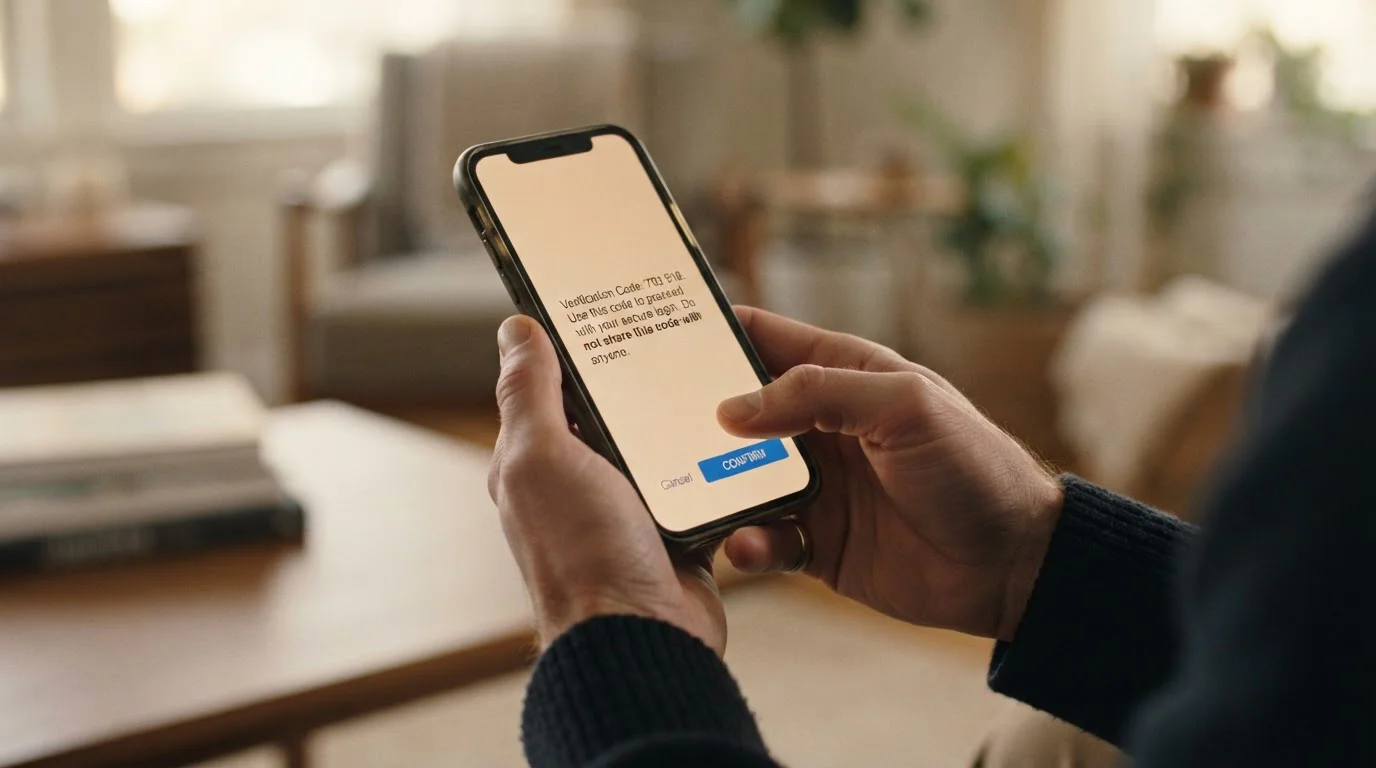
- Confirm the one-time code texted to you. That code is the security check, so a lost or stolen phone cannot be used to top up without it.
- The deposit lands instantly. The charge shows on your next bill or comes off your PAYG credit, and you are playing.
That is it. No account-to-account transfer, no waiting for a card to clear, no handing your long card number to a site you opened four minutes ago. For a small, impulsive top-up it is hard to beat on friction. The one-time code deserves a line of respect too: it quietly makes the method safer than a saved card, because possession of the phone alone is not enough to move money.
Fonix, Boku and the rails behind the cashier
The names in the cashier get used interchangeably, and they should not be. Fonix is the rail powering most UK phone-credit casinos in 2026, and it usually hides behind a plain "Pay by Mobile" button rather than its own branding. Boku is the other major carrier-billing provider, more common at large mainstream brands than at the white-label slot sites. Payforit — the old charge-to-bill scheme a lot of guides still list — is effectively retired, its functions absorbed into the networks and into Boku and Fonix; if a page presents it as a live, separate option in 2026, that page is out of date. Zimpler, meanwhile, has drifted toward pay-by-bank and now behaves more like an instant bank transfer than a phone charge, so treating it as "phone credit" is a stretch.
Knowing the rail matters for one practical reason: it tells you what fee and cap to expect before you commit. The provider is the plumbing; the operator decides what to charge on top. Which brings us to the money.
There is a coverage wrinkle worth knowing, too. Carrier billing depends on your network supporting it and on your account being in good standing, which is why the method occasionally simply does not appear in a cashier. All four host networks — EE, O2, Three, Vodafone — support charge-to-bill, and the crowd of virtual operators that piggyback on them (giffgaff and Sky ride O2, Tesco Mobile rides O2, Voxi is Vodafone, and so on) usually inherit it. But a brand-new contract, an account with an unpaid balance, or a network-level bar on premium billing can all quietly switch it off. If Pay by Mobile is missing at the deposit stage, the cause is almost always your account rather than the casino, and a quick call to your provider to confirm charge-to-bill is enabled fixes it more often than switching sites does.
A word on business phones, because it catches people out. If your handset is on a company or family contract you do not personally settle, a casino charge lands on someone else’s bill — awkward at best, a policy breach at worst. Phone credit is only clean when the account is yours and the money, prepaid or billed, is genuinely coming out of your own pocket.
Is depositing with phone credit safe, and which networks work?
It is safe in the sense that matters: no card or bank details reach the casino, and every deposit needs a one-time SMS code. All four UK networks — EE, O2, Three, Vodafone — support it, and most MVNOs that ride them (giffgaff, Tesco Mobile, Sky) work too. The real risk is not fraud but overspending on a contract bill without noticing.

The money: limits, fees and what a deposit actually costs
Phone credit is built for small, controlled spend, and the numbers make that plain. Expect a per-transaction limit somewhere between £10 and £30, and an effective daily cap of £30 at most UK sites. That ceiling is not the casino being mean. It sits below the wider charge-to-bill limits — roughly £40 a day and £240 a month across your telecoms account — and on top of any deposit limit you have set yourself. For a lot of players the low cap is the entire appeal: a hard brake a debit card will never give you. If £30 a day is not enough for you, phone credit is not your method, and that is a design choice, not a fault.
The minimum is where hope meets reality. Every site worth trusting sets the floor at £10. You will find pages advertising "£5" phone-credit casinos, and you will find searches chasing them, but in the licensed UK market of 2026 the £5 phone-credit deposit has quietly gone extinct. Assume £10 and you will not be caught out.
The £2.50 flat fee, in real percentages
Here is the part most guides go quiet on. Depositing by phone credit is not always free, and when it costs, it costs in a way that punishes small top-ups. The bulk of the market runs on one platform that adds a flat £2.50 to every phone-credit deposit — not the payment rail’s charge, but the operator’s. Because it is a fixed amount rather than a percentage, it bites hardest exactly when you are being sensible and depositing small.
Run the maths and the "15 to 25 percent" figure rival sites mutter turns out to be, on a £10 deposit, precisely accurate.
| You deposit | Flat fee | Fee as a % | You actually pay |
|---|---|---|---|
| £10 | £2.50 | 25% | £12.50 |
| £20 | £2.50 | 12.5% | £22.50 |
| £30 (daily cap) | £2.50 | 8.3% | £32.50 |
Two ways to soften it. The obvious one: pick a site that charges nothing — there is a small fee-free network, and it is named further down. The less obvious one: if you are staying on a fee-charging site anyway, deposit closer to the £30 cap so the flat £2.50 becomes a smaller slice. Top up £10 three times and you have paid £7.50 in fees; deposit £30 once and you have paid £2.50 for the same bankroll. Frequent small deposits are where this fee quietly eats you alive.
It helps to put the fee in context against the alternatives, because a card deposit at the same sites is free. Fund £10 by debit card and £10 reaches your balance; fund £10 by phone credit at a Jumpman site and £7.50 of value does. Over a month of casual play, a fiver here and a tenner there, the phone-credit premium can quietly out-cost a modest losing session. That is the honest trade: you are paying the £2.50 for privacy, for keeping a card out of the casino, and for the hard cap — not because phone credit is cheaper. It is not. It is more controlled, which for the right player is worth more than the money, and for the wrong player is just a tax on convenience.
None of this applies to the fee-free network, which is exactly why it leads the operator list. If you want the privacy and the cap without the premium, the answer is not a clever deposit tactic — it is simply choosing a site that does not charge in the first place.
Is a £5 phone-credit casino real in 2026?
Not at any UKGC-licensed site worth using. The floor has settled at £10 across the market, and pages still advertising a "£5" phone-credit deposit are either out of date or leaning on a headline the cashier will not honour. Set your expectations at a £10 minimum and treat anything lower as a reason to check the licence twice.
The UKGC picture — why phone credit sits where it does after the credit-card ban
To understand why phone credit exists as a category at all, you have to go back to 14 April 2020. On that date the Gambling Commission banned the use of credit cards for gambling across every licensed operator — online and on the premises — and the ban reached through e-wallets funded by credit too. Debit cards stayed. Credit was out. The stated reason was blunt: stop people gambling with money they have not got. That rule is still fully in force in 2026.
Now hold phone credit up against it. Pay-as-you-go credit is prepaid — you bought it before you spent it, so it is your money, not borrowed money. It slots neatly on the right side of the 2020 logic. A contract phone bill is greyer: you spend now and settle later, which is functionally a short deferral, even if it is your own network doing the lending rather than a card issuer. Carrier billing itself was never banned, and the low charge-to-bill ceilings keep the sums small enough that regulators have left it alone. But the distinction from earlier is not academic. If the entire point of the credit-card ban was to keep gambling off borrowed money, PAYG phone credit honours that far more cleanly than a contract deposit does.
This is also where the "no deposit" confusion needs clearing up, because two completely different ideas share those words. A "no-deposit bonus" is a small promotional freebie — a handful of free spins for registering — that some sites attach after you verify a card, and it has nothing to do with the payment rail. Several of the sites further down offer exactly this: five spins on a named slot before you fund anything, unlocked once you confirm a debit card for identity. Useful as a taster, negligible as a windfall, and hedged with wagering on anything you win. A "no deposit phone credit casino," read literally, would be a site that pays you rather than the other way round. That does not exist and never has. If a page dangles the phrase as if it were a payment method, close the tab.
The regulator’s fingerprints are on the low limits too, and it is worth understanding why. Affordability and safer-gambling rules have pushed UK operators toward checks on how much a player deposits and how often, and a method with a hard £30 daily ceiling sidesteps a lot of that friction by design — it is difficult to deposit an alarming sum by phone in the first place. That is part of why the category survives and even thrives in a tightening market: it is inherently low-harm in a way regulators are comfortable with. The flip side is that anyone trying to use it at scale runs straight into the ceiling, which is the point.
Does the credit-card gambling ban affect paying with phone credit?
No. The 2020 ban targets credit cards, not carrier billing, so phone-credit deposits remain allowed at UKGC-licensed sites. Pay-as-you-go credit is prepaid money you already own, which sits comfortably within what the ban set out to achieve. A contract phone bill defers the cost, but the network — not a card issuer — carries it, and the method itself was never prohibited.
The casinos that take phone credit in 2026 — and who charges what
Time for the part you came for, with the caveat that reframes the whole list. Scroll any "top phone-credit casinos" page and you will see thirty, forty, sixty names. It reads like a crowded, competitive market. It is not. Almost every phone-credit casino serving UK players in 2026 runs on one of two platforms, and once you see that, the noise resolves into a simple choice.
On one side sits a large white-label machine: a single operator running well over a hundred branded sites off one platform, all sharing the same wallet, the same £2.50 fee, the same £10 minimum, the same £30 cap, the same wagering. On the other side sits a much smaller network that charges nothing to deposit by phone. You are not really picking between sixty casinos. You are picking a network first, then a theme.
How we read this list
The order below is by relevance to the phone-credit question, not by bonus size. Cost comes first, because a flat fee on every deposit is the single biggest thing that separates these sites in daily use — a "free" £25 match means little if you are paying 25 percent to fund it. Every operator named carries a UKGC licence, quoted so you can check it on the public register yourself; a two-second search of the licence number on the Commission’s site confirms an operator is genuinely licensed and not a lookalike domain trading on a real brand’s name. Where a site has a rough withdrawal reputation, that is said plainly rather than buried under a welcome offer. Seven sites are singled out below, but they stand in for the whole field: the fee-free trio is the entire fee-free market, and the four Jumpman brands represent every one of the 150-plus clones behind them.
| Operator | Network / UKGC licence | Withdrawal via | Minimum deposit | Distinguishing feature |
|---|---|---|---|---|
| Oreels | Betable, UKGC 23328 | Debit card / bank | £10 | No deposit fee, 100% match up to £25 |
| Ivy Casino | Betable, UKGC 23328 | Debit card / bank | £10 | No deposit fee, slick app, 25% up to £50 |
| Bet442 | Betable, UKGC 23328 | Debit card / bank | £10 | No fee, sports-led, no-wagering free bets |
| Thor Slots | Jumpman, UKGC 39175 | Debit card / bank | £10 | Deepest slots library, ~24h ID checks |
| Pay By Mobile Casino | Jumpman, UKGC 39175 | Debit card / bank | £10 | Textbook Jumpman terms, Fonix rail |
| Barbados Bingo | Jumpman, UKGC 39175 | Debit card / bank | £10 | Bingo rooms from 10p |
| Cozino | Jumpman, UKGC 39175 | Debit card / bank | £10 | Table and live tilt, 100% up to £200 |
The table is the map. The breakdowns below are the territory — because a row cannot tell you which of these actually suits how you play.
The fee-free network: Betable
Betable Limited holds UKGC licence 23328 and runs three phone-credit sites — Oreels, Ivy Casino and Bet442 — that share one rare trait: they charge nothing to deposit by phone. In a market where the default is a £2.50 skim on every top-up, that is not a minor perk. On a £10 deposit it is the difference between playing with £10 and playing with £7.50 of value. If cost is your first filter, and for a low-stakes phone-credit player it should be, this is where the list starts.
Oreels
Oreels is the editor’s pick of the fee-free trio, and the reason is arithmetic rather than glamour. A £10 phone-credit deposit funds your account with exactly £10, no fee shaved off, and the welcome offer is a 100% match up to £25 — so a modest first deposit is doubled outright. For someone testing phone credit for the first time with a tenner, that combination of zero fee and a full match is the cleanest entry point on the whole page. Nothing here is dressed up as a "gift"; it is simply the least-taxed way in.
The trade-off is scale. Betable’s sites are smaller and quieter than the sprawling white-label brands, with leaner game libraries and less marketing gloss. If you want a cavern of five thousand slots and a wheel to spin every time you log in, Oreels will feel spare. If you want your £10 to stay £10 and a match that behaves, it is the sharpest choice in the fee-free camp.
Ivy Casino
Ivy Casino, launched in 2024 under the same Betable licence, is the trio’s more polished face — a slick mobile experience and the "top rated" billing across comparison sites. Its welcome offer is a 25% match up to £50, lighter than Oreels on a small deposit but stretching further if you fund closer to the cap. Like its siblings, it takes a phone-credit deposit at face value, with no fee eating into the top-up, and pays winnings out to a debit card or bank rather than back to the phone.
Worth an honest word on reputation. Ivy’s public reviews carry the friction you will find across most UK casinos — complaints that gather around identity checks and withdrawal timing rather than the deposit itself. That is not unique to Ivy, and it is the standard shape of casino grumbling, but it reinforces the running theme of this page: sort your withdrawal method and verification out early, because the deposit is the easy half. Ivy is a strong fee-free pick for players who want the app to feel modern, not a spreadsheet from 2015.
Bet442
Bet442 is the outlier of the Betable set, and useful precisely for that. It is a UK-licensed sports-betting site with a casino bolted on, again under licence 23328, so it is the phone-credit option for someone whose weekend is as much about the football as the slots. The signature offer is a bet-£20-get-£20 free bets deal at odds of 2.00 or greater, with no wagering attached to the free bets — a rarer thing than the marketing volume around bonuses would suggest, and worth more than a bigger number wrapped in a 40x requirement.
The candour tax: Bet442’s recent public reviews include a run of withdrawal-delay complaints, players reporting payouts sitting pending for days after a normally quick turnaround. Every casino attracts these, and a bad week on a review site is not a verdict, but it is exactly the sort of thing a page like this should flag rather than paper over with the welcome offer. Deposit by phone if you like; just have a verified debit card ready and do not treat a pending withdrawal as unusual if it stretches past a day or two.

The big white-label machine: Jumpman Gaming
Jumpman Gaming Limited, UKGC licence 39175 and based in Alderney, is the reason phone-credit casino lists look so crowded. It runs a single platform behind more than 150 white-label brands. Thor Slots, Pay By Mobile Casino, Barbados Bingo, Cozino, Dove Casino, Clover Casino, Star Wins, Egypt Slots, Wizard Slots — a huge slice of the "different" casinos you will be shown are the same casino wearing different wallpaper. Same wallet engine, same £2.50 phone-credit fee, same £10 minimum, same £30 daily cap, same 10x wagering, same identity checks. Choosing between them is choosing a theme and a game mix, not a fundamentally different operator.
One fact belongs on the record before you deposit: Jumpman paid a £500,000 regulatory settlement to the UKGC in 2022 over anti-money-laundering and social-responsibility failings. It holds its licence and operates legally, but that history is worth knowing, and it is why the identity checks across the network can feel heavy at withdrawal. The four brands below are the ones worth singling out from the pack — not because the platform differs, but because the theme and terms suit distinct kinds of player.
Thor Slots
Thor Slots is the pick of the Jumpman pack for anyone who is there to play slots and nothing else. It carries one of the deepest game libraries on the platform, and — a genuinely useful edge — its identity verification tends to clear faster than average, often inside 24 hours, which matters on a network whose KYC is otherwise the common complaint. The welcome offer is a 50% deposit match up to £100 on standard Jumpman terms, and yes, the £2.50 phone-credit fee applies like everywhere else on the platform.
The catch is the one that runs through every Jumpman site, dressed up in small print: bonus winnings are capped to your lifetime deposits, so the "up to £100" is a ceiling you are unlikely to test on a phone-credit budget. Read the £2.50 fee and the conversion cap together and Thor Slots earns its place on library depth and verification speed, not on the headline match. For a phone-credit player who accepts the fee in exchange for choice, it is the best of the clones.
Pay By Mobile Casino
Pay By Mobile Casino is the on-the-nose entry, and it works best understood as the platform’s control sample. Instant Fonix deposits, £10 minimum, £2.50 fee, £30 cap, 10x wagering — the textbook Jumpman terms with nothing added and nothing removed. Its welcome offer is a Mega Reel spin on a £10-plus deposit, dangling up to 500 free spins on Big Bass Splash, though the realistic outcome of that wheel is a handful of spins rather than the jackpot number on the banner.
There is no distinct edge here, and that is the point of naming it. If you want to know what a standard phone-credit deposit at a Jumpman site feels like, this is the yardstick every other brand on the network matches. It suits the player who does not want to research forty near-identical sites and just wants the default, clearly labelled. The name does the marketing; the terms are the same as the other 150.
Barbados Bingo
Barbados Bingo is the Jumpman answer for the bingo crowd, and it fits the phone-credit budget better than most slots sites do. Rooms start from 10p, which sits comfortably under the £30 daily cap and stretches a small deposit across a genuine evening’s play rather than thirty spins and an empty balance. The welcome runs through the network’s Mega Wheel, and the platform terms — £10 minimum, £2.50 fee, 10x wagering — are the familiar Jumpman set.
For a player who treats gambling as a social, low-stakes pastime rather than a slots grind, Barbados is a more honest fit than the flashier brands. Low ticket prices and a capped daily spend are close to the ideal use case for phone credit: small, contained, hard to run away with. The £2.50 fee still stings on a £10 top-up, so the same advice applies — fund a little more, less often, rather than a tenner at a time.
Cozino
Cozino rounds out the named set as the Jumpman brand with the biggest headline offer and a lean toward table and live games rather than pure slots. The welcome is a 100% match up to £200 plus 50 free spins — the largest match of the seven sites here — on the standard platform terms, £2.50 fee and 10x wagering included. If you want roulette and blackjack alongside the reels on a phone-credit balance, Cozino is the most obliging of the clones.
Temper the £200 against reality, though. On a £30 daily cap and a lifetime-deposit conversion limit, the top of that match is theoretical for most phone-credit players — you would need to fund heavily over time to approach it. As a table-and-live option with a generous-looking front, Cozino earns its spot; as a route to £200 of "free" money, it is the same mirage the whole industry sells. Play it for the game mix, not the banner.
Why do some sites charge £2.50 and others nothing?
The £2.50 is an operator charge, not the payment rail’s fee. The Jumpman network of 150-plus white-labels adds it to every phone-credit deposit; the smaller Betable network (Oreels, Ivy, Bet442) chooses to charge nothing. Same underlying carrier billing, different business decision — which is why network, not brand, is the thing to check first.
Phone-credit slots — what you can actually play
A large slice of phone-credit searches are specifically about slots, and the honest answer is that the sites are the same ones already covered — the slots question is not a separate market, it is the main one. Deposit by phone at any Jumpman brand and you are into a library that leans heavily on the studios that dominate UK slots: Pragmatic Play, Microgaming, NetEnt, Play’n GO and the rest, with the perennial Big Bass and Sweet Bonanza titles pushed hard through welcome wheels. Thor Slots carries the deepest range of the phone-credit set; the Betable sites are leaner but let your deposit go further by skipping the fee.
The mechanics of paying for those spins are exactly as described above — £10 minimum, £30 daily brake, the £2.50 fee on Jumpman sites — which quietly shapes how you play. A £30 cap and a fee that rewards larger, less frequent deposits nudge you toward fewer sessions with a set budget, rather than a card’s bottomless drip-feed of "just one more tenner." For slots, that is no bad discipline. The RTP on the game is the same whether you funded it by phone or by card; what phone credit changes is not the odds but the size of the tap. Treat the daily cap as a feature and the slots experience is identical to any other UK site, minus the ability to chase losses into next week.
One quirk of the white-label model shows up here. Because the Jumpman brands share a platform, they also share game libraries almost wholesale — the "different" slots selection at Thor Slots, Wizard Slots and Egypt Slots is largely the same catalogue behind different front pages. That is neither good nor bad, but it kills the reason to chase brands for variety. If you have played the reels at one Jumpman site, you have effectively seen the pack. The genuine variety lies between the networks, not within them: the leaner Betable libraries feel different from the sprawling Jumpman one precisely because they are built on separate platforms. So if a specific game matters to you, check it exists at your chosen site before depositing rather than assuming a new brand means a new selection.
Low-stakes slot players are the natural fit for all this. A penny-to-20p base stake, a £30 daily ceiling and a slot’s own volatility combine into sessions measured in minutes rather than hours, which is either the point or the frustration depending on your temperament. There is no phone-credit route to the high-stakes end of the catalogue — the cap sees to that — so the method self-selects for the casual end of slots play. Which, given what slots do to a bankroll over time, is not the worst place for a payment rail to plant its flag.

Getting paid — why winnings never go back to your phone
This is the single most important sentence on the page, so it gets its own section: you cannot withdraw to your phone credit. Carrier billing is a one-way street. Your network can add a charge to your account, but there is no mechanism to pay money back the other way, so no UK casino will — or can — send your winnings to your mobile balance. When you win, the money leaves by a different door entirely: a debit card, a bank transfer, or an e-wallet such as PayPal or Skrill.
The practical trap writes itself. A player deposits happily by phone for weeks, never touching a card, enjoying the frictionless top-ups — then wins, goes to withdraw, and discovers they have no verified payout method on file. Now the identity checks and the card verification all happen at once, at the least convenient moment, with money waiting. On a network like Jumpman, whose KYC is thorough by reputation and by regulatory history, that delay can stretch. The fix costs five minutes: add and verify a debit card or bank account when you open the account, not when you are trying to cash out. Set up the exit before you need it and phone credit’s one genuine weakness stops mattering.
There is a knock-on effect on the whole "keep my card out of the casino" pitch that phone credit sells so hard. It is true right up until you win, at which point a card or bank account has to enter the picture anyway to get you paid. So the privacy is real for deposits and illusory for the round trip. That is not a reason to avoid the method — plenty of players never win enough to withdraw, which is its own quiet commentary on the exercise — but it does puncture the idea that phone credit keeps your banking wholly separate from your gambling. It keeps it separate on the way in. On the way out, everyone uses the same doors.
Expect the usual UK withdrawal shape once you are set up: an e-wallet like PayPal or Skrill tends to be quickest, a debit card sits in the middle, and a bank transfer is the slowest, with the first payout always the one that takes longest because that is when identity verification bites. None of that is specific to having deposited by phone. It is simply the cashing-out reality of any UK casino, and it arrives whether you funded by phone credit or not.
Can I withdraw my winnings back to my phone credit?
No. Carrier billing only runs one way — into the casino — so winnings can never be sent back to your phone balance. Every UK site pays out by debit card, bank transfer or e-wallet instead. Set up and verify one of those methods early, because you will need it verified before your first withdrawal clears, not after you have won.
Who phone-credit casinos actually suit (and who should skip them)
Strip away the marketing and the picture is refreshingly clear. Phone credit suits the player who wants a small, fast, private top-up and actively values a hard spending ceiling — the pay-as-you-go user especially, spending prepaid money they already own, with no card near the casino and a £30 daily brake built in. For that person it is close to ideal: quick to fund, impossible to overshoot by much, and off the bank statement. The prepaid version in particular is arguably the most disciplined deposit method the UK market offers, and the 2020 credit-card ban’s logic quietly endorses it.
It suits almost nobody who wants to move real money. The £30 cap that protects the casual player strangles anyone with a larger bankroll, the flat fee taxes small deposits hard unless you are on the fee-free Betable sites, and the one-way rail means every withdrawal forces you onto a card or bank anyway. If you are going to end up verifying a debit card to get paid, and you deposit more than £30 a day, the phone-credit step is just friction with a fee attached — you may as well use the card at both ends.
So the verdict, without the usual "it depends" hedge: choose phone credit if you are a low-stakes player who wants the cap as a guardrail, and lean toward the fee-free Betable sites — Oreels, Ivy, Bet442 — to keep your tenner a tenner. Accept the £2.50 Jumpman fee only when you specifically want a brand’s theme, library or bingo rooms enough to pay for them, and go in with a verified withdrawal method already on file. Skip phone credit entirely if you play at any real volume; the method was built for restraint, and it is very good at nothing else.
Published by the Payments-casino-uk team.