Pay by Mobile Casinos — The Honest Guide to Phone-Bill Deposits for 2026
 Available in GB
You top up a parking app and the cost lands on your phone bill. You buy a bus ticket by text and never touch your card. Pay by mobile casinos run on the same plumbing: you pick an amount, confirm by text or a tap, and the deposit gets charged to your monthly phone contract or taken out of your pay-as-you-go credit. No card number, no bank login, no sort code. For a reader who wants to stake a fiver on slots without digging the wallet out, that sounds close to perfect.
Then the questions pile up. Which UK Gambling Commission brands actually offer it? How much can you move before the network slams the door shut? What happens to winnings, given you can hardly cash out onto a phone bill? And is the whole thing a quiet workaround for the credit card ban, or is it living on borrowed time with the regulator? This page answers all of that for the licensed UK market, names the operators where phone-bill deposits genuinely appear in the cashier, and spells out the trade-off that every "instant, no card needed" headline conveniently forgets to mention.
The short version: pay by mobile is a deposit-only micro-payment rail. It is fast, it needs almost nothing from you, and it is capped so low that it works as a budgeting tool whether you wanted one or not. The money goes in by phone; it comes back out by bank transfer or debit card, because there is no mechanism to credit cash to a mobile account. Keep that single fact in your head and most of the confusion around the method evaporates.
Table of Contents
- Which UK Casinos Let You Pay by Mobile (2026)
- How Pay by Mobile Deposits Actually Work
- The Deposit Limits Nobody Mentions Until You Hit Them
- Why You Can’t Withdraw to Your Phone Bill
- Pay by Mobile and the Credit Card Ban
- Bonuses and Wagering on Phone-Bill Deposits
- Fees, Charges and the Hidden Cost
- Pay by Mobile vs the Alternatives
- GAMSTOP, Non-Licensed Sites and "No Verification" Searches
- Is Pay by Mobile Safe and Still Available?
Which UK Casinos Let You Pay by Mobile (2026)
The brands that genuinely built their cashiers around phone-bill payments are not the household bookmaker names. They are the mobile-first slots operators, and the clearest example is In Touch Games Ltd, the Halesowen company behind mFortune, PocketWin, Mr Spin and Dr Slot. These sites were designed for a phone screen and a phone bill long before Apple Pay existed, and they still treat pay by mobile as a first-class deposit option rather than a bolt-on. Beyond that stable, pay by mobile surfaces as one option among many at a scattering of slots and bingo sites, usually powered behind the scenes by Boku.
A word on what "accepts pay by mobile" really means in 2026. Plenty of large operators once listed it, quietly pulled it, or now route it only through an intermediary wallet. So the roster below is deliberately conservative: brands where phone-bill deposits are a documented, central part of the offer, not a rumour from a three-year-old review. Minimum deposits here run genuinely low, which is the whole appeal. Payout, by contrast, never touches the phone — it lands on a debit card or in a bank account, a point the comparison table makes explicit so nobody waits by their mobile for winnings that will never arrive there.
| Operator | Licence holder | Min deposit | Withdrawal route | Distinguishing feature |
|---|---|---|---|---|
| mFortune | In Touch Games Ltd (UKGC) | £3 | Debit card / bank transfer | In-house games built for phone-bill play |
| PocketWin | In Touch Games Ltd (UKGC) | £3 | Debit card / bank transfer | Exclusive low-stake titles, SMS-led signup |
| Mr Spin | In Touch Games Ltd (UKGC) | £3 | Debit card / bank transfer | Slots-heavy, app-first interface |
| Dr Slot | In Touch Games Ltd (UKGC) | £3 | Debit card / bank transfer | Bonus spins on signup, proprietary slots |
| Fruity King | Nektan / white-label (UKGC) | £10 | Debit card / bank transfer | Third-party slot library via Boku |
Five brands, one underlying truth: the minimums are small because the deposit cap is small. There is no point advertising a £500 welcome match when the network won’t let a player top up more than £30 in a day by this route. The operators lean into the constraint and market themselves to casual, low-stakes players who want a game on the commute, not high rollers chasing a bonus ladder.
mFortune
mFortune is the grandparent of the UK pay-by-mobile scene. In Touch Games started building mobile casino technology in the mid-2000s, back when "mobile casino" meant a Java game on a flip phone, and mFortune grew out of that early bet on the small screen. The hook has always been proprietary games — the slots and table games are built in-house rather than licensed from the big studios, so you won’t find Gates of Olympus here. What you will find is a deposit flow that treats paying by phone bill as the default, not the afterthought, with a minimum deposit as low as £3.
The trade-off is exactly what you’d expect from an in-house library: fewer titles, simpler mechanics, and none of the Megaways-style spectacle that draws crowds to Evolution or Pragmatic Play elsewhere. In Touch Games holds a UK Gambling Commission remote licence, so the usual protections apply — age checks, segregated funds, self-exclusion. For a player who wants low stakes, a phone-bill deposit and a set of games that nobody else runs, mFortune is the obvious front door. For anyone chasing a specific branded slot, it will feel thin.
PocketWin
PocketWin is the sister brand built around the same In Touch Games platform, and it pushes the mobile-native idea even harder. Registration can run through a text message, deposits sit at the same £3 floor, and the game catalogue is again proprietary — PocketWin-only slots and instant-win titles you can’t play anywhere else. The whole thing is engineered so a new player can go from "never heard of it" to "spinning a £3 stake" in about two minutes, no card required.
That speed is the selling point and the warning label in one. A deposit method with this little friction is brilliant for a casual flutter and risky for anyone who struggles to stop, which is precisely why the low caps matter so much here. PocketWin runs under the same UKGC licence as mFortune, so the responsible-gambling toolkit — deposit limits, time-outs, reality checks — is baked in. Treat the tiny minimum as a budget ceiling rather than an invitation to deposit ten times in a row.
Mr Spin
Mr Spin is the slots specialist of the In Touch Games family, skinned with a cartoon-magician mascot and weighted heavily toward spinning reels rather than table games. The signup bonus — spins on a house slot, with the usual conditions attached — is the headline, and the deposit mechanics mirror the rest of the stable: £3 minimum, phone-bill payment front and centre, an app-first experience that assumes you’re on a handset. It’s the brand In Touch tends to advertise hardest, so it’s often the first pay-by-mobile name a UK player meets.
What separates Mr Spin from a generic slots site is, again, the in-house catalogue and the deliberate simplicity. There’s no sprawling live-casino lobby, no sportsbook, no attempt to be an everything-platform. You deposit small, you spin, you cash out to a card. The "free" spins on signup, as ever, come wrapped in wagering requirements that decide whether any of it becomes withdrawable money — read those before you treat them as a gift. The UKGC licence and the payout-to-card rule are identical to its siblings.
Dr Slot
Dr Slot rounds out the In Touch Games quartet with a medical-themed wrapper and, by now predictably, a proprietary slot library and a £3 phone-bill minimum. The signup offer leans on bonus spins credited to a house game, and the cashier behaves exactly like the other three: deposit by mobile, withdraw to a debit card or bank account, nothing clever in between. If you’ve used one In Touch brand you’ve effectively used all four, because they share the backend, the licence structure and the payout logic.
The reason to pick Dr Slot over mFortune or Mr Spin is mostly cosmetic — a different set of exclusive games and a different welcome offer. The substance underneath is the same conservative, low-limit, deposit-only arrangement. That consistency is actually a point in its favour: you always know where the money goes, how little you can deposit, and that the phone bill is a one-way valve. Novelty-hunters will get bored; players who want a dependable small-stakes routine won’t.
Fruity King
Fruity King sits outside the In Touch Games stable and represents the other flavour of pay-by-mobile casino: a site with a third-party slot library that offers phone-bill deposits through Boku as one method among several. The game catalogue is broader here — you get studios the In Touch brands don’t carry — but the pay-by-mobile minimum is higher, typically around £10, and the method shares the cashier with cards and wallets rather than dominating it. Fruity King has operated on white-label platform infrastructure under UK licensing, so the regulatory floor is the same.
The practical difference for a player is choice versus focus. Fruity King gives you a bigger library and more deposit options, but phone billing feels like a feature rather than the whole philosophy, and the higher minimum eats into the micro-deposit appeal. If the only reason you want pay by mobile is the low entry point, the In Touch brands undercut it. If you want recognisable slots and happen to prefer charging the odd deposit to your phone, Fruity King is the more familiar casino experience with the option tacked on.
Which casinos actually accept pay by mobile in the UK?
The most committed are the In Touch Games brands — mFortune, PocketWin, Mr Spin and Dr Slot — which build their cashiers around phone-bill deposits from as little as £3. A handful of other slots and bingo sites, such as Fruity King, offer it through Boku. Always confirm it in the live cashier before registering.
How Pay by Mobile Deposits Actually Work

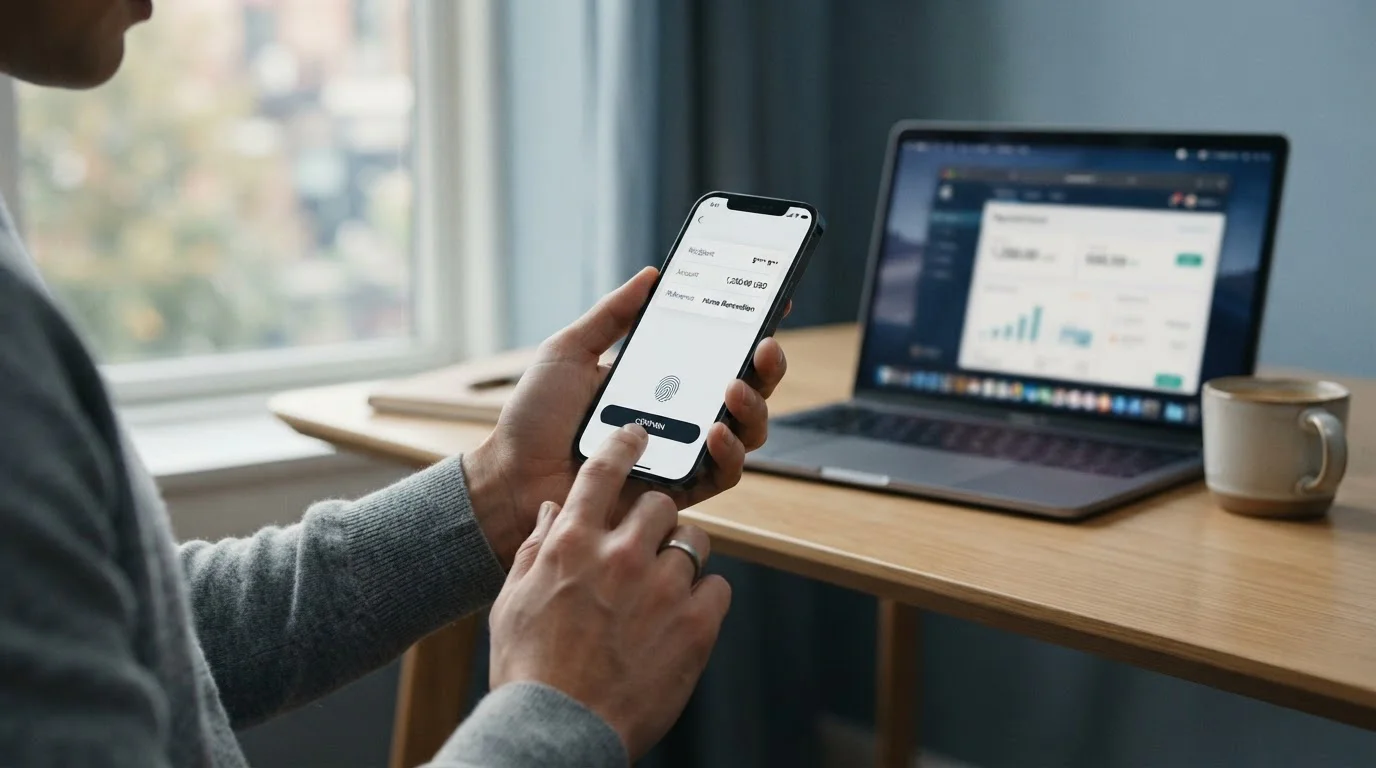
Strip away the marketing and pay by mobile is carrier billing — the same mechanism that lets you buy a ringtone or a parking session and settle it through your phone account. You select the deposit amount in the casino cashier, choose the pay-by-mobile option, and confirm, usually by replying to a text or tapping through a confirmation screen. The billing provider then either adds the charge to your next monthly contract invoice or deducts it immediately from your pay-as-you-go balance. The casino sees "paid" and credits your account within seconds. At no point does the operator receive a card number or a bank detail, which is the genuine security win of the method.
The reason you can’t just type your phone number into any casino and start billing is that a licensed intermediary has to sit between the operator and the mobile networks. That intermediary is almost always Boku in the UK gambling space. It holds the relationships with EE, O2, Vodafone and Three, it enforces the limits, and it handles the compliance layer that keeps the networks comfortable carrying gambling charges at all. Without that middle layer, carrier billing for gambling simply wouldn’t exist in Britain.
A deposit this frictionless has a specific cost that isn’t financial: identity drift. Because your bank never authorises the payment, the casino relies entirely on its own Know Your Customer checks — not the deposit rail — to confirm who you are and how old you are. UKGC-licensed operators run those checks regardless of how you fund the account, so "no verification pay by mobile casino" is a fantasy at any licensed site. The phone bill removes the card from the deposit; it does not remove the ID check from registration.
The networks don’t carry gambling charges out of generosity, either. Phone-paid services in the UK sit under their own oversight regime, and charging a bet to a mobile account is a higher-risk category that operators and billing providers have to justify carrying at all. That scrutiny is part of why the limits are so low and why the method narrowed to a handful of specialists rather than spreading across every cashier: the compliance overhead of carrier-billed gambling is real, and only operators committed to the format tend to bother maintaining it.
Boku, Fonix and the Ghost of Payforit
Boku is the dominant force here, and for most UK players "pay by mobile casino" and "Boku casino" describe the same transaction. Boku is a licensed mobile payments company that connects the casino to your network and charges the deposit to your bill or credit. It does not hold a balance, it is not a wallet, and — crucially — it cannot send money back to you. Its entire job is to move a small deposit from your phone account to the casino and enforce the caps while doing it.
Fonix is the other UK carrier-billing provider worth knowing, a London-listed mobile payments and messaging firm that powers direct carrier billing for various merchants. It appears less often in the gambling cashier than Boku but operates on the same principle: charge the phone account, settle through the network, no bank card involved. If you see a pay-by-mobile option that isn’t Boku-branded, Fonix is a plausible engine behind it.
Payforit is the name that haunts old guides and confuses current searches. It was the umbrella scheme the UK mobile operators ran for years to standardise charging purchases to a phone bill, and plenty of casino pages from the late 2010s cite it as the pay-by-mobile method. It has since been wound down and effectively superseded — tighter rules from the phone-paid services regulator and a shift to direct carrier billing through providers like Boku and Fonix left the old Payforit branding behind. So when a page promises "Payforit casinos", read it as "pay by mobile, now running on newer rails". The mechanism survives; the brand name is a relic.
Contract Billing vs Pay-As-You-Go Credit
There are two very different ways the charge actually settles, and the difference matters more than any operator admits. On a monthly contract, the deposit is added to a bill you pay later — you spend now and settle at the end of the billing cycle. On pay-as-you-go, the deposit comes straight out of credit you’ve already loaded, so there’s no deferral at all; it behaves like spending cash you topped up in advance.
That split is the hinge of the whole regulatory debate around the method, covered further below. For now the practical takeaway is simple: PAYG deposits are self-limiting because you can only spend credit you already hold, while contract deposits let you gamble against money you haven’t earned yet. If you want the budgeting discipline that pay by mobile is often praised for, pay-as-you-go delivers it far more honestly than a contract does. Many of the method’s defenders quietly mean the PAYG version when they call it "safer".
Do I need a contract phone to pay by mobile at a casino?
No. It works on both monthly contracts and pay-as-you-go. On a contract the deposit joins your next bill; on PAYG it comes straight out of credit you’ve already loaded. Pay-as-you-go is the tighter option, since you can only spend what you topped up — no deferral, and no bill shock at month’s end.
The Deposit Limits Nobody Mentions Until You Hit Them
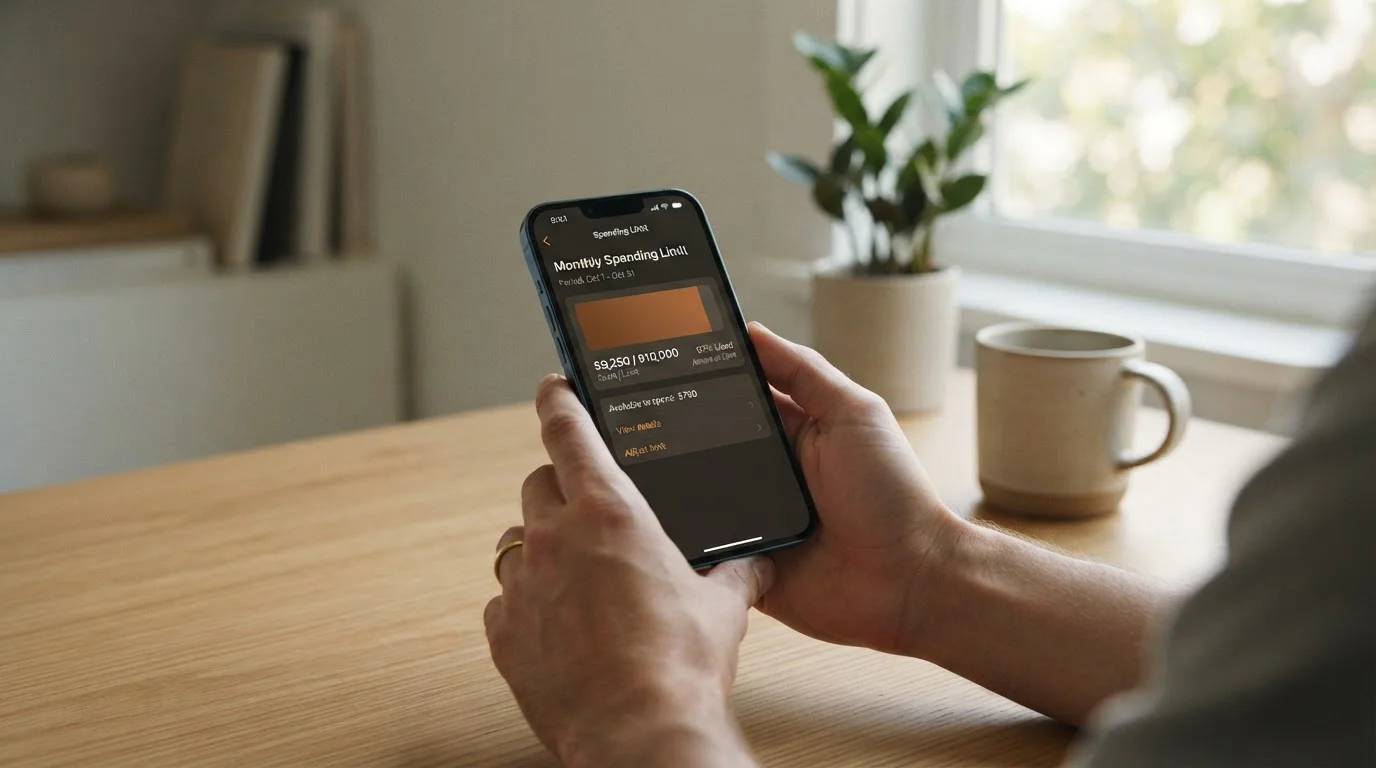
Here is the number that defines the method: roughly £30 per transaction, and a daily ceiling that commonly lands between £30 and £40 depending on your network and the operator. Some sources cite a monthly limit around £240 through Boku, though that figure is less consistently reported. Compared with a debit card that will happily let you deposit hundreds in an afternoon, pay by mobile is a garden hose next to a fire hydrant. For casual play that is a feature. For anyone trying to fund a serious bankroll, it is a wall.
The caps aren’t set by the casino alone. Three separate parties can tighten them, and the lowest number wins. The billing provider sets a baseline, the casino can set its own lower limit, and — the one that catches people out — your mobile network can cap carrier billing further still, sometimes well below £30 a day. Hit that wall and you’ll get a message about your network’s daily or monthly limit, or a vaguer "too many payment attempts" warning, and no amount of retrying will push another deposit through until the clock resets. The reset follows the provider’s and network’s timing, not midnight on your casino account, which is why the limit can feel arbitrary.
There is a workaround that’s worth understanding precisely so you can decide against it. A handful of casinos accept Boku only through Neteller — the phone charge tops up a Neteller wallet, which then funds the casino at the wallet’s much higher limits. That chains two payment methods together to beat the £30 ceiling, and in doing so it reintroduces a wallet, its own fees and its own verification. If you need to deposit more than the phone-bill cap allows, the honest answer is that pay by mobile is the wrong tool and a debit card or bank transfer is the right one. The cap is the method’s defining trait, not a bug to route around.
What is the maximum I can deposit by mobile per day?
Expect roughly £30 per transaction and a daily total commonly between £30 and £40, with a monthly figure near £240 sometimes quoted for Boku. Your mobile network can set a lower cap than the casino or billing provider, and that lowest limit is the one that actually binds you.
Why You Can’t Withdraw to Your Phone Bill
Pay by mobile is a one-way valve, and this is the single most important thing to understand before you deposit. The method can charge your phone account but it cannot credit it. There is no mechanism for Boku, Fonix or your network to receive money from the casino and pass it back to you — the carrier-billing pipe only runs in the deposit direction. So when you win, the casino cannot "pay by mobile" the money out. It needs a different route entirely, and that route almost always means handing over the bank details you were trying to avoid.
In practice this means a pay-by-mobile player must register a withdrawal method before they can cash out. Most licensed sites push the winnings back to a debit card or, more often with these low-limit brands, to a bank account by transfer. You deposit by phone in three taps and no card; you withdraw by filling in the card or bank fields the deposit flow spared you. New players routinely feel ambushed by this, having chosen the method precisely to keep the bank out of it. The bank comes back the moment there’s money to collect.
Where Your Winnings Actually Land
When you request a withdrawal at a pay-by-mobile casino, the operator processes it to whatever payout method you’ve verified — typically a debit card refund or a direct bank transfer. Timing depends on the brand and on the mandatory identity check. The first withdrawal is the slow one, because UKGC rules require the casino to confirm your identity and address before releasing funds; expect to upload a photo ID and a proof of address, and expect that step to add a day or two. Later withdrawals, once you’re verified, clear faster.
The low deposit caps have a quiet knock-on effect here. Because you can only ever put small amounts in, balances at these sites tend to be modest, and the brands often set low withdrawal minimums to match. That keeps the whole loop small-scale: little deposits, little balances, little withdrawals. It also means the proportional friction of a first-withdrawal ID check feels heavier — waiting two days to collect £40 stings more than waiting two days for £400. Front-load the verification on the day you register and the first payout stops being a bottleneck.
Can I withdraw casino winnings to my phone bill?
No. Carrier billing only moves money toward the casino, never back, so no UK casino can pay winnings to a phone account. You withdraw to a debit card or bank account instead, registering those details at cash-out even though the deposit didn’t need them. The first payout is slower, thanks to the identity check.
Pay by Mobile and the Credit Card Ban
On 14 April 2020 the UK Gambling Commission banned gambling with credit cards across all licensed operators, under the principle that people should not gamble with money they have borrowed and don’t yet have. Direct credit cards, and credit cards wrapped inside digital wallets, were all blocked. Pay by mobile sits in an awkward spot next to that rule, and the awkwardness is worth being honest about rather than papering over.
The problem is the contract version of pay by mobile. When you charge a £20 deposit to a monthly phone bill you settle at the end of the cycle, you are, functionally, spending money you haven’t paid yet — a short line of deferred credit from your network. That is not identical to a credit card, and the credit card ban did not name carrier billing, so the method remains available at licensed UK sites in 2026. But the resemblance is close enough that it draws regulatory attention, and it’s the main reason some operators have grown cautious about the method or leaned toward the pay-as-you-go version, where no deferral happens.
So no, pay by mobile is not a sanctioned loophole around the credit card ban, and treating it as one misreads both the rule and the risk. The caps are low enough that the deferred amount is small, and PAYG deposits involve no credit at all. The sensible reading is that the method survives on its small scale and its pay-as-you-go flavour, not because anyone decided deferred phone billing is categorically different from borrowing. If you’re drawn to it specifically because it lets you gamble before payday, that instinct is the exact harm the 2020 ban was written to curb — and the low limits are the only thing standing between you and the same trouble.
Is pay by mobile a way around the credit card ban?
Not legitimately. The 2020 credit card ban targets borrowed money, and charging a deposit to a monthly contract is deferred payment that resembles it. The method stays legal because the caps are tiny and the pay-as-you-go version involves no credit — but using it to gamble before payday courts the harm the ban addresses.
Bonuses and Wagering on Phone-Bill Deposits
Most pay-by-mobile casinos let a phone deposit qualify for the welcome offer, because the deposit is real money landing in the account like any other. The In Touch Games brands tie their signup spins to a phone or card deposit without fuss, and Boku-powered sites generally treat a carrier-billed deposit the same as a card deposit for bonus purposes. The catch is rarely the payment method; it’s the usual small print around what the bonus is actually worth.
The low deposit cap quietly shapes what any bonus can do. A welcome offer phrased as "100% up to £200" is academic when the network won’t let you deposit more than £30 or £40 in a day — you can’t reach the top of the match in a single sitting the way a card user can. That makes spins-based offers more relevant to the pay-by-mobile crowd than big percentage matches, and it’s why these brands lead with "bonus spins on signup" rather than four-figure match ladders. Read the spins offer for the two numbers that matter: the wagering requirement and the maximum you can win and withdraw from it.
"Free" is the word to distrust most. Free spins that carry a 40x wagering requirement and a £50 win cap are a marketing line, not a windfall, and the UK market’s shift toward lower wagering and some genuinely wager-free offers doesn’t magically apply to every promotion you’ll meet. A casino is not a charity, and a bonus exists to keep you playing, not to hand you money. Check whether winnings from spins arrive as withdrawable cash or as bonus funds locked behind a rollover before you decide the welcome offer is generous.
Do pay by mobile deposits qualify for casino bonuses?
Usually yes. Most UK casinos treat a phone-bill deposit like any cash deposit for welcome offers, and the In Touch Games brands tie their signup spins to it directly. The real constraint is the low daily cap, which makes large percentage matches impractical and pushes these sites toward spins-based offers.
Fees, Charges and the Hidden Cost
The good news on fees is genuinely good: UKGC licence conditions prohibit operators from charging you to deposit or withdraw, so a £10 phone-bill deposit credits £10 to your balance with nothing skimmed by the casino. Boku does not add a user fee to a standard carrier-billed gambling deposit either. On paper, pay by mobile costs you nothing extra over a card deposit, and the amount on your bill matches the amount you staked.
The real cost is structural, not a line item. Charging gambling to a phone bill blurs the boundary between a utility you must pay and discretionary spending you chose, and that blur is the hidden price. A deposit buried among data charges and app purchases on a monthly invoice is easy to overlook, easy to repeat, and harder to tally than a row of debit-card transactions in a banking app. You pay in visibility, not in pennies. The pay-as-you-go version removes even that, because the spend is immediate and the credit is simply gone.
One legitimate watch-out: if you top up pay-as-you-go credit with a card and then gamble from that credit, you’ve added a step without adding much protection, and if that top-up card were ever a credit card you’d be back in banned territory by the back door. Keep the funding source a debit card or your own cash, keep an eye on the bill, and the method stays genuinely fee-free. The thing it costs you is the easy ignorance of how much you’ve spent.
Historically the picture was murkier. Older carrier-billing arrangements, the ones that ran under the Payforit banner, sometimes carried charges or sat alongside premium-rate services that left people with bills they didn’t recognise. The modern direct-billing setup through Boku for gambling deposits is cleaner than that reputation suggests — the deposit is the deposit, and the casino can’t add to it. If you remember pay by mobile as the thing that once produced mystery charges, that memory is dated, but it explains why the method still carries a faint whiff of suspicion it no longer earns.
Pay by Mobile vs the Alternatives
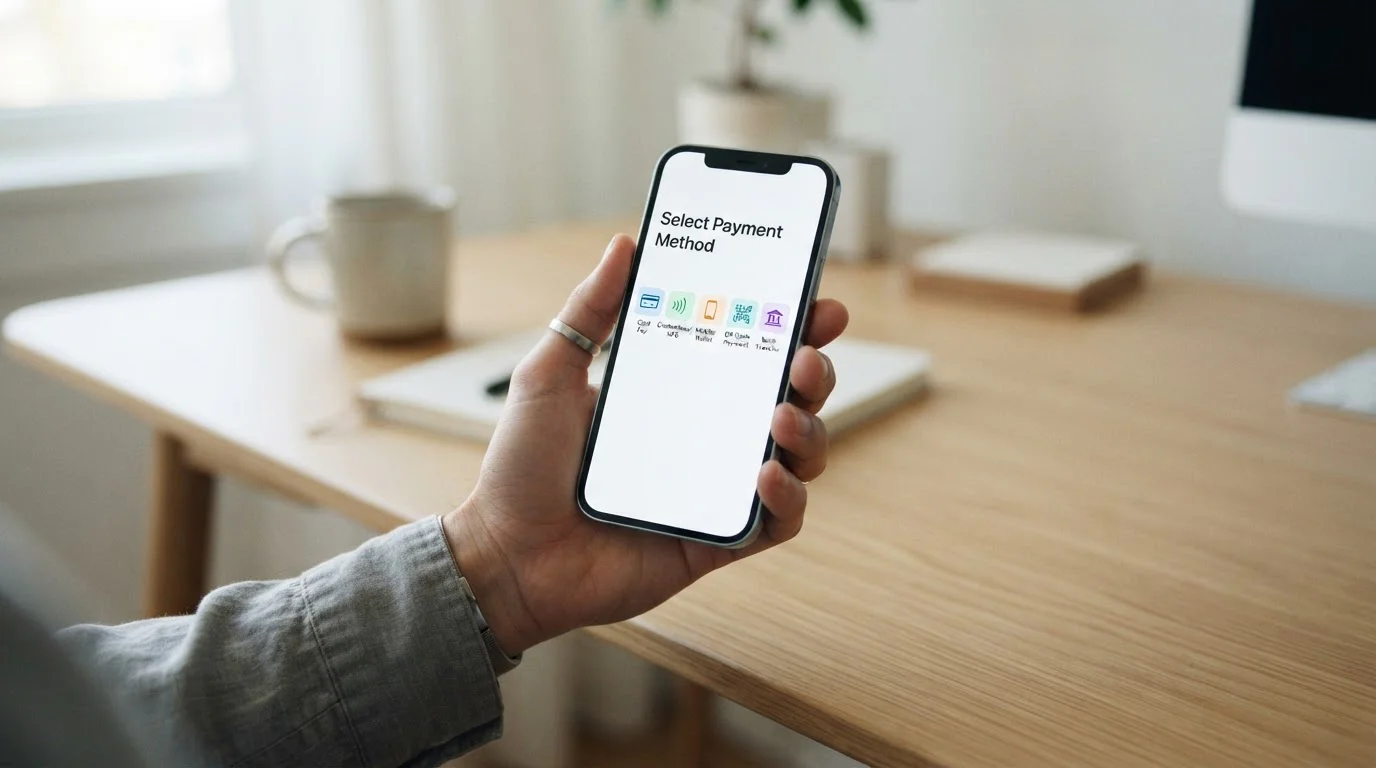
Pay by mobile is one rail among several, and it wins on exactly one axis — friction at deposit — while losing on most others. It is the fastest way to put a small amount into a casino without a card, and the only one that needs nothing but your phone. It is also the lowest-limit option on the board and the only one that cannot handle your withdrawal. Whether that trade is worth it depends entirely on whether you value the no-card deposit more than you value depositing freely and cashing out by the same route.
The honest comparison puts debit cards and bank-linked methods in a different weight class for anyone moving real money, and positions pay by mobile as the micro-deposit specialist. The table below lays the main UK options side by side on the measures that actually differ. Note the withdrawal column in particular: it’s where pay by mobile stands alone, and not in a good way.
| Method | Deposit speed | Withdrawal support | Daily ceiling | Best for |
|---|---|---|---|---|
| Pay by Mobile | Instant | Not supported | Low (around £30) | Micro-deposits, no card needed |
| Debit Card | Instant | To card (1–3 days) | High | Universal, deposit and withdraw |
| PayPal | Instant | To wallet (hours) | Medium–high | Fast cashouts, frequent play |
| Trustly / Pay by Bank | Instant | To bank (minutes–hours) | High | Bank-direct, no card |
| Boku via Neteller | Instant | Via wallet | Higher than raw Boku | Beating the £30 cap, at a cost |
Debit cards are the universal fallback: accepted everywhere, no device requirement, and the same card takes your withdrawal. If the only reason you reached for pay by mobile was speed, a card is nearly as quick and far less restrictive. Bank-linked rails like Trustly or Pay by Bank connect straight to your account through Open Banking, skip the card, and — unlike phone billing — handle withdrawals, often within hours. For a player who likes the no-card idea but wants proper limits and payouts, Open Banking is the grown-up version of the same instinct.
PayPal sits in the middle: instant deposits, genuinely fast withdrawals to the wallet balance, and wide acceptance, at the price of being excluded from some bonuses and carrying a higher minimum than a £3 phone deposit. And the Boku-via-Neteller chain, listed for completeness, mostly proves the point — the moment you need to beat the phone cap, you’ve left the thing that made pay by mobile attractive and bolted a wallet onto it. Pick pay by mobile when the small, card-free deposit is the whole point. Pick almost anything else when it isn’t.
Is pay by mobile better than a debit card for casino deposits?
Only for a specific player. Pay by mobile is faster to set up and needs no card, which suits small, occasional deposits. A debit card wins on everything else: higher limits, universal acceptance, and it handles withdrawals too. Want to deposit more than about £30, or cash out the same way? The card wins.
GAMSTOP, Non-Licensed Sites and "No Verification" Searches

A large share of pay-by-mobile searches are really asking for something the method can’t safely deliver: a casino not on GAMSTOP, with no verification, no ID, funded quietly by phone. It’s worth answering directly. Every UKGC-licensed operator, including all the In Touch Games brands, participates in GAMSTOP because it is a licence condition, not a choice. If you’ve self-excluded through GAMSTOP, you are blocked from all of them, and no phone-bill deposit will slip past that block at a licensed site.
Casinos advertising "pay by mobile, not on GAMSTOP, no verification" are unlicensed in the UK. They run on offshore permits — Curaçao is the usual one — and sit outside UKGC rules entirely: no mandated identity checks, no segregated player funds, no independent dispute resolution, no GAMSTOP. The "no verification" they promise is exactly the protection they’ve stripped out. And pay by mobile is rare at these sites anyway, because Boku and the UK networks don’t carrier-bill for operators without proper licensing, so the ones claiming it tend to route deposits through dubious intermediaries that misrepresent what the charge is for.
If the appeal of a "no GAMSTOP" pay-by-mobile site is that it would let you keep playing after self-excluding, that is a harm signal rather than a payment preference, and the low-limit licensed brands aren’t the answer either — nothing licensed is, by design. The National Gambling Support Network (0808 8020 133, free and confidential) and GamCare’s online chat exist for exactly this moment. Chasing an offshore site to spend money you’ve already told a national scheme you want to stop spending is pouring petrol on a fire, and the phone bill just makes the spend easier to hide.
Are there pay by mobile casinos not on GAMSTOP?
Only unlicensed offshore ones, and they are not a safe option. Every UKGC-licensed casino is on GAMSTOP as a condition of its licence, so no legal pay-by-mobile site escapes it. Sites promising "not on GAMSTOP, no verification" operate outside UK regulation, rarely support genuine carrier billing, and offer no protection if something goes wrong.
Is Pay by Mobile Safe and Still Available?
Yes on both counts, with caveats worth stating plainly. The method is safe in the narrow technical sense that matters most: because the casino never sees a card number or a bank detail, there is nothing sensitive in its database to leak about your deposit. The charge is authorised through your phone account, the billing provider is a regulated payments company, and the licensed operators behind it run the full UKGC compliance stack. As a way of moving a small amount of money without exposing your bank, it holds up well.
It is also still available, despite the steady drumbeat of "what happened to pay by mobile casinos" searches. The confusion comes from real shifts rather than a shutdown: the retirement of the old Payforit branding, individual operators dropping or re-routing the method, and the regulatory wariness around its resemblance to credit all created an impression of decline. The underlying rail — carrier billing through Boku and Fonix at licensed sites — is intact in 2026, concentrated at the mobile-first brands that always championed it. It hasn’t vanished; it has narrowed to the operators who built their whole offer around it.
Responsible Gambling and Low Limits as a Feature
The most useful reframing of pay by mobile is to treat its biggest weakness as its main benefit. The low caps that frustrate anyone chasing a bonus are, for most players, a built-in brake. A method that physically won’t let you deposit more than around £30 a day is a hard limit no willpower is required to maintain, and on pay-as-you-go there’s the second brake of only being able to spend credit you’ve already loaded. Used deliberately, that makes phone billing one of the more self-limiting ways to gamble in the UK.
The licensed brands reinforce it with the standard UKGC toolkit, which you should actually use rather than admire. Set a deposit limit at registration — daily, weekly or monthly — and the site enforces it; raising it later triggers a cooling-off delay, while lowering it takes effect quickly. Time-outs and self-exclusion are there for heavier intervention. The phone bill’s own ceiling plus a deliberately low deposit limit you set yourself is about as tight a frame as the regulated market offers. The danger isn’t the £30 you can deposit today; it’s depositing £30 today, tomorrow and the day after without ever adding it up on the one bill where it all quietly lands.
Why do people think pay by mobile casinos are no longer available?
Several real changes fed the impression. The old Payforit scheme was wound down and replaced by direct carrier billing, some operators quietly dropped the method, and its resemblance to credit drew regulatory caution. None of that removed it: billing through Boku and Fonix still works at licensed UK sites in 2026.
Written by the editors at Payments-casino-uk.