Mobile Top-Up Casino Deposits — The Prepaid-Credit Reality Check for 2026
 Available in GB
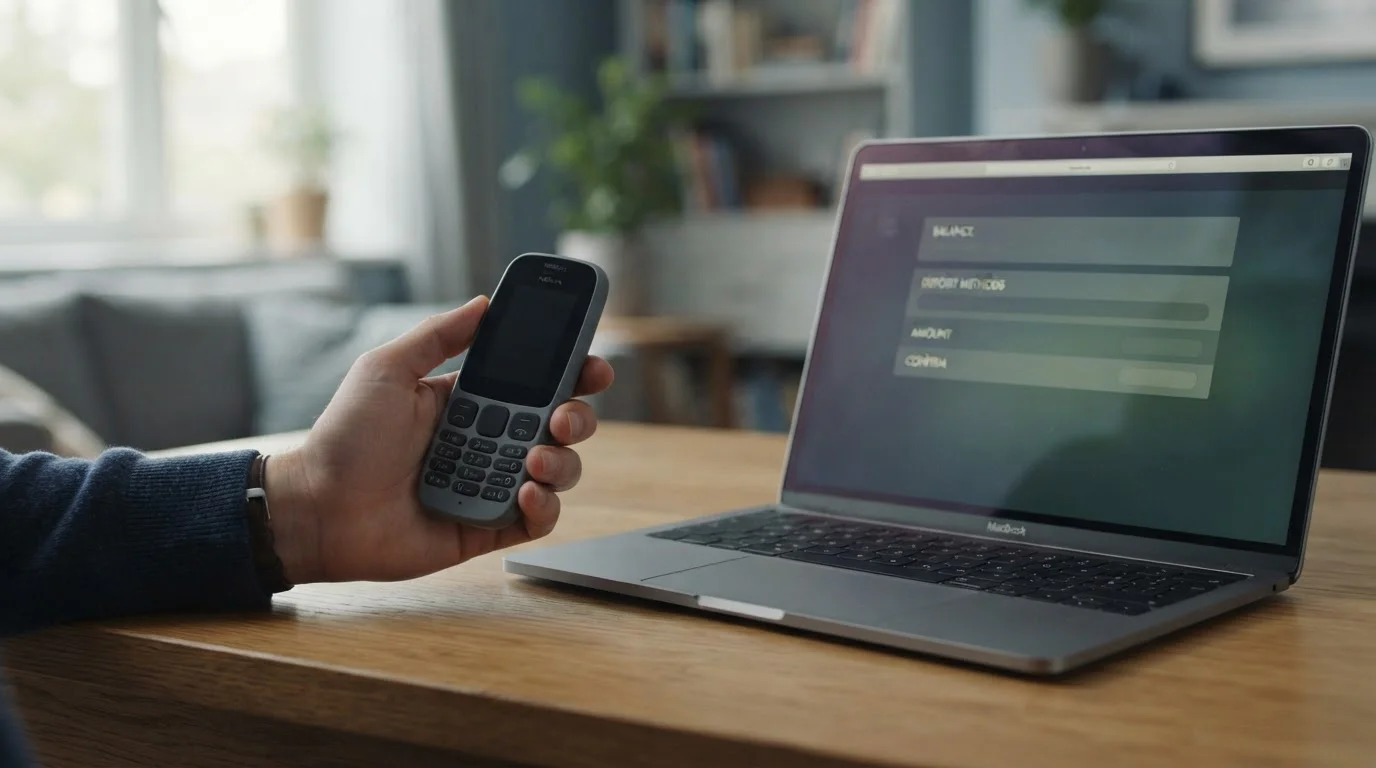
You top up a pay-as-you-go SIM with £20, and you want to turn some of that credit into a casino balance without opening your banking app. The logic is sound: the money is already sitting on the phone, the top-up was anonymous enough, and tapping a four-digit confirmation beats typing a card number. The reality in 2026 is narrower than the search results suggest. Depositing from pay-as-you-go credit still works at a handful of UK Gambling Commission-licensed sites, but the route runs through a carrier-billing middleman, the daily ceiling is low, and the cash only ever travels one way.
This page is about prepaid top-up credit specifically — the balance you load onto a PAYG SIM in advance — not the broader "pay by mobile" story where a deposit lands on a monthly contract bill. The two share plumbing but behave differently at the till. Prepaid credit is your own money, spent before you play. A contract charge is a small loan the network settles later. That distinction matters more than any bonus headline, and most guides skate straight past it.
Below: which licensed brands still list the option, how the top-up-to-cashier chain actually works, the £30-a-day wall, why you cannot cash out to your phone, and the prepaid methods worth using when the mobile route is missing from the menu. No offshore detours, no "credit from your network" fantasies — just the licensed map and its limits.
Table of Contents
- Which UK Casinos Still Take Mobile Top-Up Credit (2026)
- How Topping Up a Pay-As-You-Go Phone Pays a Casino
- Prepaid Credit vs Contract Phone-Bill Billing
- The £30-a-Day Ceiling and Why It Exists
- Why Mobile Top-Up Is Deposit-Only (and Where Winnings Go)
- Topping Up: Vouchers, Apps and In-Store
- Fees, Minimums and the Real Cost
- Bonuses and Mobile Top-Up Deposits
- Networks and Device Compatibility
- Mobile Top-Up vs Other Deposit Methods
- GAMSTOP, Affordability and Unlicensed Sites
- Is Pay-As-You-Go Casino Deposit Still a Thing in 2026?
- Staying in Control with a Prepaid Bankroll
- How We Checked These Casinos
Which UK Casinos Still Take Mobile Top-Up Credit (2026)
Start with the uncomfortable truth. The number of UKGC-licensed casinos that accept carrier billing has thinned sharply over the past few years. Tighter affordability rules, the networks’ own caution about gambling charges, and the collapse of the old Payforit system have pushed many operators to quietly drop the option. When a site does list "pay by mobile," it almost always runs on Boku, and Boku will deduct from pay-as-you-go credit the same way it adds to a contract bill — the network decides which, based on your account type.
So the shortlist below is not "twelve casinos falling over themselves to take your top-up credit." It is the set of licensed, mobile-friendly brands most associated with carrier billing, each of which has carried the option in its cashier. Availability shifts without warning, and a brand can pull it in a single provider switch. Open the live cashier and look for "Pay by Mobile" or "Boku" before you register anywhere. If it is not there, it is not there, and no review page can conjure it back.
The table aggregates the five brands profiled in depth below. Minimum mobile deposits sit around £10, the daily ceiling is roughly £30 regardless of brand, and withdrawals never route back to the phone — so the withdrawal column describes the card or bank payout you will actually use when you cash out.
| Operator | Licence | Withdrawal speed | Minimum deposit | Distinguishing feature |
|---|---|---|---|---|
| PlayOJO | UKGC (SkillOnNet Ltd) | Card 1–3 days, e-wallet under 24h | £10 | Genuinely wager-free play, OJOplus cash back on every bet |
| LeoVegas | UKGC (MGM-owned) | Card 1–3 days, PayPal 1–12h | £10 | Mobile-first platform built for phone deposits |
| Casumo | UKGC + MGA | Card 1–3 days, e-wallet under 12h | £10 | Gamified loyalty, 3,000+ game library |
| Sky Vegas | UKGC (Flutter-owned) | Card within 24h typical | £10 | Exclusive in-house slots, transparent RTP display |
| Betfred | UKGC (Petfre Gibraltar Ltd) | Card 1–3 days, high-street cashout | £10 | 1,300+ betting shops for in-person withdrawals |
Can I pay with pay-as-you-go credit at UK casinos?
Yes, at a shrinking set of UKGC-licensed sites that still list pay by mobile. Boku deducts the deposit from your prepaid balance when your account is PAYG rather than contract. The option is deposit-only, capped near £30 a day, and increasingly rare, so confirm it in the live cashier before relying on it.
PlayOJO
PlayOJO built its name on a single promise that most of the industry treats as heresy: no wagering requirements on anything. Winnings from spins or bonuses land as withdrawable cash, no rollover, no small print turning your "free" spins into a 35x treadmill. Operated by SkillOnNet Ltd under a UKGC remote licence and launched in 2017, the brand pairs that honesty with OJOplus, a cash-back scheme that pays a little back on every wager, win or lose. For a prepaid player feeding in £10 at a time, a casino that does not bury winnings under wagering maths is worth more than a bigger match offer elsewhere.
The mobile angle fits the audience. PlayOJO has carried pay by mobile among its deposit options, which suits a top-up bankroll perfectly — small, frequent, capped deposits are exactly what prepaid credit produces. The game library runs past 3,000 titles across slots, live tables and jackpots, with the usual studios covering the floor. Withdrawals route to your debit card or e-wallet, not your phone, and process within one to three days for cards once you are verified. If you want the method to match the philosophy, OJO is the cleanest fit on this list.
LeoVegas
LeoVegas earned the "King of Mobile" tag the honest way — by treating the phone as the primary screen back in 2012, when most rivals still designed for desktop and shrank it down afterwards. MGM Resorts acquired the Swedish-founded operator in August 2022 for roughly €607 million, and the UK arm runs under a UKGC remote licence. The platform is fast, the cashier is built for thumbs, and the whole experience assumes you are depositing from a handset rather than a laptop. That design bias makes it a natural home for anyone paying from phone credit.
The library is one of the largest in the UK market, north of 3,000 games including the full live-dealer suite and the game-show formats that pull a crowd. Minimum deposits start low, and the 100% match plus spins offer runs under the 10x wagering cap that major operators adopted on 19 January 2026 — not wager-free, but a long way from the 35x-40x that used to be standard. On payouts, LeoVegas is one of the quicker brands for e-wallets, with PayPal cashouts clocked in hours rather than days. Mobile credit gets you in; a registered card or wallet gets you back out.
Casumo
Casumo launched from Malta in 2012 with a gamified shell that dresses casino play as a video-game quest: levels, trophies, a little avatar trudging through "adventures." Under the paint sits a serious operation with a UKGC remote licence and an additional Malta Gaming Authority licence for other markets. The mobile app is slick, consistently rated among the better iOS and Android builds in the UK, which again matters when your deposit originates on the device itself rather than a browser on a desk.
The catalogue stretches past 3,000 titles, and the loyalty mechanics reward steady play rather than a single big deposit — handy, because a prepaid bankroll is steady play by definition. Match bonuses and spins come with 10x wagering under the current cap. Withdrawals clear to debit card in one to three days, faster to e-wallets, and the first cashout carries the usual identity check every licensed site must run. The gamification is a nice-to-have, not a reason to pick it; the mobile-first build and the low entry point are.
Sky Vegas
Sky Vegas trades on two things rivals struggle to copy: exclusive in-house slots you will not find elsewhere, and an interface that shows RTP, volatility and minimum stake up front instead of hiding them behind an info button. Part of the Flutter Entertainment stable since the group bought Sky Betting & Gaming in 2018 for £3.4 billion, it runs under a UKGC licence covering the Sky Vegas, Sky Casino and Sky Bet brands. The transparency suits newcomers depositing cautiously from a topped-up SIM, who benefit from knowing a slot’s variance before they commit a tenner.
Sky’s "Pay by Mobile" option has long been one of the more visible carrier-billing routes among big-name UK brands, though, as everywhere, you should confirm it is live in your cashier rather than trust a screenshot from last year. The welcome offer leans on spins, and withdrawals route back to your card, typically clearing within a day for verified accounts. For a prepaid player who wants a mainstream name with clear game information and a recognisable carrier-billing history, Sky Vegas is a sensible anchor.
Betfred
Betfred is the high-street heavyweight here, founded in 1967 by brothers Fred and Peter Done and still running well over a thousand betting shops across Britain alongside the online operation. The online arm sits under Petfre (Gibraltar) Limited with a UKGC remote licence. That physical footprint gives Betfred a trick the online-only brands cannot match: you can, in principle, collect certain winnings in cash over the counter, which is a curious counterweight to a payment method that itself cannot pay you back.
For deposits, Betfred has offered mobile billing among a broad payment menu, and the brand’s instinct is mass-market rather than niche — simple cashier, familiar name, steady promotions rather than fireworks. The casino library covers the mainstream providers, the sportsbook sits alongside it for anyone crossing over, and online withdrawals to a debit card run one to three days. Prepaid credit gets a deposit in; the branch network and your bank card handle the exit. If brand trust and a bricks-and-mortar presence reassure you, Betfred earns its row.
How Topping Up a Pay-As-You-Go Phone Pays a Casino
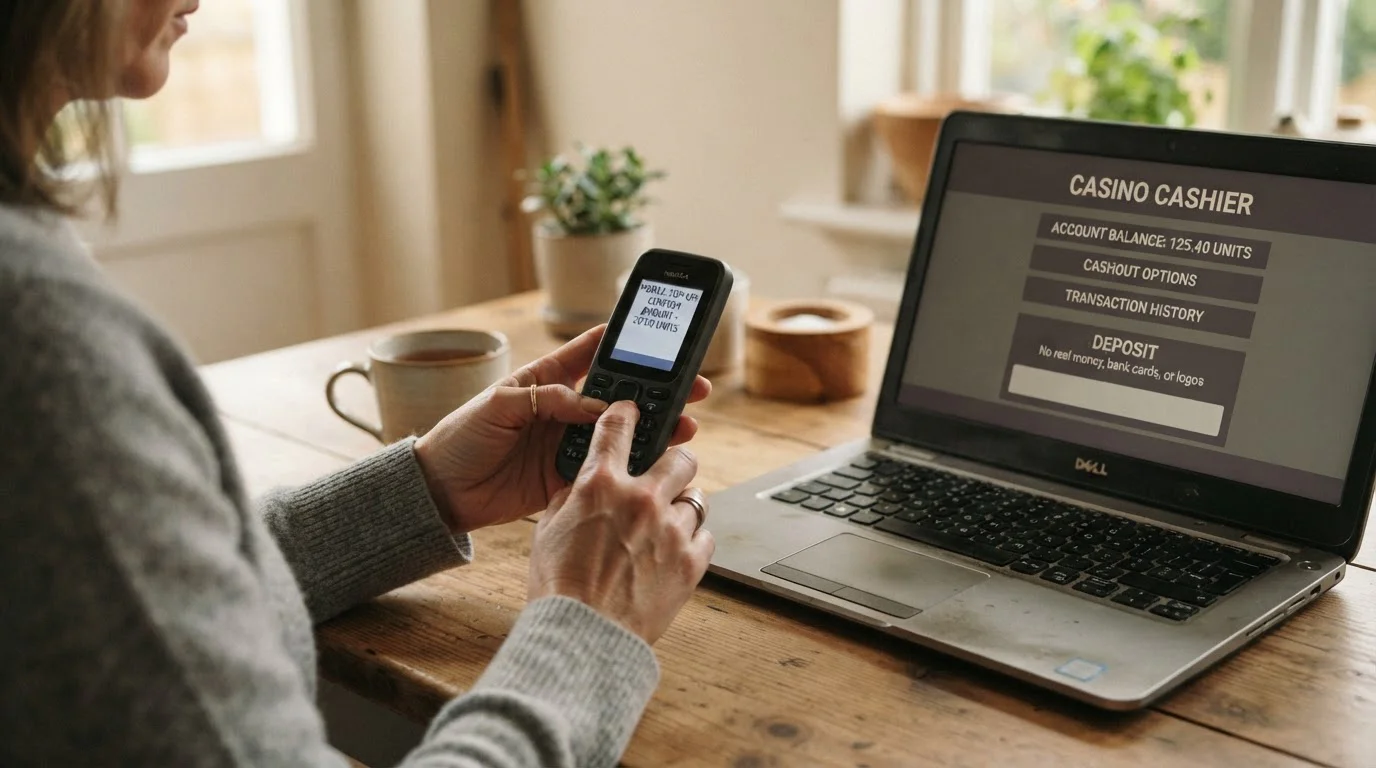
The chain has three links, and understanding all three saves you from the usual confusion. First, you load credit onto the SIM: a £20 top-up bought as a voucher, through the network’s app, online, or at a shop till. That credit now sits as a prepaid balance against your number. Second, at the casino cashier you choose pay by mobile, enter an amount, and the carrier-billing processor — almost always Boku — sends a confirmation step to your phone. Third, you approve, and Boku instructs the network to take the sum from your balance and settle it with the casino. The funds appear in your gaming account in seconds.
What the casino never receives is any card number, sort code or bank detail. The only identifier in play is your mobile number, which is why people reach for the method in the first place — it feels one step removed from the bank account. The processor sits between the network and the operator, reconciling the charge, which is also why a mobile deposit can fail for reasons neither the casino nor you control: the network declined it, your balance was short, or the number is flagged as business rather than consumer.
For a pay-as-you-go account, the deduction is immediate and real. You had £20 of credit; you now have £10, and the casino has the other tenner. Nothing is deferred. That is the defining trait of the prepaid route and the thing that separates it cleanly from the contract version covered next. Your phone credit is not a line of borrowing dressed up as convenience — it is cash you already handed the network, now moving one hop further.
How does a mobile top-up deposit actually work?
You load credit onto a pay-as-you-go SIM in advance, then select pay by mobile in the casino cashier. Boku, the carrier-billing processor, confirms the charge on your handset and tells your network to deduct it from your prepaid balance. The casino sees only your mobile number and credits your account in seconds.
Prepaid Credit vs Contract Phone-Bill Billing
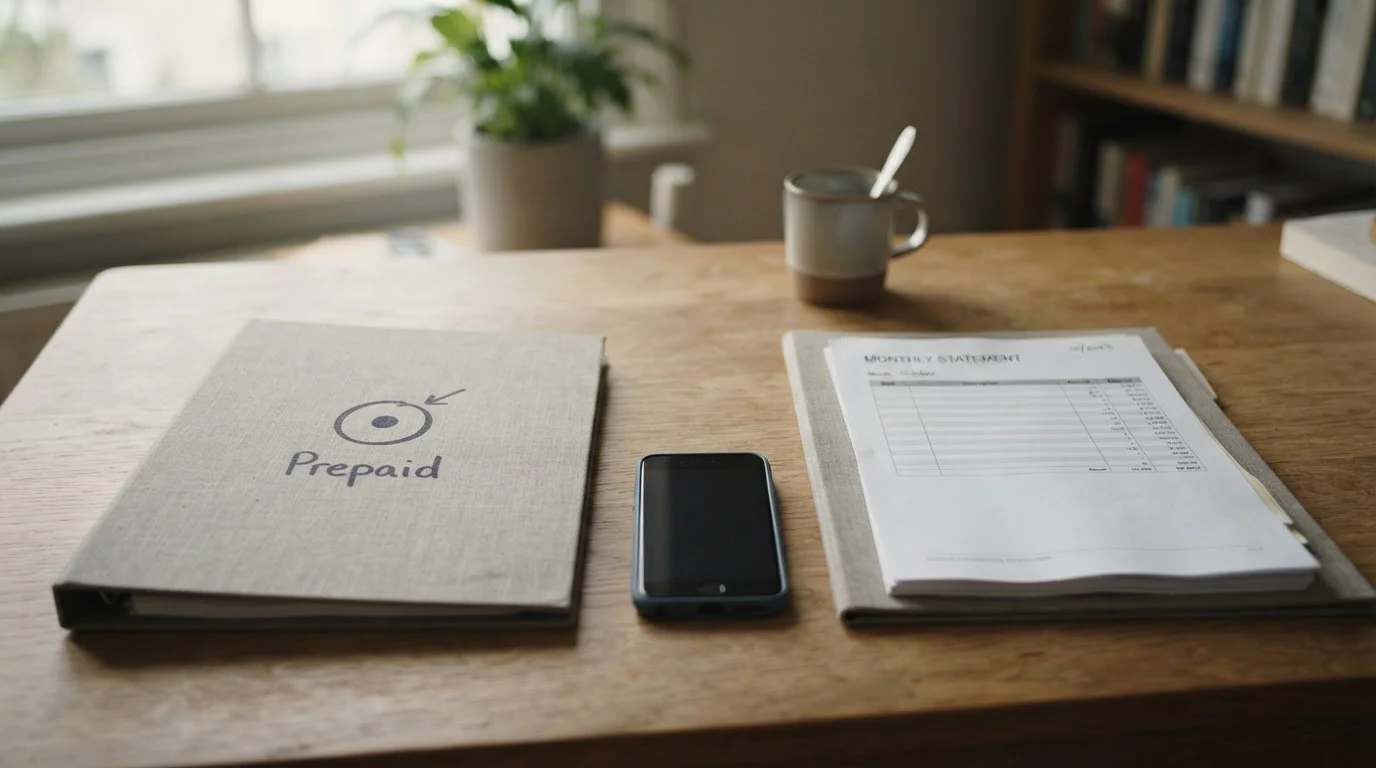
This is the fork most guides blur into one word. "Pay by mobile" describes two mechanically different things depending on your account type, and the difference decides how the money behaves and who regulators worry about.
On a pay-as-you-go account, the deposit comes straight out of credit you have already paid for. Spend it and it is gone; there is no bill, no settlement, no deferral. The ceiling is your remaining balance plus the daily cap, whichever bites first. It is, bluntly, the most honest form of the method — you cannot spend money you have not already loaded. That built-in limit is crude, but it is a limit, and for some players a crude ceiling beats none at all.
On a monthly contract, a pay-by-mobile deposit lands on the bill you settle at the end of the cycle. You play now and pay the network weeks later. That is functionally deferred payment — closer in spirit to the credit-card gambling that the Gambling Commission banned outright on 14 April 2020 under Licence Condition 6.1.2. Carrier billing for gambling never fell under that ban in the same way, but it sits in the same uncomfortable territory: betting with money that has not yet left your possession. The networks and operators know it, which is part of why the option has been pared back.
So the prepaid version is the safer of the two by design, not by marketing. A topped-up SIM cannot produce bill shock, cannot quietly accumulate a month of losses you confront on payday, and cannot let you chase losses on the network’s money. The trade-off is that the same prepaid balance is small, awkward to reload mid-session, and capped hard. If you are choosing the method specifically because the money is already spent and the ceiling is fixed, pay-as-you-go is the right half of the fork. If you are choosing it to defer the cost, you are reaching for the half that regulators are actively squeezing.
Is pay-as-you-go safer than charging a deposit to my phone bill?
In spending-control terms, yes. Prepaid credit is money you have already paid the network, so a deposit cannot be deferred, cannot produce bill shock, and cannot let you gamble on borrowed funds. A contract charge lands on next month’s bill, which behaves more like deferred payment. The prepaid route removes that lag entirely.
The £30-a-Day Ceiling and Why It Exists

The single number that defines this method is the daily cap, and it hovers around £30 across the market. Some sites and networks phrase it as £30 per transaction, others as £30 per day, and a few land between £30 and £40 depending on the operator and your carrier. Minimums usually start at £10. Over a month, networks apply their own ceiling, commonly a few hundred pounds, though the exact figure shifts by carrier and is not worth memorising — it will be in your network’s own terms, not the casino’s.
Why so low? Two reasons stack. Carrier billing was designed for small digital purchases — a parking charge, an app, a ringtone in a more innocent decade — not for funding a gambling session, so the rails were never built for four-figure sums. On top of that sits deliberate harm-reduction caution: a payment method that cannot be topped up past £30 a day is self-limiting in a way the Gambling Commission has little reason to object to. The affordability framework the regulator phased in across 2024 and 2025 pushes in the same direction, and a method with a hard low cap rarely trips those checks in the first place.
The practical upshot: pay by mobile is a micro-deposit method. If your session plan involves £200 across an evening, the mobile route will frustrate you long before you get there, and layering on another method to top up defeats the point. If your plan is £10 or £20 of entertainment money already sitting on a prepaid SIM, the cap is irrelevant because you were never going to exceed it. Match the method to the bankroll, not the other way round.
What is the maximum I can deposit from mobile credit per day?
Around £30 at most UKGC casinos, with minimums near £10. Some operators treat the figure as a per-transaction limit, others as a daily total, and a few allow up to about £40. Your network adds a monthly ceiling, typically a few hundred pounds. These limits are fixed and cannot be raised on request.
Why Mobile Top-Up Is Deposit-Only (and Where Winnings Go)
Here is the hard stop nobody puts in the banner: you cannot withdraw to your phone credit. Pay by mobile is a one-way valve. Credit flows from your SIM into the casino; nothing flows back. The reason is structural, not a policy a support agent can override — a network’s billing system is built to charge a number, not to pay money into it. There is no mechanism for a casino to credit your top-up balance, so there is nowhere for a withdrawal to land.
When you win and request a payout, the casino asks for a different method entirely. In practice that means registering a debit card or a bank account, and some sites will accept an e-wallet like PayPal or Skrill if you have verified one. The withdrawal then runs as an ordinary card refund or bank transfer: one to three days for most card payouts, faster if the operator uses an instant-push rail, longer for a standard bank transfer. Your first withdrawal from any UKGC site also triggers identity verification — a photo ID and proof of address — before funds release, so upload those on the day you register rather than the day you want paying.
This one-way design has a quiet benefit worth naming. Because winnings cannot return to the phone, you are forced to pull them into a bank account or card, where they sit as actual money rather than as more gambling credit on the device. It is harder to immediately recycle a payout you have to route through your bank. For a player using prepaid credit precisely to keep a lid on things, the deposit-only limitation is less a flaw than an accidental safeguard.
Can I withdraw casino winnings to my phone credit?
No. Carrier billing can only charge your number, never pay into it, so withdrawing to phone credit is technically impossible at any casino. You register a debit card, bank account or verified e-wallet for payouts instead. Card refunds take one to three days, and your first withdrawal needs identity documents before the funds are released.
Topping Up: Vouchers, Apps and In-Store
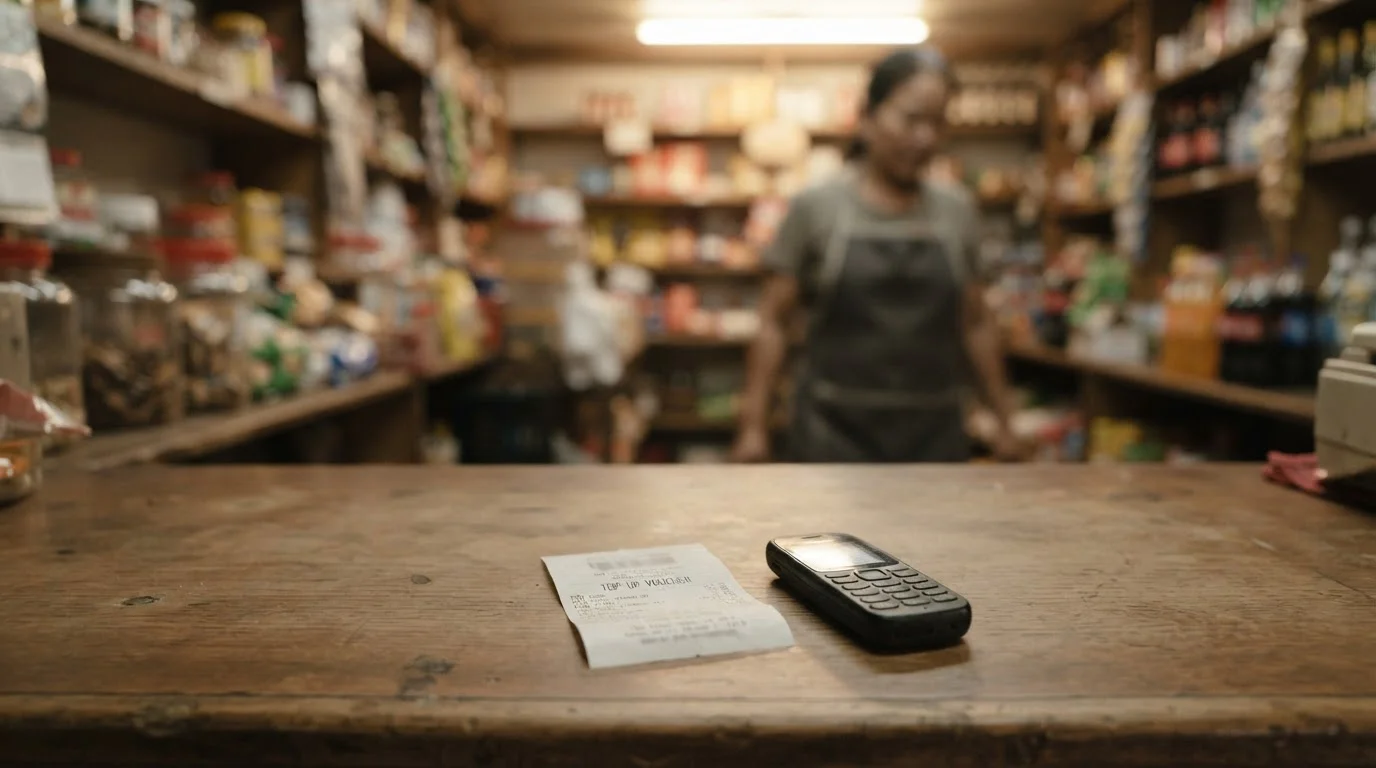
Getting credit onto the SIM is the easy part, and you have four routes. Buy a physical top-up voucher at a supermarket, newsagent or petrol station and enter the code. Use your network’s own app or website to add credit from a card. Set up an auto top-up that tops the balance when it runs low. Or pay at a shop till that handles mobile top-ups directly. All four land credit against your number within minutes; the voucher and till routes let you load cash without a card touching the transaction, which is part of the appeal for anyone keeping gambling spend off their bank statement.
One confusion deserves killing off directly, because the search box is full of it. A "mobile top-up voucher" is not a casino voucher. It tops up your phone; it does not deposit into a gaming account. People conflate it with paysafecard — the 16-digit prepaid PIN you buy in a shop and enter straight into the cashier — because both are vouchers bought over a counter. They are not the same product. A top-up voucher adds credit to your SIM, and only then can Boku draw a deposit from that credit. If you want a true prepaid voucher that deposits directly, you want paysafecard, not a phone top-up.
Keep a little headroom when you top up. Boku needs the full deposit amount available in credit at the moment of the charge, and if your balance is a pound short because a text or a data overage ate into it, the deposit fails with a generic error that tells you nothing useful. Loading a round number slightly above your intended deposit avoids the dance of topping up twice in a session.
Fees, Minimums and the Real Cost
Straight answer on fees: UKGC-licensed casinos are prohibited from charging deposit fees, so the amount you authorise is the amount that reaches your balance. The casino takes nothing extra for the convenience of carrier billing. That part is clean.
The caveat lives upstream, with the network rather than the casino. A pay-as-you-go top-up is usually a pound-for-pound exchange — £20 of cash becomes £20 of credit — but networks occasionally bundle top-ups with promotional add-ons, data, or expiry conditions that muddy the "real" value of the credit you then gamble with. Read what your top-up actually buys. And if you ever fund the SIM from a non-sterling source or a currency-converting card, you inherit that card issuer’s conversion markup before the credit even exists. None of that is a casino fee; all of it affects what your deposit truly costs.
Minimums sit at £10 for the mobile route, higher than the £5 floor some brands set for debit cards. That £10 minimum, paired with the £30 daily ceiling, defines a tight band: you are depositing in £10 to £30 increments, full stop. For small, controlled entertainment spend that band is fine. As a primary funding method for anything larger, it is a straitjacket — and that is before you remember you will need a second method entirely to get any winnings out.
Bonuses and Mobile Top-Up Deposits
Most UK casinos treat a mobile deposit as a qualifying method for the welcome offer, but the fine print varies more than the marketing admits, and the £10 minimum occasionally sits below a bonus’s qualifying threshold. If an offer requires a £20 qualifying deposit and your mobile cap effectively limits you to £30 a day in £10 chunks, you can usually still hit it — but confirm the qualifying amount before you assume a single £10 top-up unlocks the full package.
The wagering landscape has improved, which helps prepaid players disproportionately. Major operators capped wagering requirements at 10x on 19 January 2026, down from the 35x to 40x that lingered for years. On a small bankroll, high wagering was always punishing — clearing 35x on a £10 bonus meant staking £350 before a withdrawal, an absurd ask for a tenner of credit. At 10x it is £100, still a hurdle but a human-sized one. Brands like PlayOJO sidestep it entirely with wager-free offers, which is why a wager-free site suits a top-up bankroll better than a flashier match bonus buried under rollover.
Watch the method-exclusion clauses. Some operators exclude certain payment methods from bonus eligibility, usually aimed at e-wallets rather than carrier billing, but a carelessly drafted offer can catch pay by mobile in the net. The safe move is identical to the one for any deposit method: read the exclusions, deposit the qualifying minimum, confirm the bonus credits, and contact support before adding more if it does not. Treat any "exclusive" bonus code attached to a payment method with suspicion — those are usually affiliate inventions rather than operator promotions, and the live cashier is the only source of truth.
Does a mobile top-up deposit qualify for welcome bonuses?
Usually yes. Most UKGC casinos accept carrier billing as a qualifying deposit method, though the £10 mobile minimum occasionally sits below an offer’s threshold. Check the qualifying amount and the method-exclusion clause first. Wager-free brands suit a small prepaid bankroll best, since the 10x cap from January 2026 still means staking above a tenner.
Networks and Device Compatibility
Carrier billing works across the major UK networks — EE, O2, Vodafone and Three — and through most of the virtual networks that piggyback on them, including Giffgaff, Tesco Mobile, Smarty, VOXI, Lebara and Lycamobile. Because the virtual operators ride the big four’s infrastructure, Boku support usually follows the host network, though a given MVNO can disable gambling charges on its own terms. If your SIM is on a smaller provider, the only reliable test is attempting a small deposit and seeing whether the charge clears.
The device barely matters. Unlike wallet-based methods that demand a specific ecosystem — a particular phone brand, a specific browser on a laptop — carrier billing cares only about the SIM and the number behind it. A ten-year-old handset running nothing clever will authorise a pay-by-mobile deposit as readily as the newest flagship, because the confirmation travels over the network, not through an app store’s payment framework. For players deliberately using a basic prepaid phone, that universality is the point. No biometrics, no wallet setup, no operating-system lock-in.
What can trip you up is the account classification. Business accounts, some bundled SIMs, and numbers recently ported between networks occasionally get flagged, and the charge bounces without a clear reason. A number registered to a consumer pay-as-you-go account in your own name is the cleanest case. If deposits fail repeatedly despite sufficient credit, the classification of the SIM — not the casino — is the usual culprit, and your network’s support line is the place to resolve it.
Mobile Top-Up vs Other Deposit Methods

Prepaid mobile credit is not the only way to keep gambling spend fenced off from your main bank account, and for most players it is not even the best way. The honest comparison below sets it against the methods that actually compete for the same job: a controlled, low-friction deposit that does not expose your card details or your balance.
Paysafecard is the closest philosophical match — a prepaid voucher bought for cash in a shop, entered as a 16-digit PIN, deposit-only, no bank link. It does the "spend only what I loaded" job without the £30 cap or the carrier-billing middleman, though it shares the deposit-only limitation. Apple Pay and Google Pay tokenise a debit card, so they are fast and secure but tied to a card and a bank account — the opposite of the prepaid logic. A plain debit card is universal and supports withdrawals, but it puts your card details in the cashier. Pay by bank, running over Open Banking, connects straight to your account for both deposits and instant-ish withdrawals, but asks you to log in through your bank during the flow.
How does mobile top-up compare with paysafecard for controlled spending?
Both cap spending to money loaded in advance and need no bank link, which makes them the two true prepaid options. Paysafecard avoids the £30 daily ceiling and the carrier-billing step, depositing a shop-bought PIN straight into the cashier. Mobile credit wins only if the balance already sits on your SIM.
| Method | Deposit speed | Withdrawal support | Spending ceiling | Best for |
|---|---|---|---|---|
| Mobile top-up (PAYG) | Instant | Not supported | ~£30/day | Credit already on a prepaid SIM |
| Paysafecard | Instant | Not supported | Voucher value (to £100 typical) | Cash-bought, no bank link |
| Apple Pay / Google Pay | Instant | Via card (1–3 days) | Card/bank limits | Fast tokenised card deposits |
| Debit card | Instant | Card (1–3 days) | Card/bank limits | Universal fallback, supports payouts |
| Pay by bank (Open Banking) | Instant | Bank (minutes–hours) | Bank limits | No card, fast withdrawals |
For a player whose whole reason for being here is "the money is already on my phone and I want a hard cap," mobile top-up has a genuine niche. For anyone who can load a paysafecard voucher instead, that voucher does the same control job without the daily wall. And for anyone who actually wants winnings back without jumping methods, a debit card or pay by bank was always the more sensible starting point. Pick the method that matches the real constraint, which is usually control rather than the phone itself.
GAMSTOP, Affordability and Unlicensed Sites
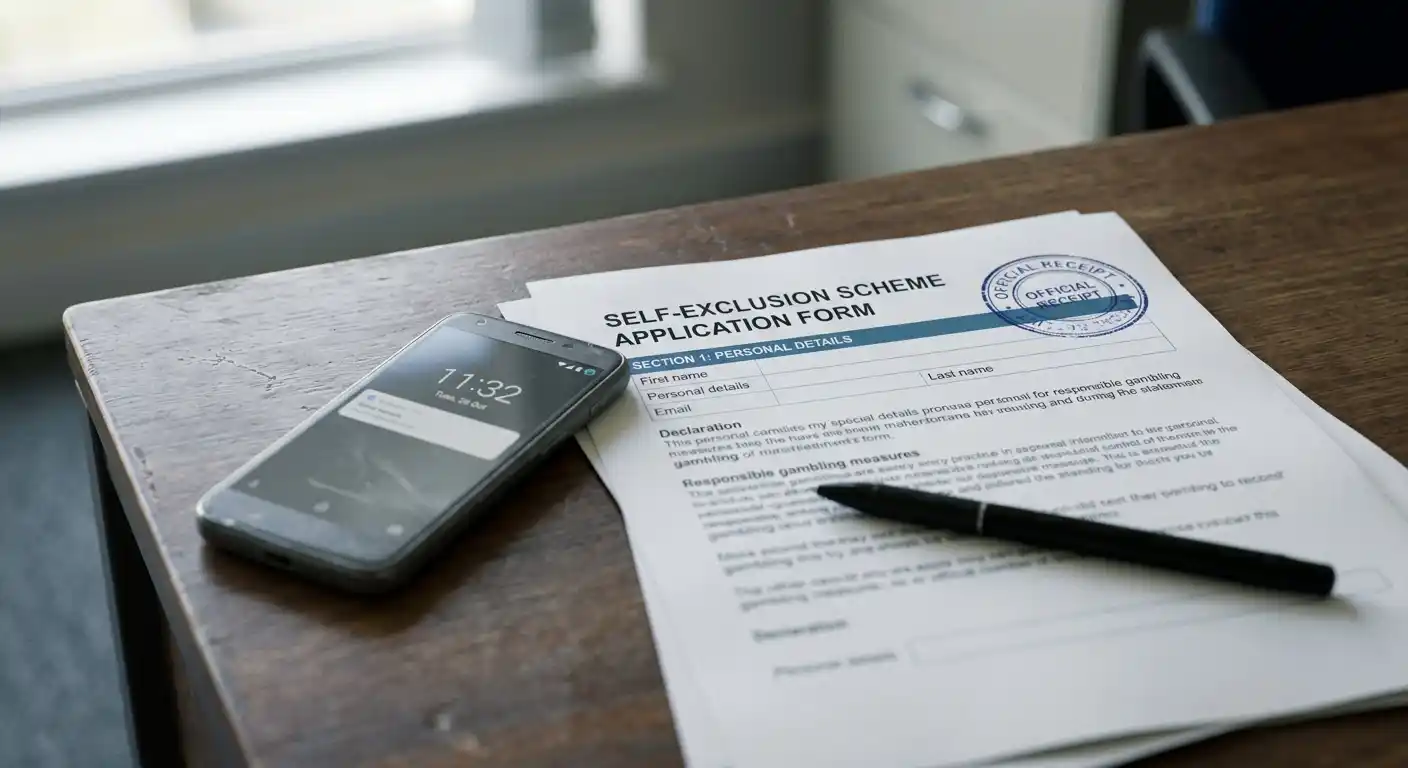
A recurring thread in the searches around this topic hunts for pay-by-mobile casinos "not on GAMSTOP." The honest answer is the same one that applies to every payment method: no safe licensed option exists. GAMSTOP is the UK’s national self-exclusion scheme, mandatory for every UKGC remote licensee since 2018. If you self-exclude, you are blocked across every licensed site, and the payment method you planned to use is irrelevant — the block operates at the account and identity level, not the cashier.
Sites advertising themselves as "not on GAMSTOP" are unlicensed in the UK, operating offshore under Curaçao or no meaningful licence at all. They sit outside UKGC rules, do not segregate player funds under UK standards, and offer no regulator to escalate a dispute to when a withdrawal stalls for three weeks. Carrier billing rarely appears at these sites anyway, because Boku and the UK networks will not knowingly route gambling charges to unlicensed operators. Where an offshore site claims to take mobile payments, it is usually through an intermediary that misrepresents the transaction, which risks your number being flagged for far less reward than the pitch suggests.
The affordability dimension is worth stating plainly, because prepaid players sometimes assume it does not touch them. UKGC affordability checks, phased in across 2024 and 2025, can trigger enhanced verification when losses pass certain thresholds over a rolling period. A method capped at £30 a day rarely sets those checks off on its own, which is one of its quieter advantages. But depositing by phone does not exempt you from the framework; it simply makes you less likely to hit the triggers quickly. If a licensed site asks for income or source-of-funds evidence, that is the system working as designed, not a reason to go looking for an offshore workaround.
Can I use mobile top-up at casinos not on GAMSTOP?
No safe option exists. Casinos not on GAMSTOP are unlicensed in the UK and operate offshore with no real protection. Carrier billing almost never appears there, because UK networks and Boku will not route gambling charges to unlicensed operators. If you are chasing non-GAMSTOP sites to bypass a self-exclusion, treat that as a warning sign.
Is Pay-As-You-Go Casino Deposit Still a Thing in 2026?
Partly, and the honest version is more useful than the affiliate version. Yes, pay-as-you-go deposits still function at some UKGC-licensed sites in 2026 through Boku. No, the method is not thriving — the roster of casinos accepting it has shrunk year on year, the old Payforit system that once broadened the option has been wound down, and several brands that advertised "pay by mobile" a few years ago have quietly removed it. Both things are true at once, which is why the search results feel contradictory.
The confusion is compounded by review pages that list dozens of "Boku casinos" whose cashiers, on inspection, no longer show the option — or show it only through a convoluted workaround like funding an e-wallet by mobile and depositing from the wallet. That is not a direct mobile deposit; it is two methods stapled together, and it inherits both their frictions. Treat any long list of pay-by-mobile casinos with scepticism, and verify in the live cashier. A method’s presence on a comparison page is not evidence of its presence in the till.
So where does that leave a prepaid player in 2026? With a working but narrow option, a low ceiling, a deposit-only limitation, and a handful of licensed brands worth checking first. The method has not vanished, but it has receded to a niche: small, controlled, phone-originated deposits for people who value the hard cap and do not mind arranging a separate route for withdrawals. If that describes you, it still works. If you wanted it to be a mainstream, high-limit, two-way payment rail, it never was, and it is less so now than it was five years ago.
Why do some sources say pay-by-mobile casinos no longer exist?
Because the option has genuinely narrowed. Many UKGC sites dropped carrier billing as affordability rules tightened and the Payforit system wound down, and some review pages still list casinos that no longer show it. The method works at a handful of licensed brands through Boku, but it is a shrinking niche, not a dead one.
Staying in Control with a Prepaid Bankroll
The prepaid approach carries an accidental discipline, and it is worth using deliberately rather than relying on it by luck. Because a topped-up SIM holds only what you loaded, and because the daily cap sits near £30, a pay-as-you-go player has two ceilings working at once — the credit on the phone and the carrier limit. Neither is a substitute for the tools the casino itself must offer, but together they make the mobile route one of the harder ways to lose track of a session.
Set the casino’s own deposit limit before your first deposit regardless. Every UKGC site must offer daily, weekly or monthly limits at registration and let you tighten them instantly; raising a limit triggers a 24-hour cooling-off period, so you cannot lift a restriction mid-tilt. A weekly limit that matches what you would top up anyway turns a loose habit into a fixed one. And if the hard cap of prepaid credit is the only thing keeping your spending in check, that is worth noticing honestly — it may be a signal to use the stronger tools rather than the crude one.
GAMSTOP remains the backstop. Registering excludes you from every licensed operator for six months, a year or five years, and no payment method evades it. Below that, casino-level self-exclusion and time-outs handle shorter breaks. The National Gambling Support Network and GamCare both offer free, confidential help, and neither will point you toward an offshore workaround. The whole appeal of a prepaid bankroll is control; the responsible-gambling tools are simply the formal version of the instinct that led you to pay by credit in the first place.
How We Checked These Casinos
The five brands profiled here were selected on four grounds: a verifiable UKGC remote licence, a documented history of accepting carrier billing or a strongly mobile-first platform, a minimum deposit of £10 or lower, and a reputation stable enough to recommend to someone funding a modest bankroll. Licence status was cross-referenced against the Gambling Commission’s public register, which anyone can search at the regulator’s own site to confirm a casino is what its footer claims.
Payment availability was treated with deliberate caution, because carrier billing is exactly the kind of option that appears and disappears without announcement. Rather than assert that every brand accepts mobile top-up credit today, the profiles note where a brand has carried the option and flag that you must confirm it live. That honesty matters more here than on a method with stable support: a page that promises pay by mobile at a casino that dropped it last quarter wastes your registration and your time. Where a figure could not be stood behind — a precise monthly cap, a per-brand limit that shifts by network — the wording stays qualitative on purpose.
Minimums, caps and bonus terms reflect the general state of the UK market in 2026 and the published positions of the brands and the carrier-billing processor behind them. Limits are set by networks and operators jointly and move around; the £30-a-day figure is the consistent anchor, not a guarantee for every account. The sensible habit is the one this whole page keeps repeating: open the live cashier, read your network’s terms, and trust the till over any list.
Published by the Payments-casino-uk team.