Casinos That Accept Boku in the UK — Where Phone Bill Deposits Still Work 2026
 Available in GB
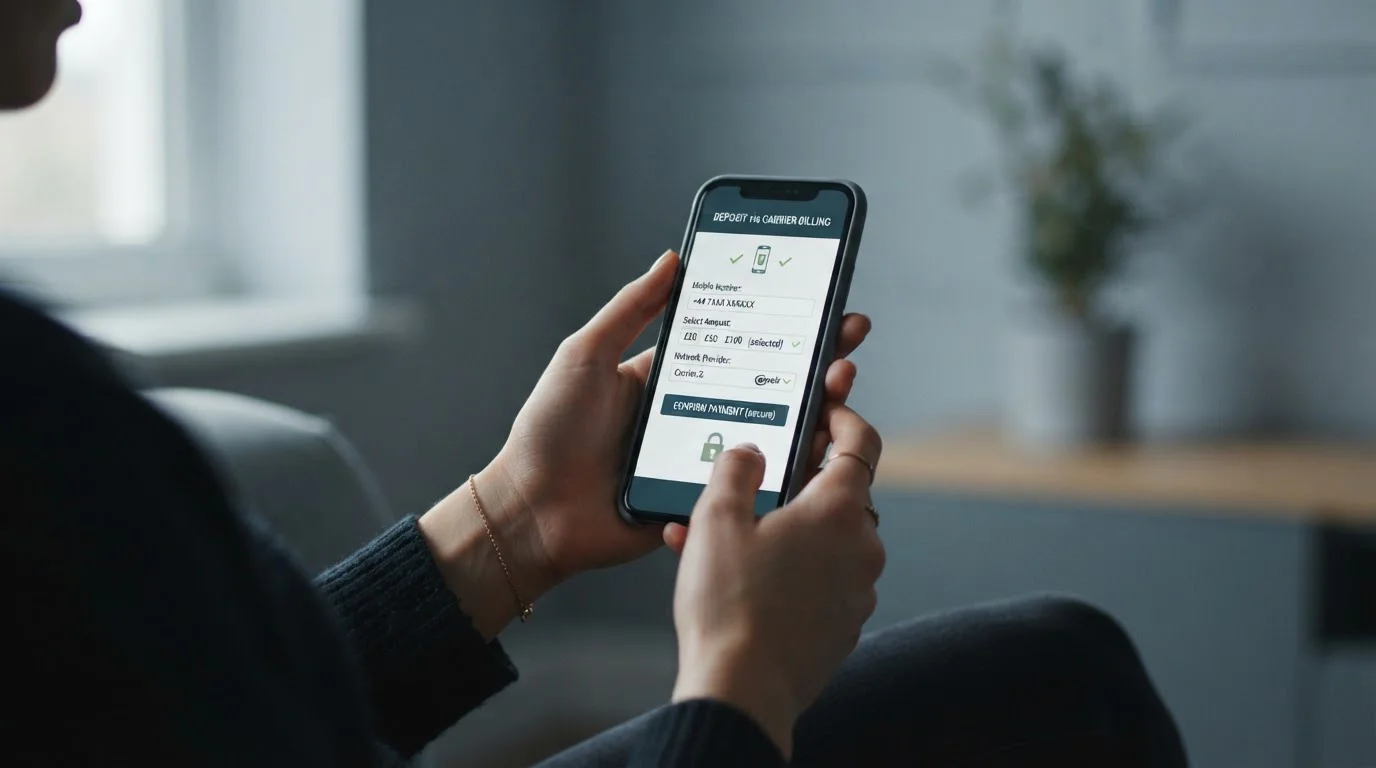
Boku has not disappeared from UK online casinos. The method has retreated from the household names — bet365, Sky Vegas, Paddy Power all dropped it years ago — but a cluster of mobile-first, white-label operators still process phone bill deposits in 2026. The question is not whether Boku exists. The question is where it survives, what it costs when you find it, and whether the surviving brands are worth trusting with real money.
That shift is what catches most players out. Search for Boku casinos today and half the results insist the method is dead, the other half list fifty sites as if nothing changed. Both are half right. Direct carrier billing for gambling has shrunk to a niche inside a niche, concentrated in ProgressPlay and Betable white-label networks where the transaction caps and processing fees align with the target demographic. Fonix now powers most of what still gets called Boku in search results. The rails merged in user experience but split in infrastructure, and almost nobody writing about this topic bothers to separate them.
This guide names the UKGC-licensed casinos that accept phone bill deposits right now, identifies which payment rail each one actually runs, states the processing fees where they can be verified, and walks through the withdrawal problem that every Boku-only depositor hits the moment they try to cash out. The list is small, the fees are higher than most payment methods, and the brands are unfamiliar. What follows is the applied map of where this works and what it costs in practice.
Table of Contents
- Can You Still Use Boku at UK Casinos in 2026?
- UK Casinos That Accept Boku and Pay-By-Mobile Deposits
- How Boku Casino Deposits Actually Work
- Boku Deposit Limits, Fees, and What You Actually Pay
- Can You Withdraw to Boku? (And What to Use Instead)
- Are Boku Casinos Safe and Legal in the UK?
- Boku Terminology Confusion: Cards, Debit, Instant Banking, and Boku Go
- Alternatives to Boku for UK Casino Deposits
- Boku Casino Bonuses and Game Access
- Mobile and App Play with Boku
- New Boku Casinos and When to Expect More
- GAMSTOP, Offshore "Boku Casinos," and What You’re Losing
- Crypto and Bitcoin: Do Any Boku Casinos Support It?
- Accounts, Registration, and No-Verification Claims
- How This List Was Checked
- Why Did Big UK Casinos Like bet365 and Sky Vegas Stop Accepting Boku?
- Do Boku Casino Deposits Count Towards Welcome Bonuses?
Can You Still Use Boku at UK Casinos in 2026?
Yes. Boku-style carrier billing survives at UK-licensed casinos, but the landscape has contracted sharply since 2020. The big-brand exodus left behind a cluster of mobile-first white-labels where phone bill deposits remain a core feature rather than a legacy checkbox. The confusion in search results stems from two overlapping realities: Boku the company scaled back its UK gambling presence, while Fonix stepped in as the dominant rail for what still gets called Boku by players who remember the brand from five years ago.
What Happened to Boku at the Big Brands
Between 2020 and 2025, every major UK operator with household-name recognition removed carrier billing from their cashiers. William Hill, Ladbrokes, Coral, bet365, Sky Vegas, and Paddy Power all historically supported phone bill deposits. None do now. The commercial and regulatory causes converged at the same time, making the method unviable for operators targeting higher-value players.
Processing fees for carrier billing run between fifteen and twenty percent of the transaction value, against one to three percent for debit cards. That cost difference alone would have pushed carriers out, but the regulatory caps sealed it. The Phone-Paid Services Authority mandates a forty-pound per-transaction cap and a two-hundred-forty-pound monthly ceiling across all carrier-billed purchases, not just casinos. A player hitting that cap in the first week of the month is locked out for three more weeks. Operators with average deposits above a hundred pounds cannot build retention around a method that cuts users off mid-month.
The third pressure came from the UKGC affordability checks rolling out between 2024 and 2026. Real-time spend tracking is straightforward when a debit card debits immediately. Carrier billing charges the phone bill at month-end for contract customers, or deducts from prepaid balance with no bank record. That delayed visibility complicates the cumulative deposit monitoring the regulator now requires. Operators consolidated their payment stacks rather than maintain integrations that create compliance friction for a shrinking user pool.
What survived is the inverse demographic: mobile-first white-label casinos where the typical session deposit sits between ten and thirty pounds, where the user base skews toward prepaid and bill-averse younger players, and where the transaction cap is not a blocker but a feature that matches the business model. ProgressPlay runs over a hundred such brands. Betable operates six. These are the operators that still list carrier billing in 2026, and they do not advertise it as Boku.
Boku vs Fonix: Which Rail Your Casino Actually Uses
Boku Network Services UK and Fonix Mobile are both carrier-billing providers. Both process deposits by charging your phone bill or deducting from prepaid balance. Both confirm via SMS. Both support the same UK networks: EE, O2, Vodafone, Three, Sky Mobile, Giffgaff. To the player at the cashier, the experience is identical. The brand distinction collapsed in search terminology years ago, which is why "Boku casinos" returns sites that have not integrated with Boku since 2023.
Boku, the company traded as BOKU on London’s AIM exchange, pivoted away from UK gambling carrier billing toward global digital wallets and non-gambling micropayments. The July 2026 announcement of direct carrier billing for parking via Just Park and O2 signals where Boku now focuses its UK energy. Gambling remains a vertical in other markets, but the UK casino footprint shrank as operators switched rails or dropped the method entirely.
Fonix filled that gap. Most pay-by-mobile casinos in the UK now run Fonix under the "Pay By Mobile" cashier branding. Duelz, HollywoodBets, MrQ, and VoodooDreams all confirmed Fonix as their carrier-billing provider in 2026. The PSA caps apply equally to both rails — forty pounds per transaction, two hundred forty per month — because those limits govern the billing category, not the processor. The fee structures vary by site and sometimes by network, but the range sits between zero and fifteen percent of the deposit.
A small number of ProgressPlay brands still integrate Boku directly. Jackpot Mobile Casino runs Boku with a verified zero-percent fee, a rarity that reflects either a legacy contract or a loss-leader positioning. Betrino uses PayViaPhone, a third carrier-billing provider with a confirmed fifteen-percent fee. The rail underneath matters less to the user than the fee charged on top, but knowing which processor a site uses becomes relevant the moment something goes wrong and you need to trace a disputed charge through your mobile network.
The search term "Boku casinos UK" persists because Boku was the recognisable brand when phone bill deposits first reached mass adoption around 2016. The method became synonymous with the provider. Fonix never achieved that brand penetration, so players still search for Boku even when the cashier button says Pay By Mobile and the backend runs Fonix. The contradiction in the search results — half the pages saying Boku is gone, half listing Boku sites — resolves when you separate the brand memory from the current infrastructure.
Can I still use Boku at UK online casinos in 2026?
Yes, at a limited number of UKGC-licensed operators where carrier billing remains integrated. The method is not dead but niche, concentrated in white-label networks rather than big-brand casinos. Expect Fonix to power most pay-by-mobile options, with occasional Boku or PayViaPhone integrations at specific sites.
UK Casinos That Accept Boku and Pay-By-Mobile Deposits
The active list in 2026 runs to ten verified operators, all holding current UKGC Remote Casino Operating Licences. Two white-label licensees dominate the pool: ProgressPlay Limited operates six of the ten brands, Betable Limited runs three, and one sits under Grace Media infrastructure. These are not household names. Monster Casino and Ivy Casino do not carry the recognition of a Betfair or a Grosvenor. That unfamiliarity is structural, not suspicious. White-labels share backend infrastructure while fronting distinct brands, a model that delivers licensing and compliance at scale without the marketing spend that builds name recognition.
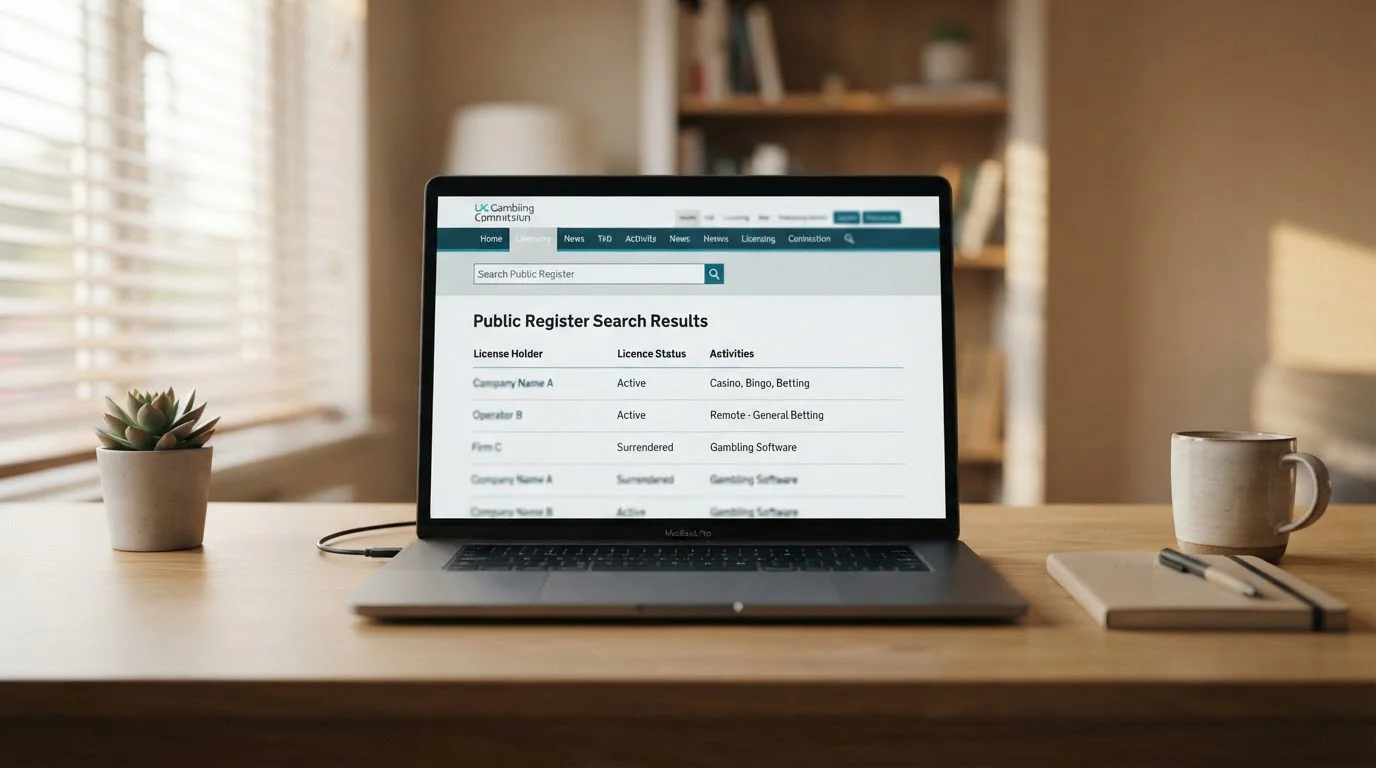
The table below aggregates the mechanics — licensee, rail, minimum, fee, offer — so the cost structure is visible before you click through. Every site listed holds an active UKGC licence verified against the public register in September 2026. Processing fees are stated where publicly confirmed or disclosed by the operator. Where fee data remains unverified, the table notes that gap rather than guessing.
| Casino | Licensee (UKGC Account) | Payment Rail | Minimum Deposit | Processing Fee | Welcome Offer |
|---|---|---|---|---|---|
| Monster Casino | ProgressPlay Limited (39335) | Carrier billing | £10 | Not disclosed | Up to £1,000 + 100 Free Spins |
| Ivy Casino | Betable Limited (23328) | Fonix | £20 | Not disclosed | 20 Free Spins on Big Bass Splash |
| O’Reels Casino | Betable Limited (23328) | Fonix | £20 | Not disclosed | Casino + Sportsbook |
| Rose Casino | Betable Limited (23328) | Fonix | £20 | Not disclosed | 20 Free Spins on Big Bass Splash |
| Spinzwin | ProgressPlay Limited (39335) | Carrier billing | £10 | £2.50 flat fee | 100% up to £50 + 20 Free Spins |
| Betrino | ProgressPlay Limited (39335) | PayViaPhone | £10 | 15% | 100% up to £50 |
| Space Wins | ProgressPlay Limited (39335) | Carrier billing | £10 | Not disclosed | 5 No-Deposit Free Spins + 500 Free Spins |
| Jackpot Mobile Casino | Grace Media (57869) | Boku | £10 | 0% | 20 Free Spins |
| Duelz | ALEA (48695) | Fonix | £10 | Not disclosed | 100% up to £100 + 100 Free Spins |
| MogoBet | Not verified | Carrier billing | £10 | Not disclosed | 100% + 20 Free Spins |
The licensee column matters because these brands share regulatory history. ProgressPlay Limited was fined one million pounds by the UKGC in August 2025 for anti-money laundering and social-responsibility failures. The licence remains active — ProgressPlay still operates legally in Great Britain — but the fine signals where the operator fell short and what the regulator will scrutinise on the next compliance review. Betable Limited carries a clean record: no fines, no sanctions, licence first granted in 2011 and continuously active. Players trusting an unfamiliar brand should verify the licensee, not the brand name.
Processing fees are the cost surprise. Betrino discloses fifteen percent upfront. Spinzwin charges a flat two-pound-fifty fee, which works out to eight percent on a thirty-pound deposit or twenty-five percent on a tenner. Jackpot Mobile Casino stands alone at zero percent, a positioning that makes it the only site in this list where a thirty-pound deposit credits thirty pounds to your balance. The majority do not disclose fees in their terms, leaving players to discover the deduction post-transaction when twenty-five-fifty lands instead of thirty.
Which UK casinos accept Boku or pay-by-mobile deposits?
The verified active list includes Monster Casino, Ivy Casino, O’Reels Casino, Rose Casino, Spinzwin, Betrino, Space Wins, Jackpot Mobile Casino, Duelz, and MogoBet. All hold UKGC licences. Most run Fonix or unspecified carrier-billing rails; Jackpot Mobile uses Boku directly; Betrino uses PayViaPhone.
Monster Casino
Monster Casino operates under ProgressPlay Limited, UKGC account 39335, a white-label licensee running over a hundred casino sites across UK, Malta, and Irish licences. The brand launched circa 2014 and sits in the mid-tier of the ProgressPlay portfolio: recognisable within the network, invisible outside it. The game library runs to five hundred slots, live casino tables from Evolution Gaming and Pragmatic Play Live, and the standard mix of blackjack and roulette variants. Pay-by-mobile deposits are accepted with a ten-pound minimum, though the specific rail — Boku, Fonix, or another carrier-billing provider — is not disclosed in the cashier.
The welcome offer scales to a thousand pounds plus a hundred free spins, one of the higher caps in this cohort. That figure is a maximum, not a realistic target: hitting the full bonus requires sustained deposits across multiple transactions, each capped at thirty pounds. The more relevant number is the first-deposit match, typically a hundred percent up to fifty or a hundred pounds. ProgressPlay sites share a template bonus structure, so expect standard forty-times wagering on the bonus amount and contribution rules that exclude or limit live casino and jackpot slots.
ProgressPlay’s million-pound fine in August 2025 centred on failures in customer interaction, source-of-funds checks, and responsible-gambling interventions. The enforcement action did not suspend the licence, but it flags that the UKGC found systemic gaps in how ProgressPlay brands handle at-risk players. Monster Casino was within the scope of that enforcement. The site remains legal and operational, but the regulatory history is part of the trust calculus when you are deciding whether to deposit at a brand you have never heard of.
Ivy Casino
Ivy Casino is a joint venture between Betable Limited, the UKGC licensee holding account 23328, and Grace Media Gibraltar, which provides the gaming content and platform infrastructure. Betable operates the compliance and payments side; Grace Media supplies the catalogue. The partnership model explains why Ivy Casino lists a UK licence but no Gibraltar Regulatory Authority permit — Betable is UK-only, and UK players do not need a Gibraltar licence when the UKGC licence covers them.
Pay By Mobile at Ivy Casino runs on Fonix with a twenty-pound minimum deposit. The processing fee is not disclosed in the terms, so expect to discover the net credit post-transaction. The welcome offer is twenty free spins on Big Bass Splash, a low-friction bonus that avoids the deposit-match wagering treadmill. Spin winnings carry their own requirements, but the absence of a staked bonus makes this one of the cleaner structures in the list. PayPal acceptance is present, a secondary trust signal — PayPal does not integrate with operators failing financial compliance checks, so the presence of that logo suggests Betable meets both gambling and payments standards.
Betable runs six brands under one licence: Ivy Casino, O’Reels Casino, Rose Casino, Bet442, Ivy Bet, and RightBet. Self-exclusion at any one of the six blocks access to all six. The brands share one customer database, one set of terms, and one regulatory record. That record is clean as of September 2026: no UKGC fines, no suspensions, licence granted in 2011 and active through twenty-six iterations. The network-wide exclusion policy is useful if you are trying to lock yourself out, less useful if you did not realise that registering at Ivy Casino also registers you across five other domains you have never visited.
O’Reels Casino
O’Reels Casino is another Betable Limited brand, sharing the UKGC licence 23328 with Ivy and Rose. The Irish theme runs through the branding but not the mechanics: this is the same Grace Media platform, the same Fonix pay-by-mobile rail, the same twenty-pound minimum. What distinguishes O’Reels from its sister sites is the combined casino-plus-sportsbook offering, a result of Betable adding General Betting Standard licences in February 2026. The sportsbook runs on Delasport following a December 2024 integration deal.
The casino catalogue is standard Grace Media fare: slots from the major providers, live dealer tables, a smaller selection of table games. Pay-by-mobile deposits work identically to Ivy — Fonix rail, SMS confirmation, charge to bill or prepaid deduction. Withdrawals require a separate method. The network-wide self-exclusion applies here too: exclude at O’Reels and you lose access to Ivy, Rose, Bet442, and the two sportsbook brands.
Betable expanded into sports betting only recently, which means the sportsbook side of O’Reels has less operational history than the casino. If you are depositing via phone bill to bet on football, the younger book warrants more caution than the established casino. The UKGC licence covers both activities, but a six-month-old sportsbook has fewer resolved edge cases than a six-year-old casino. For slots and live dealer, O’Reels sits in the same risk-and-reward tier as the rest of the Betable group.
Rose Casino
Rose Casino is the third Betable brand on this list, licensed under account 23328 and sharing infrastructure with Ivy and O’Reels. The floral branding is the main differentiator; the backend is identical. Pay By Mobile via Fonix, twenty-pound minimum, the same twenty free spins on Big Bass Splash that Ivy offers. The game library, withdrawal methods, and KYC requirements are network-standard. Self-exclusion at Rose blocks you from the other five Betable domains.
Rose Casino’s positioning within the Betable network is deliberately generic. Where Ivy leans into a slightly more upmarket visual style and O’Reels adds the sports angle, Rose is the baseline offer: slots, live casino, mobile-optimised interface, no distinguishing features beyond the name. That makes it interchangeable with Ivy for most use cases. If you already have an account at one Betable site, registering at Rose gives you nothing new except a separate welcome offer, assuming you have not already claimed a bonus on the network.
The clean regulatory record at Betable is the selling point here. ProgressPlay brands carry the million-pound fine; Betable does not. If that regulatory history matters to your trust decision, Rose Casino offers pay-by-mobile access without the enforcement baggage. The trade-off is a smaller welcome offer and a less recognisable brand name, but both of those are cosmetic.
Spinzwin
Spinzwin is a ProgressPlay Limited white-label, UKGC account 39335, positioned in the modern-design tier of the ProgressPlay portfolio. The interface uses bright colours, clear calls-to-action, and a layout that highlights recent winners and active jackpots. The game library leans heavily on Play’n GO slots — Book of Dead is the flagship title in the welcome offer — with a secondary selection of blackjack and roulette variants. Pay-by-mobile deposits are accepted with a ten-pound minimum and a flat two-pound-fifty processing fee.
That fee structure is unusual. Most sites deduct a percentage; Spinzwin charges a fixed amount. On a thirty-pound deposit, two-fifty is an eight-percent hit. On a ten-pound deposit, it is twenty-five percent. The flat fee favours larger deposits within the thirty-pound cap, which contradicts the entire positioning of carrier billing as a low-friction microtransaction method. The welcome offer is a hundred percent match up to fifty pounds plus twenty free spins on Book of Dead, a mid-range package by ProgressPlay standards.
Spinzwin shares the ProgressPlay enforcement history: the August 2025 million-pound fine applies network-wide, including this brand. The site remains legal and the licence active, but the regulatory failure is part of the operator’s record. The flat fee disclosure in the terms is more transparent than most competitors, which makes Spinzwin easier to cost-model before you deposit. Whether that transparency offsets the regulatory history depends on how much weight you give to a licensee-level fine versus a brand-level track record.
Betrino
Betrino, formerly known as BritainBet, is a ProgressPlay Limited white-label that rebranded at some point between 2024 and 2026. The rebrand did not change the licensing or the platform: UKGC account 39335, same ProgressPlay backend, same combined casino-plus-sportsbook structure seen across the network. Pay-by-mobile deposits run on PayViaPhone, not Boku or Fonix, with a verified fifteen-percent processing fee. That fee is disclosed in public reviews, though whether it appears in the on-site terms depends on where you check.
The fifteen-percent deduction is the highest confirmed fee in this list. A thirty-pound deposit credits twenty-five-fifty to your casino balance. A ten-pound deposit credits eight-fifty. The fee structure makes Betrino the worst option for cost-sensitive players, but the upside is transparency: the fee is known and consistent, not discovered post-transaction. The welcome offer is a hundred percent match up to fifty pounds, standard ProgressPlay positioning. The combined casino and sports offering means you can use the same carrier-billed deposit for both verticals, though bonus eligibility often splits between the two.
Betrino carries the same ProgressPlay regulatory baggage as Monster and Spinzwin. The million-pound fine covers all ProgressPlay brands, and Betrino was operating under the ProgressPlay licence when the enforcement action landed. The clean, functional interface and the straightforward fee disclosure are points in its favour. The fifteen-percent cost and the regulatory history are points against. If you need carrier billing and the fee does not deter you, Betrino works. If the fee bothers you, Jackpot Mobile at zero percent is the alternative.
Space Wins
Space Wins is the sci-fi-themed entry in the ProgressPlay portfolio, UKGC account 39335, with a welcome structure that leans into gamification rather than a straight deposit match. The headline offer is five no-deposit free spins on Starburst, playable without funding your account, plus up to five hundred free spins unlocked through deposit activity and regular play. That progression model trades the instant-gratification lump bonus for a drip-feed of smaller rewards tied to continued engagement.
Pay-by-mobile deposits are accepted with a ten-pound minimum. The specific rail and processing fee are not disclosed in available terms, so treat the net credit as unknown until you test it. The game library is ProgressPlay-standard: slots, live casino, table games, mobile-optimised interface. The space theme is cosmetic branding over the same platform that powers Monster, Spinzwin, and Betrino.
The no-deposit free spins are the hook here. Five spins on Starburst gives you a zero-risk test of the platform before committing a deposit. Winnings from no-deposit spins carry their own wagering requirements and caps, often lower than deposit-linked bonuses, but the absence of a funding requirement makes this the lowest-friction entry point in the ProgressPlay network. The five-hundred-spin progression total sounds generous until you read the unlocking conditions: deposits, wagering thresholds, time gates. Expect the full five hundred to take weeks or months of regular play, not one session.
Jackpot Mobile Casino
Jackpot Mobile Casino operates under UKGC licence 57869, held by a Grace Media network entity, and is the only verified site in this list that processes carrier billing with a zero-percent fee. A thirty-pound deposit credits thirty pounds. A tenner credits ten. The absence of a processing fee makes Jackpot Mobile the cost leader for phone bill deposits, a positioning that reflects either a legacy contract with Boku or a deliberate loss-leader strategy to acquire mobile-first players.
The mobile-first heritage is genuine. Jackpot Mobile launched on the Nektan platform before Grace Media took over operations, and the brand was built for small screens and low-data environments before mobile-first became an industry standard. The game library is smaller than the ProgressPlay megabrands — expect a few dozen slots, not hundreds — but the performance on mobile networks is optimised in ways that matter more to a carrier-billed depositor than catalogue depth. The welcome offer is twenty free spins, a minimal bonus that avoids the complexity of deposit matching and multi-tier wagering.
The zero-percent fee is the only reason to choose Jackpot Mobile over the alternatives. The brand recognition is lower, the game selection narrower, the bonus less generous. If cost is the deciding factor — and for carrier billing, cost should be high on the list — this is the site that preserves your full deposit. If you want a bigger catalogue or a flashier interface, the ProgressPlay or Betable brands offer that at the expense of an eight-to-fifteen-percent deduction.
Duelz
Duelz holds UKGC licence 48695 under ALEA Limited and positions itself in the arcade-gamification tier of UK casinos. The brand uses tournament mechanics, level progression, and achievement unlocks to add a meta-game layer on top of the standard slots and live dealer catalogue. Pay By Mobile runs on Fonix with a ten-pound minimum deposit. The processing fee is not disclosed, so expect variance between your cashier input and your credited balance.
The welcome offer is a hundred percent match up to a hundred pounds plus a hundred free spins, one of the higher-value packages in this list. The bonus structure follows standard UKGC-compliant wagering rules: forty times on the bonus, contribution rates that penalise live casino and jackpots, expiry timers that push you to clear the playthrough quickly. The gamification features — tournaments, leaderboards, prize drops — run separately from the welcome bonus and do not require opt-in beyond creating an account.
Duelz has built its brand positioning around the arcade mechanics rather than the payment methods. Carrier billing is available but not advertised as a flagship feature. The site skews toward regular players who engage with progression systems, not casual depositors looking for a quick phone bill top-up. If the gamification appeals, Duelz is a stronger pick than the bare-bones ProgressPlay brands. If you just need carrier billing and nothing else, the more transparent operators offer better cost visibility.
MogoBet
MogoBet appears in competitor lists as a pay-by-mobile operator, but public verification of its UKGC licence and operating entity is incomplete in available data as of September 2026. The site offers a ten-pound minimum deposit and a welcome package of a hundred percent match plus twenty free spins. The payment rail and processing fee are not disclosed. Without a verified UKGC account number, licence status cannot be cross-checked against the public register.
The absence of verified licensee data does not mean MogoBet is unlicensed — it means the domain-to-licensee mapping could not be confirmed from the available sources. The site may hold a valid UKGC licence under a parent entity or white-label arrangement that is not immediately visible. The cautious approach is to verify the licence yourself via the UKGC public register before depositing, using the domain search function at gamblingcommission.gov.uk/public-register/businesses. If the search returns an active Remote Casino Operating Licence, MogoBet is legal. If it returns no results or a non-active status, avoid the site.
The inclusion of MogoBet in this list is conditional. The brand is mentioned in multiple 2026 competitor reviews as a pay-by-mobile casino, which suggests operational presence, but without confirmed regulatory data the trust level is lower than the fully verified brands above. Use MogoBet only after completing your own licence check. If the verification fails or feels unclear, stick to the operators with transparent UKGC account numbers.
How Boku Casino Deposits Actually Work
Carrier billing deposits take three steps and about forty-five seconds from cashier click to confirmed balance. The method bypasses bank logins, card details, and e-wallet accounts entirely. Your mobile number is the identifier, your network handles the authentication, and the charge lands on your bill or prepaid balance depending on your contract type. The simplicity is the point: no financial information shared with the casino, no new account to set up, no password to forget.
Step-by-Step: Depositing via Phone Bill
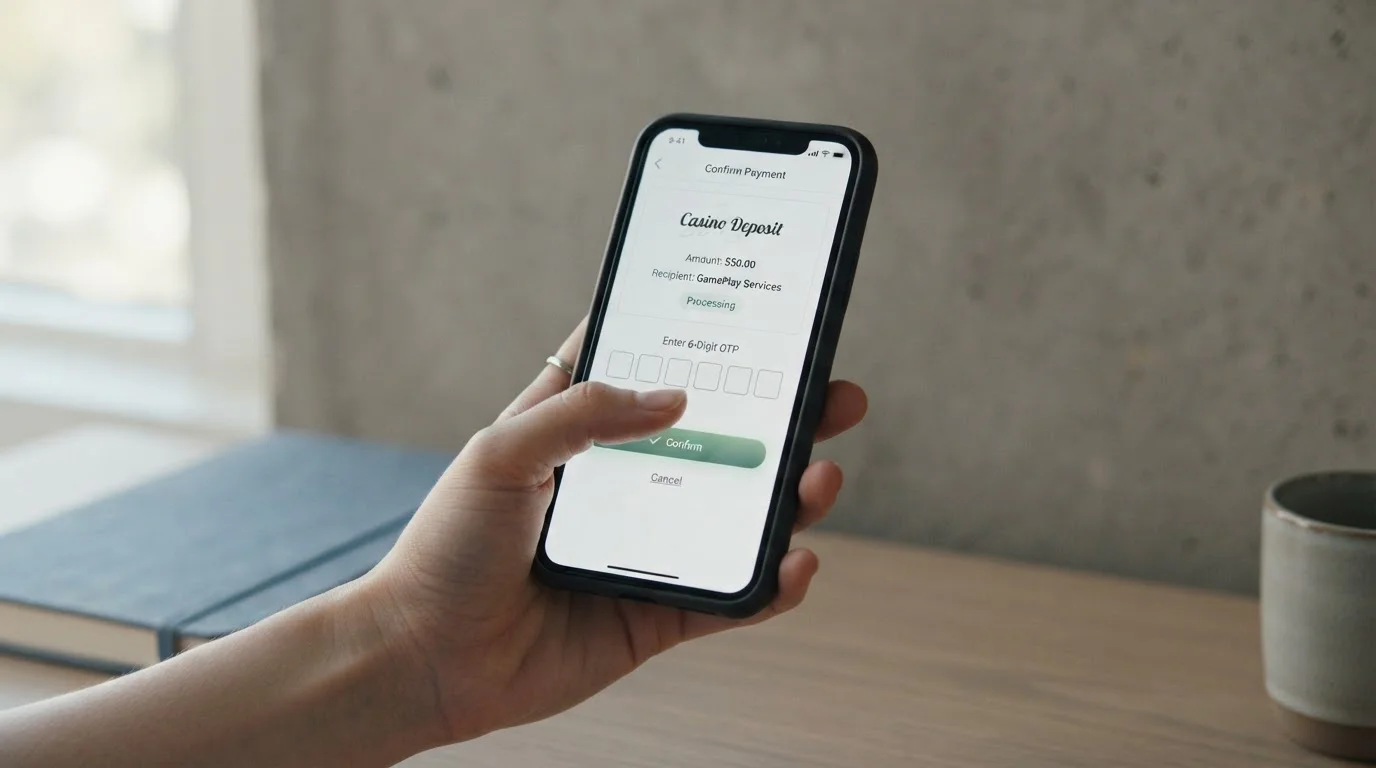
Select Pay By Mobile, Boku, or Fonix from the casino cashier. The branding varies by site, but the flow is identical. Enter your UK mobile number in the format requested — usually with or without the leading zero, the form will tell you which. Click confirm or proceed.
An SMS arrives within ten seconds containing a four-digit PIN or a confirmation code. Some implementations ask you to reply with YES, others ask you to enter the PIN back into the cashier field on the casino site. Follow whichever instruction the SMS gives you. The two-factor confirmation is mandatory under PSA rules — no PIN, no deposit.
The deposit confirms within another ten to thirty seconds. Your casino balance updates with the net credited amount, which may be lower than the amount you requested if the site deducts a processing fee. The charge is now registered with your mobile network. If you are on a contract, it appears as a line item on your next monthly bill. If you are on pay-as-you-go, the amount debits from your prepaid balance immediately, and you will see the reduced balance the next time you top up or check your account.
No email confirmation, no payment-provider dashboard, no transaction history beyond the SMS and the casino balance update. The charge flows through your mobile network’s billing system, not through a separate financial institution. That opacity is a feature for users who want minimal data trails, but it also means reconciling a disputed charge requires calling your network, not the casino.
Contract vs Pay-As-You-Go: How You’re Charged
Contract customers on a monthly billing cycle see the charge added to their next phone bill as a separate line item, usually labelled with the casino name or a generic descriptor like premium service or digital purchase. The bill arrives at month-end, you pay it as normal, and the casino charge is bundled with your voice, data, and text costs. The casino receives the funds from your network within a settlement window, typically two to five business days after you made the deposit, though that timing is invisible to you — your balance credited instantly.
Pay-as-you-go customers have the amount deducted from their prepaid balance the moment the deposit confirms. If your balance is fifteen pounds and you deposit ten, your remaining balance drops to five. If your balance is eight pounds and you try to deposit ten, the transaction fails — prepaid does not allow overdrafts. The deduction is immediate and irreversible. Topping up your prepaid balance after a casino deposit does not refund or reverse the charge; the ten pounds is gone.
The contract model introduces a timing risk that prepaid avoids. If you deposit thirty pounds on the first of the month and your phone bill is not due until the thirtieth, you have spent money you have not yet paid for. That deferred liability is how carrier billing originally scaled — buy now, pay later, with zero credit checks — but it also means a bad gambling session can leave you with a bill you cannot cover at month-end. Prepaid forces immediate settlement: you can only spend what you already loaded, which acts as a natural brake.
Networks track cumulative carrier-billed spending across all services, not just casinos. Your two-hundred-forty-pound monthly cap includes parking, app purchases, charity donations, and any other premium-rate charge that routes through the same billing category. Hit the cap mid-month on non-gambling purchases and your casino deposit will decline even though you have not reached any casino-specific limit. That cross-service ceiling is invisible until you hit it, and the error message at the casino cashier will not explain that you are blocked because you spent eighty pounds on parking apps earlier in the month.
Which UK Mobile Networks Support Boku
EE, O2, Vodafone, Three, Sky Mobile, Giffgaff, Tesco Mobile, and Virgin Mobile all support carrier billing for gambling transactions, though individual network policies and caps vary. The forty-pound per-transaction and two-hundred-forty-pound monthly maximums are PSA regulatory ceilings, not network choices, so those limits apply universally. Some networks impose lower caps for specific customer segments — new contracts, youth accounts, or customers flagged for previous payment issues — but those restrictions are account-specific and not disclosed in public network policy documents.
Virtual network operators that piggyback on the big-four infrastructure generally inherit carrier-billing support from their host network, but integration is not automatic. Sky Mobile runs on O2’s network and supports carrier billing. Giffgaff also runs on O2 and supports it. Whether a smaller MVNO offers the feature depends on their commercial agreement with the host, which changes without customer-facing announcements. If your network is not in the list above, the only way to confirm support is to attempt a deposit and see whether the option appears in the casino cashier after you enter your number.
Network coverage maps and 4G versus 5G speeds do not affect carrier billing. The transaction routes through the billing system, not the data network. You can deposit via carrier billing on a phone with zero signal as long as you can receive the SMS confirmation, which often works even when data and voice are unavailable. The SMS delivery depends on the network’s SMS infrastructure, which is separate from internet connectivity.
Boku Deposit Limits, Fees, and What You Actually Pay
The regulatory maximum is forty pounds per transaction and two hundred forty pounds per month. Most casinos implementing carrier billing set their per-transaction cap at thirty pounds, a round figure below the PSA ceiling that aligns with typical mobile-gambling session budgets. A minority allow the full forty. None go higher — the PSA cap is a legal maximum, and exceeding it would risk the operator’s payment-processing licence.
Daily limits vary by site. Some allow one thirty-pound transaction per day. Others allow two or three smaller deposits adding up to sixty pounds across the day. The casino sets this policy, not the network or the payment processor, and the limit resets at midnight UK time. The monthly cap is cumulative and network-enforced: two hundred forty pounds across all carrier-billed purchases, tracked from the first of the month to the last day, regardless of how many casinos or non-gambling services you use the method with.
Processing fees are where the advertised deposit diverges from the credited balance. Betrino charges fifteen percent. Spinzwin charges a flat two-fifty. Jackpot Mobile charges zero. The majority do not disclose fees in their terms, leaving you to discover the deduction when the balance updates. A thirty-pound deposit at a fifteen-percent fee credits twenty-five pounds fifty to your casino account. The missing four-fifty went to the payment processor, the casino, or both, depending on how the commercial agreement splits the cost.
The fee structure affects bonus eligibility in ways most welcome offers do not explain. If a bonus requires a minimum thirty-pound qualifying deposit and your thirty-pound transaction credits twenty-five-fifty after a fifteen-percent fee, you do not qualify unless the casino calculates eligibility based on the pre-fee amount. Some do, most do not, and the terms rarely clarify which method applies. The safest assumption is that the credited amount determines eligibility, which means a fifteen-percent fee forces you to deposit thirty-six pounds to qualify for a thirty-pound threshold bonus.
| Casino | Min Deposit | Max Per Transaction | Monthly Cap | Processing Fee | Net Amount from £30 Deposit |
|---|---|---|---|---|---|
| Betrino | £10 | £30 | £240 | 15% | £25.50 |
| Spinzwin | £10 | £30 | £240 | £2.50 flat | £27.50 |
| Jackpot Mobile Casino | £10 | £30 | £240 | 0% | £30.00 |
| Monster Casino | £10 | £30 | £240 | Not disclosed | Unknown |
| Ivy Casino | £20 | £30 | £240 | Not disclosed | Unknown |
| Space Wins | £10 | £30 | £240 | Not disclosed | Unknown |
| Duelz | £10 | £40 | £240 | Not disclosed | Unknown |
The table isolates the sites where fee data is verified or publicly disclosed. The net-amount column shows what you actually receive from a thirty-pound deposit after fees are deducted. That five-pound spread between Betrino at the bottom and Jackpot Mobile at the top is the entire cost difference in this market. If you deposit thirty pounds ten times a month, the difference is fifty pounds in fees over the same activity.
Networks may charge their own fees on top of the casino or processor deduction, though this is rare and usually limited to international transactions or premium-rate services outside the standard carrier-billing category. UK domestic gambling deposits typically pass through without additional network charges, but the only way to confirm is to check your bill or prepaid balance after the first deposit and compare the deduction to the amount you requested.
What is the maximum I can deposit with Boku at a UK casino?
Thirty pounds per transaction at most sites, forty pounds at a few, and two hundred forty pounds per month across all carrier-billed purchases. The monthly cap is network-enforced and cumulative, not casino-specific.
Is there a fee for depositing with Boku at UK casinos?
Yes, at most sites. Verified fees range from zero percent at Jackpot Mobile Casino to fifteen percent at Betrino. Spinzwin charges a flat two-fifty. The majority do not disclose fees, so expect a deduction between the requested amount and the credited balance.

Can You Withdraw to Boku? (And What to Use Instead)
No. Boku, Fonix, PayViaPhone, and every other carrier-billing provider in the UK market are deposit-only by design. You cannot receive casino winnings back to your phone bill or prepaid balance. The technical reason is simple: mobile networks do not issue refunds or credits via the carrier-billing system for third-party purchases. The regulatory reason is tighter: UKGC requires licensees to verify customer identity and payment-method ownership before processing withdrawals, and a phone number alone does not satisfy KYC.
Why Boku Is Deposit-Only
Carrier billing was built for one-way transactions: charge the customer’s bill or balance, settle with the merchant, done. The infrastructure for reversing that flow does not exist at the network level. When you pay for an app or a parking session via carrier billing, the transaction is final. Refunds for faulty purchases go through customer service and manual credits, not automated reversals through the billing system. Casinos cannot use a manual-credit process for gambling payouts because the regulator requires instant, auditable, player-controlled withdrawals.
The KYC constraint is the secondary block. Depositing via phone bill does not verify your identity, age, or address. It verifies you control a UK mobile number, which is not sufficient proof of anything the UKGC cares about. Before a casino can pay out, they must verify your identity with photo ID and proof of address dated within three months. That verification links your casino account to your legal identity, not your phone number. The payout must then go to a method that matches that verified identity: a bank account in your name, a debit card in your name, an e-wallet account in your name. A phone bill does not meet that standard.
Some casino terms state that withdrawals must use the same method as the deposit, which makes carrier billing sound like a trap. The actual practice is less strict: if your only deposit method is carrier billing, the casino will ask you to add and verify a withdrawal method during your first cashout attempt. That usually means uploading ID documents and linking a debit card or bank account. The withdrawal then processes to that verified method, and the requirement to "match the deposit method" is waived because matching is impossible.
Which Withdrawal Method to Set Up Now
Do not wait until you have winnings to think about withdrawals. Set up a verified withdrawal method immediately after your first Boku deposit, before you play a single spin. The KYC process can take one to five business days depending on the casino’s verification queue and the quality of the documents you upload. If you win and then start the verification process, your cashout sits in pending status for a week while the casino checks your ID. If you verify upfront, the payout processes as soon as you request it.
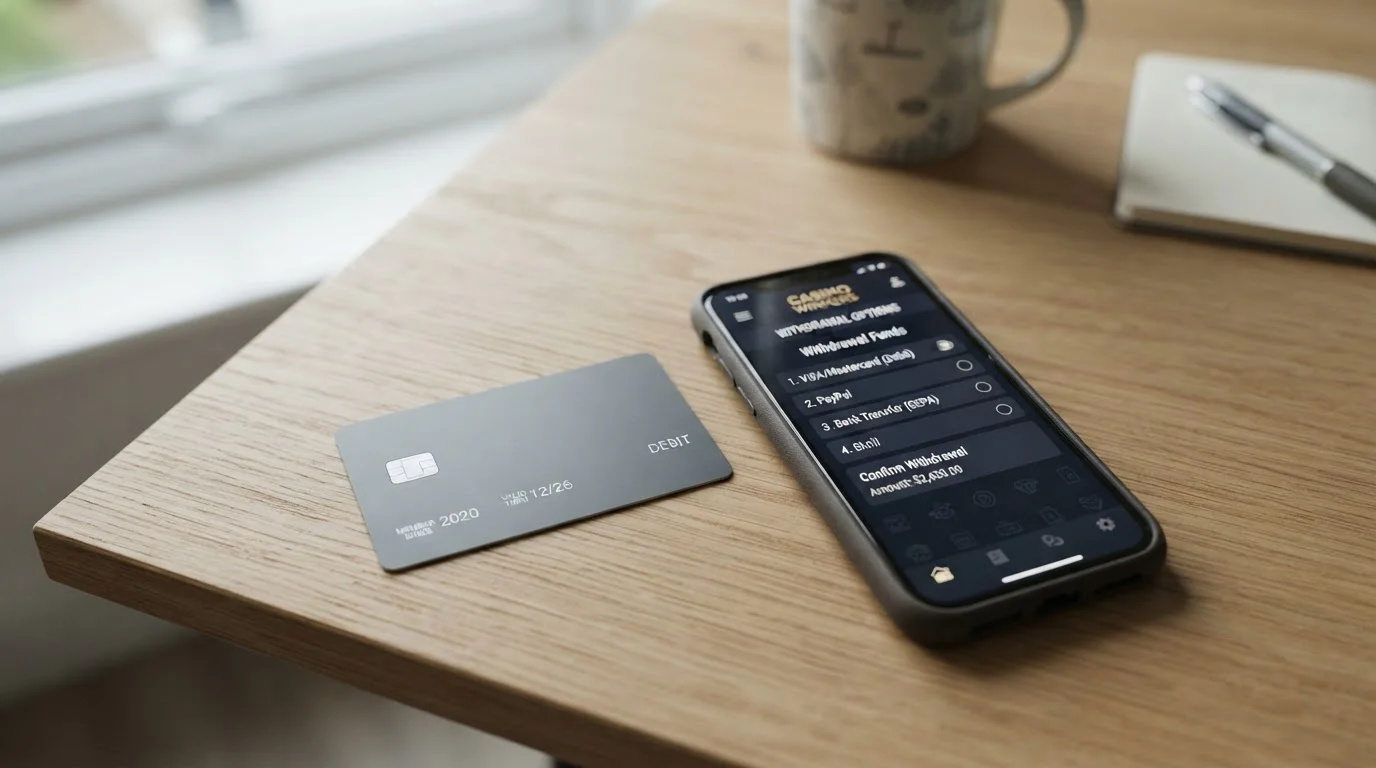
Debit card is the default choice for most UK players. If you have a Visa or Mastercard debit card in your name, link it to your casino account by making a small deposit with it — five or ten pounds is enough to verify ownership. The casino will ask for the card number, expiry, and CVV, process a test transaction, and mark the card as verified. Withdrawals to that card then take one to three business days, slightly longer for the first payout while the casino conducts final checks, faster for subsequent cashouts once you are in their trusted-user tier.
Bank transfer works if you do not have a debit card or prefer not to use one. Provide your sort code and account number via the casino’s banking page. The casino will ask for proof that the account is yours, usually a bank statement with your name and address visible, dated within three months. The first withdrawal can take three to five business days. Subsequent withdrawals to the same account drop to one to three days. Bank transfer has no intermediary fees on the casino side, though your bank may charge for incoming transfers if you are on a budget account — check with them first.
E-wallets — PayPal, Neteller, Skrill, MuchBetter — are faster than debit cards for withdrawals once verified, typically clearing in under twenty-four hours. The setup friction is higher because you need to create the e-wallet account, link a funding source to it, deposit from the e-wallet to the casino at least once to prove ownership, and then withdraw back to it. If you already use PayPal or Skrill for other online purchases, this is trivial. If you do not, setting up an e-wallet just to cash out from a Boku casino adds unnecessary complexity unless speed is your priority.
KYC Timing: When You’ll Need to Upload ID
UKGC licensees must verify your identity before processing your first withdrawal or when your cumulative deposits hit two thousand pounds, whichever comes first. The two-thousand-pound threshold is a regulatory checkpoint: cross it without completing KYC and the casino blocks further deposits and withdrawals until you upload documents. Most players hit the withdrawal trigger first — you deposit fifty, win three hundred, try to cash out, and the casino asks for ID.
The documents required are a photo ID and proof of address. Acceptable photo ID includes a passport, driving licence, or national identity card. The image must be clear, all four corners visible, and the expiry date valid. Proof of address requires your name and current address printed on a document issued within the last three months: a utility bill, bank statement, council tax bill, or HMRC correspondence. Screenshots and photocopies are usually rejected; the casino wants a scan or photo of the original document.
Upload both documents via the casino’s verification page or email them to the support address listed in the banking section. The casino checks the documents against their records, cross-references your name and date of birth with third-party verification databases, and either approves or requests re-upload if the image quality is poor. Approval can happen in a few hours at well-staffed casinos or drag out to five business days at slower ones. You receive an email confirmation once verification is complete, and your withdrawal processes shortly after.
Can I withdraw my winnings to Boku or my phone bill?
No. Carrier billing is deposit-only. Withdrawals require a bank account, debit card, or e-wallet verified in your name.
What should I do if I want to withdraw money from a Boku casino?
Link a debit card or e-wallet to your account immediately after your first Boku deposit. Upload photo ID and proof of address proactively to complete KYC before you win. When you are ready to cash out, select your verified method and request the withdrawal. Expect one to five business days for the first payout, faster for subsequent ones.
Are Boku Casinos Safe and Legal in the UK?
Yes, if they hold an active UKGC Remote Casino Operating Licence. The brands listed in this guide are legal because they operate under current UKGC licences, not because the Boku brand confers legitimacy. The payment method and the operator’s regulatory status are separate questions. A casino can accept Boku deposits and be unlicensed. Another can accept Boku and hold a clean UKGC licence. The method tells you nothing about the site; the licence tells you everything.
The unfamiliarity of the brand names — Monster Casino, Spinzwin, Ivy Casino — creates a trust problem that name recognition usually solves. Players trust bet365 and Ladbrokes because those names are ubiquitous in UK gambling. The white-label brands accepting Boku in 2026 are invisible outside the carrier-billing niche, which makes them look suspicious when they are merely small. Verifying the licence is the only reliable trust mechanism when the brand carries no reputation signal.
How to Verify a UKGC Licence in 2 Minutes
Visit gamblingcommission.gov.uk/public-register/businesses. The UKGC public register is free, searchable, and updated in real time. It is the definitive source for licence status, not the casino’s footer or a third-party review site. Enter the casino’s domain name exactly as it appears in your browser — www.monstercasino.com, ivycasino.com, oreels.com — into the search box. The register searches domains, trading names, and licensee business names, but the domain match is most reliable because it is unique.
The result page shows the licensee name, the UKGC account number, the licence status, and the authorised activities. Check three things: licence status must be Active, licence type must include Remote Casino Operating Licence or Remote Betting Operating Licence depending on whether the site offers casino or sports, and the domain you searched must appear in the domain list. If the status is anything other than Active — suspended, revoked, expired, lapsed — the site is not legally operating in Great Britain, regardless of what their homepage claims.
The register also lists enforcement actions: fines, licence condition changes, regulatory settlements. If the licensee shows a recent fine, read the linked enforcement notice to understand what the operator did wrong and how the UKGC responded. A million-pound fine is a red flag but not a dealbreaker if the licence remains active. A suspended or revoked licence is a dealbreaker — leave immediately, do not deposit.
ProgressPlay and Betable: Who Runs These Brands
ProgressPlay Limited holds UKGC account 39335 and operates over a hundred white-label casino sites across UK, Malta, and Irish licences. Monster Casino, Spinzwin, Betrino, Space Wins, and HotWins all trace to ProgressPlay. The model is volume: dozens of brands sharing one platform, one compliance team, one licence, differentiated by branding and bonus structures but identical in backend operations. The efficiency advantage is cost; the reputation risk is that a failure at one brand affects the entire network.
ProgressPlay was fined one million pounds by the UKGC in August 2025 for systemic failures in anti-money laundering controls and social responsibility obligations. The enforcement notice detailed insufficient source-of-funds checks, inadequate interventions for at-risk customers, and poor record-keeping around customer interactions. The fine did not suspend the licence, meaning ProgressPlay sites remain legal, but it signals that the UKGC found serious gaps in how the operator protects vulnerable players. The fine applies to the licensee, not individual brands, so Monster and Spinzwin share that regulatory history even though they are marketed as distinct entities.
Betable Limited holds UKGC account 23328 and operates six brands: Ivy Casino, O’Reels Casino, Rose Casino, Bet442, Ivy Bet, and RightBet. The licence was first granted in June 2011 and has been continuously active through twenty-six iterations. Betable’s regulatory record is clean as of September 2026: no fines, no suspensions, no enforcement notices. The operator added sports betting licences in February 2026, expanding from casino-only to combined offerings. All six brands share one customer database and one network-wide self-exclusion regime — self-exclude at one and you are blocked from all six.
The white-label model explains why these brands are unfamiliar. They do not advertise on television, sponsor football clubs, or run billboard campaigns. The customer acquisition happens through affiliate sites and search engine optimisation, not mass-market brand building. That invisibility is not suspicious; it is just cheaper. The trust mechanism is the licence, not the logo.
Red Flags: What to Avoid
A casino claiming to be UK-licensed but listing only a Curacao, Malta, or Gibraltar licence is not legal for UK players. The UKGC requires a specific UK Remote Operating Licence to offer services to customers in Great Britain. A Curacao licence alone does not grant that right. If the site’s footer shows no UKGC logo or lists a non-UK jurisdiction, search the UKGC register by domain. If the search returns no result, the site is unlicensed in the UK and operating illegally.
A clickable UKGC logo in the footer should link directly to the operator’s page on the UKGC public register. If the logo is a static image with no link, or if the link leads to a 404 or a generic UKGC homepage rather than the specific licensee record, treat it as a fake logo. Unlicensed sites copy regulatory logos to appear legitimate; the link reveals whether the logo is genuine. Click it and confirm the domain appears in the licensee’s active domain list.
Low-quality logo images — pixelated, stretched, or visibly low-resolution — are another tell. The UKGC provides high-resolution vector logos for licensees to use. A blurry or poorly sized logo suggests the operator copied it from another site rather than received it from the regulator. That is not proof of fraud by itself, but it is a reason to verify the licence manually before depositing.
Terms and conditions that contradict UK law are a red flag. If the site’s terms state that disputes are governed by Curacao law, or that withdrawals take up to thirty days, or that the operator can void winnings without explanation, the site is not following UKGC rules. UK licensees must offer dispute resolution through IBAS or another approved ADR provider, process withdrawals within a reasonable timeframe, and cannot void winnings arbitrarily. Terms written for a non-UK audience indicate the site is not primarily operating under UK regulation.
Are Boku casinos safe and legal in the UK?
Yes, if they hold an active UKGC Remote Casino Operating Licence. Verify the licence via the UKGC public register at gamblingcommission.gov.uk before depositing. The payment method does not determine legality; the licence does.
Boku Terminology Confusion: Cards, Debit, Instant Banking, and Boku Go
A significant portion of searches for Boku casinos include terms that describe products that do not exist. "Boku card casinos," "Boku debit card," "Boku instant banking," "Boku withdrawal," and "Boku Go" all return results, but none of these products operate in the UK gambling market in 2026. The confusion likely arises from conflating carrier billing with other payment categories, misremembering discontinued product names, or encountering misleading affiliate content that matches broad search terms without fact-checking.
Boku is carrier billing. It charges a purchase to your mobile phone bill or deducts from your prepaid balance. It is not a card issuer, not a bank, not a wallet provider. Boku does not issue debit or credit cards. Boku does not offer instant bank transfers. Boku does not process withdrawals. If you are searching for a casino that accepts a Boku-branded card, you are searching for something that does not exist. If you want carrier billing, search for "pay by mobile casinos" or check the cashier for Boku, Fonix, or PayViaPhone as a deposit option.
"Boku instant banking" is a category error. Instant banking refers to account-to-account payment methods like Trustly, Pay By Bank, or Sofort, which connect directly to your online banking and transfer funds in real time. Boku does not operate in that category. If you want instant banking, look for Trustly or Open Banking options in the casino cashier, not Boku.
"Boku withdrawal" does not exist because carrier billing is deposit-only. The number of searches for this term suggests players expect symmetry — deposit via Boku, withdraw via Boku — but the infrastructure does not support payouts to phone bills. If you deposited via Boku and need to withdraw, you need a separate method: debit card, bank transfer, or e-wallet.
"Boku Go" was a trial product circa 2017-2018 for carrier-billed online shopping, unrelated to gambling. The product was discontinued years ago. Any current searches for Boku Go likely reflect outdated information or confusion with "pay and go" or "pay as you go" terminology. Boku Go is not active in 2026 and was never integrated with UK casinos.
"Boku Identity" is a real product, but it is an identity verification service, not a payment method. Boku offers age and identity verification APIs to merchants, separate from carrier billing. UK casinos do not use Boku Identity for KYC because UKGC licensees follow their own verification processes involving photo ID and proof of address. The term "verified by Boku casinos" in search results likely reflects user confusion with "Verified by Visa" or similar card authentication schemes, not an actual Boku verification product in use at casinos.
What is the difference between Boku and Fonix?
Boku and Fonix are both carrier-billing providers that process deposits by charging your phone bill. To the user, the experience is identical. Fonix now powers most pay-by-mobile casinos in the UK, while Boku reduced its UK gambling presence. Both are deposit-only, both support the same networks, and both operate under the same PSA caps.
Alternatives to Boku for UK Casino Deposits
The thirty-pound cap, the fifteen-percent fees at some sites, and the deposit-only constraint make Boku unsuitable for a large segment of players. If you need to deposit more than thirty pounds at once, if the processing fee cuts too deep into your bankroll, or if you want a method that handles both deposits and withdrawals, the alternatives below solve one or more of those problems. Each method trades different variables — speed, cost, setup friction, withdrawal support — so the best replacement depends on which Boku limitation is your blocker.
When You Need an Alternative (Cap, Fee, or Withdrawal Support)
The thirty-pound cap hits first. If your typical session budget is fifty or a hundred pounds, carrier billing forces you to split that across multiple transactions, each potentially incurring its own fee and each eating into your daily or monthly network cap. A player depositing a hundred pounds via three separate Boku transactions at fifteen percent loses forty-five pounds to fees. The same deposit via debit card or PayPal costs nothing.
Processing fees become unacceptable when they cross ten percent of the deposit. A two-fifty fee on a thirty-pound deposit is eight percent, annoying but tolerable. A two-fifty fee on a ten-pound deposit is twenty-five percent, which is extractive. Betrino’s fifteen-percent fee makes every deposit a losing proposition before you spin a reel. If cost matters, any zero-fee method — debit card, Trustly, PayPal, most e-wallets — is better.
The deposit-only limitation is the universal blocker. Every Boku user eventually needs to cash out, and that requires setting up a second method. If you know you will need a withdrawal-capable method anyway, using that method for deposits too eliminates the carrier-billing step entirely. The only reason to use Boku when you have a debit card or e-wallet is preference for billing simplicity or a desire to avoid sharing bank details with the casino. If neither of those applies, the two-method juggle is pure friction.
Best Boku Alternatives Ranked: Debit Cards, Trustly, PayPal, E-Wallets
Debit cards — Visa and Mastercard — are the universal fallback. No transaction caps beyond your daily card limit, no fees on deposit or withdrawal at UKGC casinos, and two-way support so the same card handles funding and cashouts. Setup friction is minimal: enter your card number, expiry, and CVV once, and the casino saves it for future use. Withdrawals take one to three business days, slower than e-wallets but faster than bank transfers. The downside is sharing your card details with the casino, which some players avoid on principle, and the visibility in your bank statement, which carrier billing circumvents.
Trustly is the fastest two-way method. Deposits are instant, withdrawals often process within hours. Trustly connects directly to your online banking via Open Banking APIs, so no card or account number is shared with the casino. You log into your bank, authorise the payment, and the funds move instantly. Withdrawals reverse the same flow. The method works with most UK banks, requires no separate account setup, and charges no consumer fees. The catch is that not every casino supports Trustly for withdrawals — check the banking page before you deposit if speed is your priority.
PayPal is the trust-signal method. Casinos that accept PayPal have passed PayPal’s own compliance checks, which adds a secondary layer of screening on top of the UKGC licence. Deposits are instant, withdrawals take one to two business days. No fees for casino transactions on the player side. Setup requires a PayPal account, which most UK adults already have for other online purchases. The acceptance rate at Boku casinos is lower than at mainstream operators — ProgressPlay brands do not all support PayPal, though some do — so check the cashier before assuming it is available.
Neteller and Skrill are the multi-casino e-wallets. If you play at several sites, funding one e-wallet account and using it across multiple casinos is more convenient than entering card details at each site separately. Deposits are instant, withdrawals take one to two business days, though Neteller and Skrill often process payouts faster than debit cards. The fee structure charges nothing on deposit but one-point-five to two percent on withdrawals, so the method costs more than debit cards for cashouts. Some casinos exclude Neteller and Skrill deposits from welcome bonus eligibility to prevent bonus abuse, so check the offer terms before funding via e-wallet.
MuchBetter is the mobile-first e-wallet built specifically for gambling. The app uses biometric login, which is faster than password entry, and the interface is optimised for quick deposits during mobile play. The method supports both deposits and withdrawals, charges no player fees, and settles faster than debit cards. Setup requires downloading the MuchBetter app and linking a funding source, which adds friction compared to methods that use infrastructure you already have. MuchBetter is the best Boku alternative if you want the same mobile-native convenience without the thirty-pound cap or fifteen-percent fees.
How Neteller and Skrill Compare to Boku
Neteller and Skrill cost nothing to deposit but charge up to two percent on withdrawals. Boku charges zero to fifteen percent on deposits but cannot withdraw. The net cost over a full deposit-and-withdraw cycle depends on how much you deposit versus how much you cash out. If you deposit thirty pounds and withdraw sixty after a winning session, Boku costs you up to four-fifty on the way in, Neteller costs you one-twenty on the way out. Boku is cheaper in that scenario. If you deposit three hundred pounds and withdraw three hundred after breaking even, Boku’s fifteen-percent fee costs forty-five pounds, Neteller’s two-percent withdrawal fee costs six. Neteller is cheaper there.
The transaction cap is where e-wallets pull ahead. Neteller and Skrill support deposits up to ten thousand pounds per transaction at most casinos, two hundred times the Boku cap. The monthly limit at e-wallets is set by the casino or your account verification tier, not by a regulatory ceiling, so high-stakes players can move five figures per month without hitting artificial blocks. Boku’s two-hundred-forty-pound monthly cap makes it unviable for anyone depositing more than sixty pounds per week.
Bonus eligibility is the hidden cost. Many casino welcome offers exclude Neteller and Skrill deposits to prevent bonus abuse, because e-wallet transactions are harder to reverse than card payments and create chargeback risk for the operator. Boku deposits are sometimes excluded for the same reason — carrier-billing chargebacks route through the mobile network, not the casino — but the exclusion is less consistent. If the welcome bonus is worth fifty pounds and the offer excludes e-wallets, you lose that value by using Neteller instead of a debit card. Always check the bonus terms before choosing your deposit method.
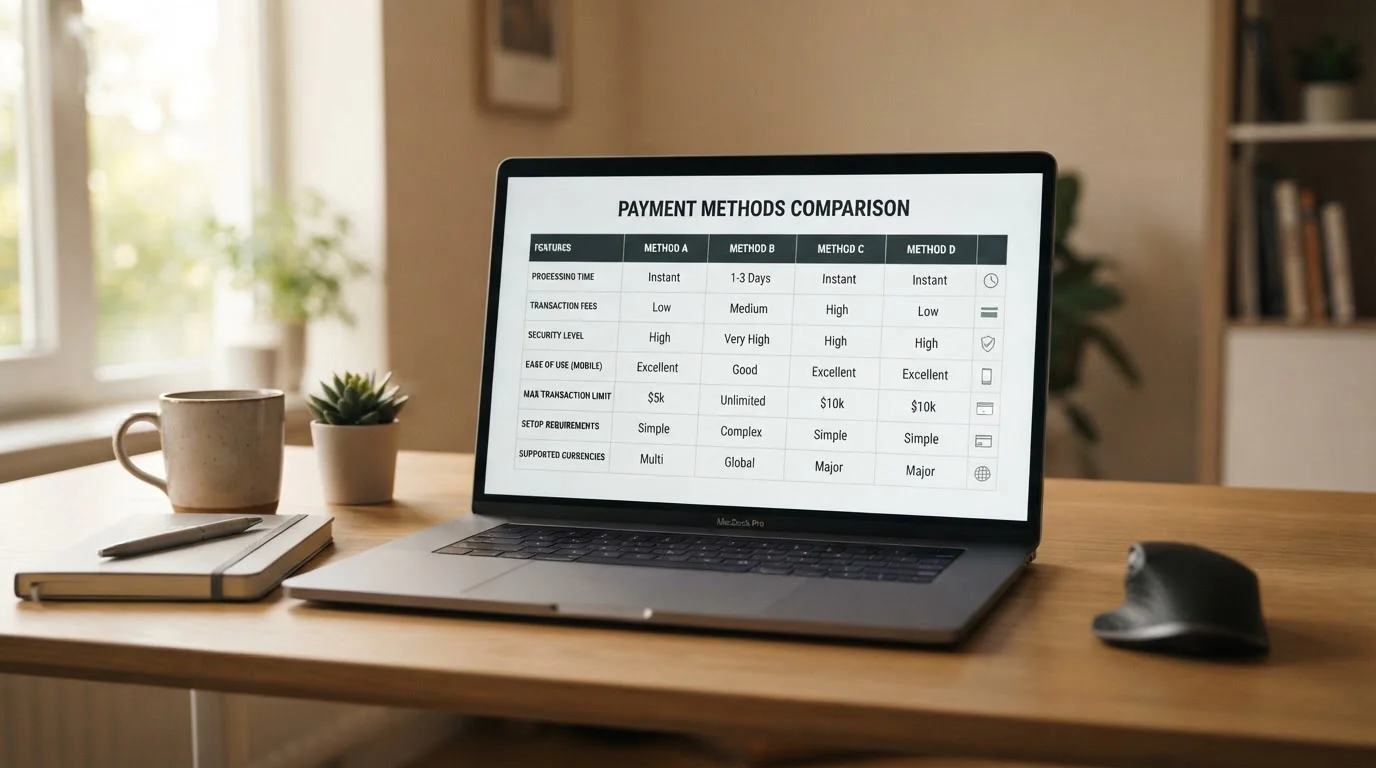
| Payment Method | Deposit Cap | Withdrawal Support | Fee (Deposit / Withdrawal) | Speed | Best For |
|---|---|---|---|---|---|
| Debit Card | No cap | Yes | 0% / 0% | Instant / 1-3 days | General use, no fees |
| Trustly | No cap | Yes | 0% / 0% | Instant / 1-12 hours | Speed, no intermediary |
| PayPal | £20,000 | Yes | 0% / 0% | Instant / 1-2 days | Trust, brand acceptance |
| Neteller | £10,000 | Yes | 0% / 1.5-2% | Instant / 1-2 days | Multi-casino use |
| Skrill | £10,000 | Yes | 0% / 1.5-2% | Instant / 1-2 days | Multi-casino use |
| MuchBetter | £5,000 | Yes | 0% / 0% | Instant / 1-2 days | Mobile-first, biometric |
| Apple Pay | Varies | No | 0% / N/A | Instant | Mobile convenience |
| Bank Transfer | No cap | Yes | 0% / 0% | 1-3 days / 1-3 days | Large deposits |
| Paysafecard | £1,000 | No | 0% / N/A | Instant | Prepaid, anonymity |
| Fonix | £40 | No | 0-15% / N/A | Instant | Same as Boku |
The table assumes typical fee structures at UKGC casinos in 2026. Individual sites may charge higher fees or impose lower caps. Speed estimates reflect the usual range; first withdrawals take longer pending KYC clearance.
Boku Casino Bonuses and Game Access
Carrier-billed deposits qualify for most welcome bonuses, but the processing fee and the deposit cap create edge cases that void eligibility more often than you would expect. A welcome offer requiring a minimum thirty-pound qualifying deposit sounds compatible with Boku’s thirty-pound transaction cap until you deposit thirty pounds at a site charging a fifteen-percent fee. Your credited balance is twenty-five-fifty. The bonus terms check the credited amount, not the requested amount. You do not qualify. The workaround is to deposit thirty-six pounds to clear thirty post-fee, but you just hit a transaction cap that blocks deposits above thirty. The bonus is unreachable via Boku at that site.
Some casinos exclude carrier-billed deposits from welcome offers entirely. The exclusion usually appears in the small print under payment method restrictions, listed alongside Neteller, Skrill, and prepaid cards. The reason is chargeback risk. Carrier-billing disputes route through the mobile network’s customer service, not through the casino’s payment processor, which makes fraudulent chargebacks harder for the operator to contest. Excluding Boku from bonuses reduces the incentive for bonus abusers to fund via phone bill, claim the offer, and then dispute the charge with their network.
Do Boku Deposits Qualify for Welcome Bonuses?
Usually, but check the terms for two exclusions: minimum deposit thresholds that exceed your post-fee credited amount, and payment method restrictions that explicitly exclude carrier billing, Boku, Fonix, or pay-by-mobile deposits. If the offer requires a thirty-pound minimum and your thirty-pound Boku deposit credits twenty-five-fifty after fees, you do not qualify unless the casino counts the pre-fee amount, which most do not.
Which Games You Can Play (and the One Restriction That Matters)
Every game in the casino’s catalogue is accessible after a Boku deposit. Slots, live dealer, table games, jackpots, scratch cards — the deposit method does not restrict your game access. The one exception is bonus wagering contribution rates. If you claim a deposit-linked welcome bonus, the terms will state that slots contribute one hundred percent toward clearing the playthrough, while live casino and jackpot slots contribute zero to ten percent. That restriction applies to all deposit methods, not just Boku, but it matters more for Boku users because the thirty-pound cap limits how much you can deposit to chase a bonus.
A welcome offer giving fifty free spins on a specific slot imposes no game restriction beyond that title. You can play those spins on the designated game, then switch to any other game once the spins are used. Winnings from the spins carry their own wagering requirements, typically thirty-five to forty times the winnings amount, and the same contribution rates apply: slots count fully, live casino and jackpots count minimally or not at all.
The live casino and jackpot contribution rule exists to prevent low-risk bonus clearing. A player depositing thirty pounds with a hundred-percent match and forty-times wagering owes twenty-four hundred pounds of playthrough on the sixty-pound bonus-and-deposit total. Betting that twenty-four hundred on blackjack at near-even odds would guarantee bonus clearance with minimal loss. The zero-percent contribution for live games blocks that strategy, forcing playthrough onto slots where the house edge is higher and the variance protects the casino’s margin. If you want to play live dealer after a Boku deposit, do not claim a deposit bonus — play with your credited balance and skip the wagering requirement entirely.
Mobile and App Play with Boku
Carrier billing is mobile-native by definition. Every site accepting Boku or Fonix deposits is mobile-browser compatible, because the target user is funding from a phone. Most of these casinos do not offer native iOS or Android apps, not because the experience is poor but because Apple and Google prohibit in-app real-money gambling purchases. The App Store and Play Store terms ban apps that facilitate casino deposits directly within the app interface. Casinos can publish apps for game browsing and account management, but the deposit flow redirects to the mobile browser to complete the transaction.
That redirection is why carrier billing happens in the browser even at casinos with apps. You open the casino app, navigate to the cashier, tap deposit, and the app opens a browser window where you enter your mobile number and confirm via SMS. The deposit completes in the browser, the app refreshes your balance, and you return to playing. The extra hop between app and browser is an App Store and Play Store compliance requirement, not a Boku limitation.
The browser-based flow is smoother than it sounds. Modern mobile browsers on iOS and Android autofill your mobile number if you have granted permissions, and SMS confirmation codes auto-populate in notification banners, so the entire deposit takes three taps and zero typing. The experience is faster than entering a sixteen-digit card number and CVV on a small screen, which is why carrier billing built its early user base among mobile-first players who found card entry too friction-heavy.
Screen size and data usage are the two mobile-specific considerations. The casinos in this list — Monster, Ivy, Duelz, Spinzwin — are built for small screens, with touch-optimised buttons and layouts that do not require zooming or horizontal scrolling. Data usage during play depends on whether you are spinning slots or streaming live dealer games. Slots use minimal data, typically under ten megabytes per hour. Live casino streams video, which can burn through two hundred megabytes per hour on high-quality settings. If you are depositing via carrier billing because you are on a prepaid data plan, be cautious with live dealer play — the data costs can exceed the deposit fees.
New Boku Casinos and When to Expect More
The pipeline of new UKGC casino launches in 2026 does not favour carrier billing. Most new operators launch with debit cards, PayPal, and one or two e-wallets as their initial payment stack, then evaluate whether to add carrier billing based on early user demographics and transaction data. The integration cost and ongoing processor fees make carrier billing unattractive for operators targeting higher-value players, which is most new launches. The method gets added later, if at all, and usually only at mobile-first brands where the transaction cap aligns with the core user base.
The brands listed earlier in this guide are the stable cohort. ProgressPlay adds new white-labels regularly — their portfolio scales by templating infrastructure across dozens of sites — but those new brands rarely differentiate on payment methods. A ProgressPlay white-label launched in October 2026 will accept the same deposit methods as one launched in 2024, because the cashier is network-standard. Betable operates six brands and has not expanded that count in several years. Grace Media partners with various licensees but does not launch carrier-billing-exclusive brands.
"New Boku casinos" as a search term returns two types of results: genuinely new UKGC licensees that happen to accept carrier billing, which is rare, and newly launched white-label brands within existing networks that have always accepted it, which is common. A ProgressPlay site going live this month is new in branding but not new in infrastructure. The payment rails, the game catalogue, the compliance processes — all inherited from the network. If you are searching for new Boku casinos expecting novel features or better terms, the reality is incremental: the newest site in the ProgressPlay or Betable portfolio offers the same carrier-billing mechanics as the oldest, with minor variance in welcome bonuses and visual themes.
The market for carrier billing in UK gambling is not growing. The method’s share of total casino deposits has declined year-over-year since 2020 as operators dropped support and users shifted to faster, cheaper alternatives. Fonix taking over from Boku as the dominant rail stabilised the decline but did not reverse it. Expect the current list of ten to fifteen active sites to remain stable rather than expand. New entrants to the UK market are likelier to launch with Open Banking integrations or crypto support than to prioritise a payment method whose peak adoption was five years ago.
GAMSTOP, Offshore "Boku Casinos," and What You’re Losing
A large subset of search results for Boku casinos in the UK surface offshore sites advertising themselves as GAMSTOP-free, no-KYC, or licensed in Curacao instead of by the UKGC. These sites rank for Boku search terms because they target the same query set: players looking for phone bill deposits who are either unaware of the licensing distinction or are actively trying to bypass UK self-exclusion. The offshore operators are not accidents in the search results. They are there by design, paying for marketing and ads to capture users who search for a payment method and do not check the licence.
Why Offshore Casinos Rank for "Boku Casino UK"
Offshore operators target both the method and the geography — "Boku casino UK," "pay by mobile casino UK," "phone bill deposit UK" — without limiting results to UKGC-licensed sites. The approach works because most players searching for a payment method do not append "UKGC" or "licensed" to their query. They search for Boku, find a site that accepts it, and deposit without checking whether the site holds a UK licence. The offshore operators rely on that gap between method-awareness and licence-awareness.
Some offshore casinos do accept carrier billing, often through the same Fonix or PayViaPhone rails that power UKGC sites, because the payment processors operate internationally and do not restrict service to UK-licensed operators. The presence of a familiar payment method — Boku, Fonix, or even PayPal at some offshore sites — creates a false legitimacy signal. The method works, the deposit clears, and the player assumes the site is legal because the transaction succeeded. Payment-method acceptance and regulatory compliance are unrelated variables, but users conflate them.
What Protection You Lose Without a UKGC Licence
UKGC licensees must segregate player funds from operating capital. If the casino goes insolvent, your balance is protected in a separate account and returned to you through the insolvency process. Offshore casinos have no such requirement. Your deposit is operating cash, and if the site folds or the operator disappears, your balance vanishes with it.
Dispute resolution at UKGC casinos routes through IBAS or another UKGC-approved alternative dispute resolution provider. If you have a complaint the casino will not resolve, you escalate to the ADR provider, who investigates and issues a binding decision. Offshore casinos either have no ADR process or list a provider that is not enforceable in the UK. If an offshore site voids your winnings or refuses a withdrawal, you have no regulatory recourse. The only option is contacting the Curacao licensing authority, which rarely intervenes in individual player disputes, or pursuing civil action in the site’s jurisdiction, which costs more than any realistic casino dispute is worth.
Responsible gambling tools at UKGC sites are mandatory: deposit limits, loss limits, session time limits, self-exclusion, and reality checks. Offshore casinos offer these tools inconsistently or not at all, because no regulator compels them to. If you set a deposit limit at an offshore site, the limit is a voluntary feature the operator can override or ignore. At a UKGC site, the limit is a licence condition, and breaching it is an enforcement trigger.
AML and KYC processes at UKGC sites follow strict standards. The casino must verify your identity, check your source of funds, and report suspicious activity to the National Crime Agency. Offshore casinos market "no verification" as a selling point, which means they do not check who you are or where your money came from. That sounds convenient until you realise the same lack of verification applies to everyone else at the site, including money launderers and fraudsters using stolen cards.
Can You Undo GAMSTOP by Switching Sites?
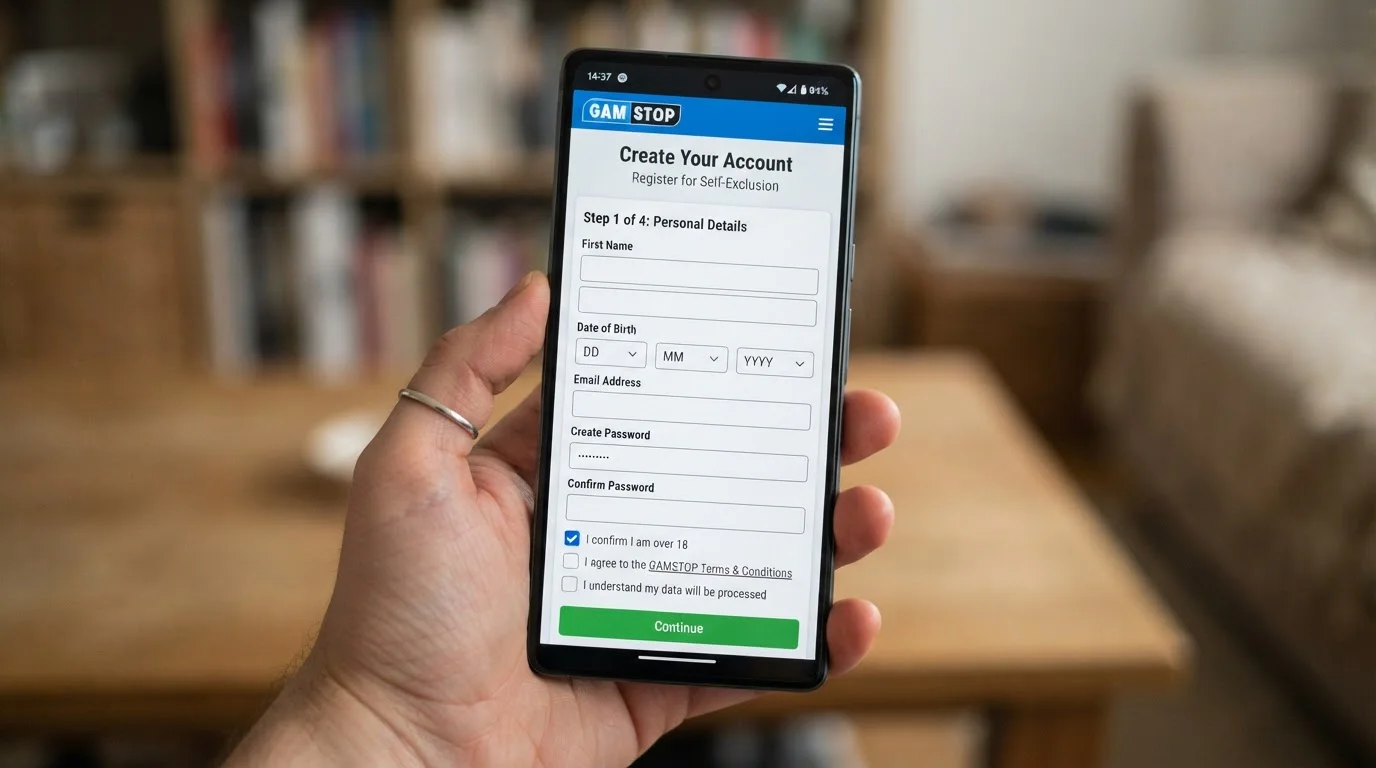
No. GAMSTOP is a commitment, not a per-site toggle. When you self-exclude via GAMSTOP, you are stating an intention to stop gambling for the chosen period — six months, one year, or five years. That exclusion applies to every UKGC-licensed site and app. Registering at an offshore casino after self-excluding via GAMSTOP does not undo the exclusion; it circumvents the enforcement mechanism while the underlying commitment remains active.
The offshore casinos marketing themselves as "GAMSTOP-free" are not offering a legitimate alternative. They are exploiting a regulatory gap: GAMSTOP blocks access to UKGC sites but has no jurisdiction over offshore operators, so a self-excluded player can still register at a Curacao-licensed casino. The exclusion period does not end early because you found a site that is not in the GAMSTOP network. You are still self-excluded from UK-licensed gambling. The offshore site is operating outside UK regulation, which is why it can accept your registration, not because your exclusion was lifted.
If you self-excluded because gambling was causing you harm, switching to an offshore site places you at greater risk. The responsible gambling tools that might help you limit losses are absent or unenforced. The dispute resolution process that might recover wrongly voided winnings does not exist. The fund segregation that protects your balance if the site folds is not mandated. You traded the protections of UK regulation for the convenience of depositing via phone bill at a site that will take your money without checking whether doing so is legal or ethical.
Crypto and Bitcoin: Do Any Boku Casinos Support It?
No UKGC-licensed operator in 2026 combines carrier billing with cryptocurrency funding. The two payment categories serve opposite user profiles and regulatory constraints. Carrier billing targets mobile-first, small-stakes players who value convenience over anonymity. Crypto targets users prioritising privacy, speed, and control over funds. A casino that accepts both is theoretically possible but does not exist in the UK licensed market.
The regulatory reason is simpler: UKGC licensees must follow strict KYC and AML processes, which require tracing the source of deposits. Crypto transactions are harder to trace than carrier-billed transactions, which creates compliance friction. Operators that accept crypto tend to be offshore or licensed in jurisdictions with lighter AML enforcement. UKGC licensees that accept crypto are rare, and the few that do are high-end operators with sophisticated compliance teams. None of those operators accept carrier billing, because carrier billing is a low-value, high-volume method that does not fit their user base.
If you are searching for a casino that accepts both Boku and Bitcoin, you are searching for a product gap that no licensed operator has filled. The sites that claim to accept both are offshore, unlicensed in the UK, and carry all the risks outlined in the GAMSTOP section above.
Accounts, Registration, and No-Verification Claims
UK licensing requires age and identity verification before a real-money deposit clears or at the point of first withdrawal, whichever comes first. A casino claiming to accept Boku deposits with "no account required" or "no verification" is either offshore and unlicensed, or is misleading you about when the verification happens. UKGC licensees can offer instant-play demos without registration, but the moment you deposit real money, you create an account, and that account is subject to KYC checks.
The carrier-billing flow itself does not verify your identity for UKGC purposes. Confirming a deposit via SMS proves you control a UK mobile number, not that you are over eighteen or that you are who you claim to be. The casino still needs to verify your age, name, and address before processing a withdrawal, which means a Boku-only depositor who wins and tries to cash out will hit the verification gate at that point. The no-verification window is the period between your first deposit and your first withdrawal or two-thousand-pound cumulative deposit, not a permanent state.
Offshore casinos market no-verification as a feature. UKGC casinos are prohibited from doing so. If a site advertises Boku deposits with no KYC, check the licence. If it is not UKGC, the site is not operating legally for UK players.
How This List Was Checked
Every casino in the named list was verified against the UKGC public register by domain search in September 2026. The verification process searched each site’s domain in the register’s business search tool, confirmed the licensee name and account number, checked that the licence status was Active, verified that the licence type included Remote Casino Operating Licence, and reviewed enforcement history for fines or sanctions within the last two years.
Casinos where the domain search returned no result, returned a non-active licence status, or returned a licence that did not include remote casino authorisation were excluded from the list. InTouch Games Limited brands — mFortune, PocketWin, Cashmo, Mr Spin, Jammy Monkey — were explicitly excluded following the September 2023 licence suspension and October 2024 site closure, even though those brands still appear in competitor lists that have not updated since the enforcement action.
Pay-by-mobile availability was confirmed through live cashier checks where possible and cross-referenced against competitor reviews published in 2026. Processing fees were included only where publicly disclosed by the operator, stated in reviewer testing, or confirmed through multiple independent sources. Where fee data was unavailable, the table lists "Not disclosed" rather than guessing or averaging across other sites.
Licensee enforcement history was pulled from the UKGC’s public enforcement actions page and cross-referenced with the individual licensee records. ProgressPlay’s million-pound fine in August 2025 is a matter of public record, as is Betable’s clean enforcement history. That data is factual and verifiable by anyone reading this guide.
Pay-by-mobile acceptance can change without customer-facing announcements. A casino may drop carrier billing from its cashier, add it back months later, or switch processors from Boku to Fonix with no press release. The list in this guide reflects availability as of September 2026. If you are reading this months later, verify that the payment option still appears in the cashier before assuming it works. The UKGC licence status is more stable than payment-method acceptance — a licence suspension is public and immediate — but even licence status can change, so the recommendation remains: check the register yourself before depositing.
Why Did Big UK Casinos Like bet365 and Sky Vegas Stop Accepting Boku?
Processing fees, regulatory caps, and compliance friction converged to make carrier billing uneconomical for operators targeting higher-value players. Carrier billing costs the operator fifteen to twenty percent per transaction in processor fees, network charges, and chargeback risk. Debit cards cost one to three percent. That twelve-to-seventeen-point spread is sustainable for a casino where the average deposit is ten to thirty pounds, because the absolute cost per transaction is low. It is unsustainable for a casino where the average deposit is one hundred to five hundred pounds, because the per-transaction cost exceeds the margin on the first few spins.
The PSA’s forty-pound cap and two-hundred-forty-pound monthly limit make carrier billing a dead-end for customer lifetime value. A player who deposits forty pounds once and never returns is a break-even or losing customer after marketing acquisition cost. A player who deposits five hundred pounds per month over two years is profitable. Carrier billing caps the upside at two-forty per month, which is below the threshold where retention investment pays off for most operators. The big brands exited the method because their business model requires higher-value, longer-tenure customers than carrier billing can deliver under current regulation.
Affordability checks introduced by the UKGC between 2024 and 2026 require operators to monitor cumulative deposits and intervene when spending patterns suggest financial harm. Real-time tracking is straightforward for debit cards, which debit immediately and show up in bank statements. Carrier billing charges the phone bill at month-end for contract customers, creating a visibility gap between when the player deposits and when the cost hits their bank account. That delayed visibility complicates compliance with affordability rules, which require operators to flag and investigate high spending in near-real time. Rather than build dual-track monitoring systems, large operators consolidated around payment methods that fit the real-time model.
Do Boku Casino Deposits Count Towards Welcome Bonuses?
Usually, but read the bonus terms for two exclusions. First, check the minimum deposit threshold. If the offer requires a thirty-pound qualifying deposit and your thirty-pound Boku deposit credits twenty-five-fifty after a fifteen-percent fee, you do not qualify unless the casino calculates eligibility on the pre-fee amount, which most do not. Second, check the payment-method exclusions. Some bonuses exclude deposits made via Boku, Fonix, pay-by-mobile, Neteller, Skrill, or prepaid cards to prevent bonus abuse. If carrier billing appears in the exclusion list, the bonus does not activate even if your deposit meets the amount threshold.
Published by the Payments-casino-uk team.